Bible Questions and Answers
by United Church of God
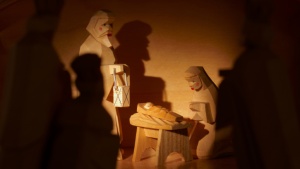
History shows that December 25 was popularized as the date for Christmas, not because Christ was born on that day, but because it was already popular in pagan religious celebrations as the birthday of the sun. But could December 25 be the...
by Jerold Aust
Easter is the most important holiday for hundreds of millions of believers around the world. Yet thousands of Christians don’t observe it. Do they know something that others don’t?
by Beyond Today Editor
Have you ever considered what a strange holiday Easter is? People pretend that rabbits can lay colorful eggs and then hide them for children to find. Where did such bizarre customs come from? How did they come to be associated with Jesus’...
by Mario Seiglie
Exactly how did Easter—a holiday not found in the Bible and never celebrated in the early Church—come to replace the Passover, an observance that is plainly found in the Bible?
by Jerold Aust
Easter is the most important holiday for hundreds of millions of believers around the world. Yet thousands of Christians don't observe it. Do they know something that others don't?
by Gary Petty
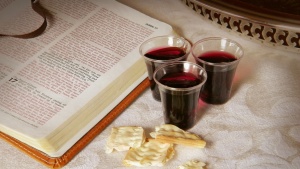
Most professing Christians see the Passover as an aspect of the Old Covenant that is unnecessary for New Covenant Christians. But Jesus instituted a new administration of the Passover service for His followers that has deep meaning for us...
Bible Questions and Answers
Is there a clear teaching?
by Larry Walker
Easter, the highlight of the religious calendar for most Christian churches, is now upon us again. For the Jewish community, this is also the Passover season. Most of us have probably noticed that Easter and Passover fall during the same...
by Jerold Aust
Many believe that God's endorsement of Passover ended with Christ's death—and that He has since replaced it with the observance of Easter as a celebration of Christ's resurrection. But is that so?
by Jerold Aust
Millions assume that Easter, one of the world's major religious holidays, is found in the Bible. But is it? Have you ever looked into Easter's origins and customs and compared them with the Bible?
Bible Questions and Answers
by United Church of God
Most Christians today don't observe the seven festivals God calls "My feasts" (Leviticus 23:2). Here is how the United Church of God celebrates these meaningful festivals today
by Larry Walker
The apostle Paul is considered by many as the originator of a theology that allegedly freed Christianity from the Sabbath, Holy Days and the law. Is this what the scriptural record indicates?
by Scott Ashley
It’s that time of year again! You’ll soon be barraged by the sights, sounds and smells of Christmas. Shoppers will soon go into spending overdrive, and when the bills arrive, some will wonder if it’s really worth it. Here’s a perspective...
by Tom Robinson
How can someone be Christian and not celebrate Jesus’ resurrection? This is a common question facing followers of Jesus Christ who do not observe Easter—one that certainly deserves an answer.
by Beyond Today Editor
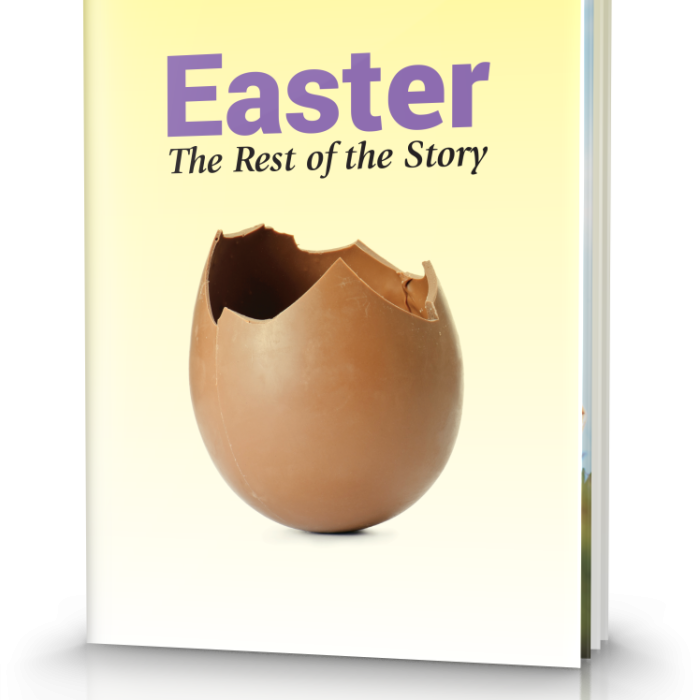
What do colored Easter eggs, rabbits and sunrise services have to do with Jesus Christ?