Few people have the courage to face the facts (all so easily substantiated) about the traditional holidays of Christianity, let alone to cease observing them in favor of God's appointed Holy Days. For those who are willing to learn and willing to change, the Bible offers annually an exciting and enlightening Holy Day journey.
This is definitely not my favorite time of year. The weather is cold. In my part of the world Daylight Savings Time is over and the days are short. That means less light and more darkness.
For these reasons, most people living in my climate zone would agree that late spring, summer and early fall are the nicest times of the year. But I have another, more important reason for preferring these seasons over late fall, winter and early spring.
I observe seven annual Holy Days that fall during these times of year, beginning with Passover in spring and ending with the Feast of Tabernacles in the early fall. These days, that God first gave to Old Testament Israel, that continued to be observed by Jesus, the apostles and the early church and are kept by many Christians to this day, teach valuable spiritual truths in the plan of God (Colossians 2:16-17 [16] Let no man therefore judge you in meat, or in drink, or in respect of an holyday, or of the new moon, or of the sabbath days:
[17] Which are a shadow of things to come; but the body is of Christ.
See All...).
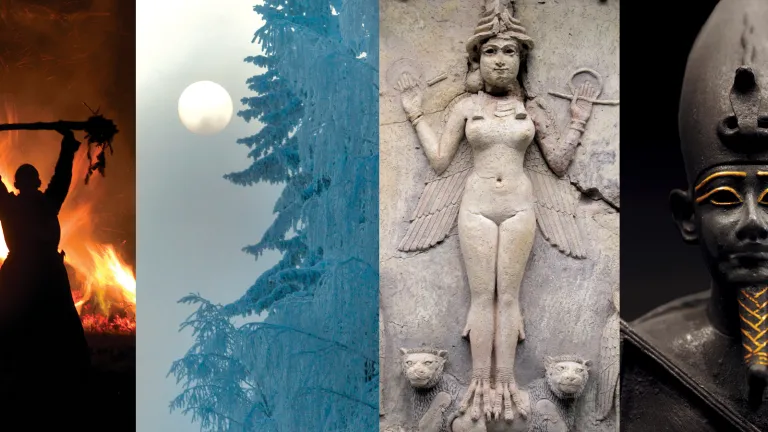
These Holy Days are over for another year. Before the Holy Day season begins again in the spring, the traditional Christian holidays (Halloween, Thanksgiving, Christmas, New Year's Day, Valentine's Day and Easter) begin, and will continue throughout late fall, winter and early spring. With the exception of Thanksgiving, all of them have one thing in common—they all have pagan origins. Despite the alleged Christian significance and meanings commonly attached to the customs connected with these days, they have no biblical foundation.
On the contrary, God commanded ancient Israel not to copy or borrow the religious customs of other nations to worship Him because of their pagan connection with idolatrous abominable practices, including human sacrifice (Deuteronomy 12:29-32 [29] When the LORD thy God shall cut off the nations from before thee, whither thou goest to possess them, and thou succeedest them, and dwellest in their land;
[30] Take heed to thyself that thou be not snared by following them, after that they be destroyed from before thee; and that thou enquire not after their gods, saying, How did these nations serve their gods? even so will I do likewise.
[31] Thou shalt not do so unto the LORD thy God: for every abomination to the LORD, which he hateth, have they done unto their gods; for even their sons and their daughters they have burnt in the fire to their gods.
[32] What thing soever I command you, observe to do it: thou shalt not add thereto, nor diminish from it.
See All...). God thunders out, "You shall not worship the LORD your God in that way; for every abomination to the LORD which He hates they have done to their gods; for they burn even their sons and daughters in the fire to their gods" (verse 31).
Reading this passage, it is obvious that God is not pleased with the practice of borrowing pagan, manmade customs and traditions in a misguided attempt to worship Him. Jesus also makes this clear in Matthew 15:9But in vain they do worship me, teaching for doctrines the commandments of men.
See All..., "And in vain they worship Me, teaching as doctrines the commandments of men."
In addition to their pagan background, these customs fail to teach the vital truths that God wants us to learn. Halloween makes light of Satan the devil and makes practices of the occult seem like fun.
Also, God nowhere instructs us to celebrate the birth of Christ. Furthermore, He was born in the fall, during the time of the fall festivals of the Bible when it was still warm enough for sheep graze in the fields, not on December 25.
New Year's customs also were borrowed from paganism and teach nothing about God. In fact God's calendar, as designated in the Scriptures, begins the year in the spring, not the dead of winter (Exodus 12:1-2 [1] And the Lord spake unto Moses and Aaron in the land of Egypt, saying,
[2] This month shall be unto you the beginning of months: it shall be the first month of the year to you.
See All...).
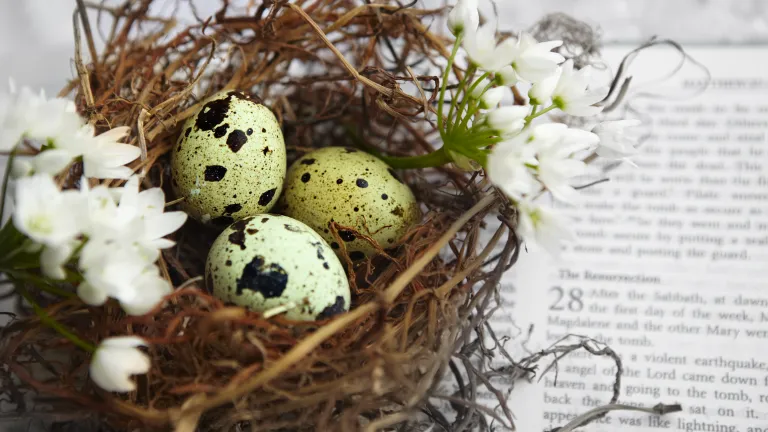
Valentine's Day can be traced back to an ancient Roman fertility religion on February 14th to honor Juno Fructifier, the goddess of marriage, the queen of the Roman gods and goddesses. Rabbits and eggs were common symbols of pagan fertility cults and teach nothing about the exciting truths of the plan of God.
It is interesting to note that these holidays have something else in common. They all fall during the time of year when, in the northern hemisphere where God's Holy Days were first introduced, the days are short and often cold, dark and dreary.
God chose the best times of the year for His Holy Days and Festivals (Leviticus 23)—the seasons when the days are long and the weather is warm and pleasant. Could it be that He wants us to conclude that His Holy Days compared to the traditional Christian holidays and their pagan counterparts are as different as day and night?
Few people have the courage to face the facts (all so easily substantiated) about the traditional holidays of Christianity, let alone to cease observing them in favor of God's appointed Holy Days. For those who are willing to learn and willing to change, the Bible offers annually an exciting and enlightening Holy Day journey.
For more fascinating information on this important subject I encourage you to request, read online or download our free, enlightening booklet: Holidays or Holy Days: Does It Matter Which Days We Keep?
Nobody has commented yet. Be the first to kick off the discussion!