The BibleThe books (Greek, "biblia" ) that are acknowledged as canonical (authoritative) by the early Christian Church. It includes both the books of the ancient Hebrew prophets and those of the apostolic witnesses to Jesus Christ. is consistent and plain in its teaching that salvation is a gift from God. But, even though it is a gift, something we cannot earn, we are expected to obey God if we are to receive that gift.
Martin Luther, founder of the Protestant Reformation, referred to the book of James as an "epistle of straw." Frustrated by religious leaders who claimed this book supported their mistaken ideas that people could buy their salvation through monetary gifts to the church, Luther uttered his ill-advised phrase. Consumed in the debate, he went beyond a proper understanding of the ScripturesThe divinely inspired writings of both the Old and New Testaments. The term Scripture is used in the New Testament to refer to both the Hebrew Bible (Luke 24:44-45) and the new apostolic writings accepted as inspired (2 Peter 3:16; 1 Timothy 5:18). and dismissed James's statements that works are a necessary evidence of faith.
Many people today misapply Luther's words, not understanding the circumstances behind them. Martin Luther's life was one of dedication and chaste behavior. But his zealous words and arguments are sometimes taken out of historical context to excuse undisciplined lifestyles.
Jesus Christ expects actions—works—from us: "Not everyone who says to Me, 'Lord, Lord,' shall enter the kingdom of heaven, but he who does the will of My Father in heaven" (Matthew 7:21Not every one that saith unto me, Lord, Lord, shall enter into the kingdom of heaven; but he that doeth the will of my Father which is in heaven.
See All...).
At the same time Jesus is also described as our merciful High Priest (Hebrews 2:17Wherefore in all things it behoved him to be made like unto his brethren, that he might be a merciful and faithful high priest in things pertaining to God, to make reconciliation for the sins of the people.
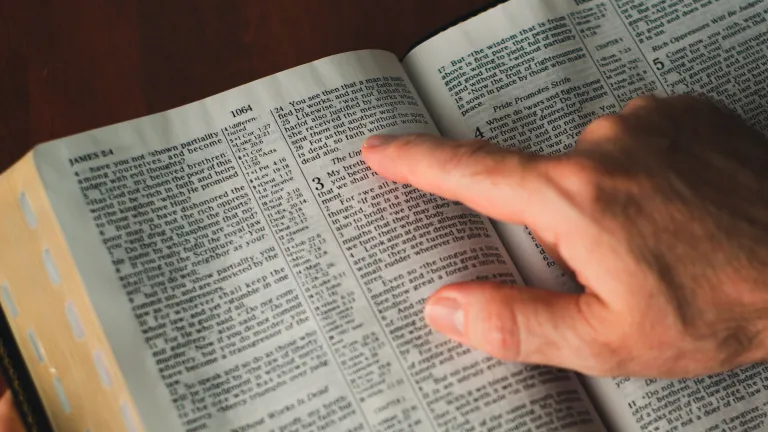
See All...). Works and grace go together. James, a younger half brother of Jesus, wrote his epistle in harmony with Jesus' teachings and instructions. He not only wrote about works (James 2:14-26 [14] What doth it profit, my brethren, though a man say he hath faith, and have not works? can faith save him?
[15] If a brother or sister be naked, and destitute of daily food,
[16] And one of you say unto them, Depart in peace, be ye warmed and filled; notwithstanding ye give them not those things which are needful to the body; what doth it profit?
[17] Even so faith, if it hath not works, is dead, being alone.
[18] Yea, a man may say, Thou hast faith, and I have works: shew me thy faith without thy works, and I will shew thee my faith by my works.
[19] Thou believest that there is one God; thou doest well: the devils also believe, and tremble.
[20] But wilt thou know, O vain man, that faith without works is dead?
[21] Was not Abraham our father justified by works, when he had offered Isaac his son upon the altar?
[22] Seest thou how faith wrought with his works, and by works was faith made perfect?
[23] And the scripture was fulfilled which saith, Abraham believed God, and it was imputed unto him for righteousness: and he was called the Friend of God.
[24] Ye see then how that by works a man is justified, and not by faith only.
[25] Likewise also was not Rahab the harlot justified by works, when she had received the messengers, and had sent them out another way?
[26] For as the body without the spirit is dead, so faith without works is dead also.
See All...) but addressed grace (James 4:6But he giveth more grace. Wherefore he saith, God resisteth the proud, but giveth grace unto the humble.
See All...) and Christ's "compassionate and merciful" nature (James 5:11Behold, we count them happy which endure. Ye have heard of the patience of Job, and have seen the end of the Lord; that the Lord is very pitiful, and of tender mercy.
See All...).
The BibleThe books (Greek, "biblia" ) that are acknowledged as canonical (authoritative) by the early Christian Church. It includes both the books of the ancient Hebrew prophets and those of the apostolic witnesses to Jesus Christ. is consistent and plain in its teaching that salvation is a gift from God. But, even though it is a gift, something we cannot earn, we are expected to obey God if we are to receive that gift.
Paul wrote, "For it is by grace you have been saved, through faith," and we are "created in Christ Jesus to do good works" (Ephesians 2:8For by grace are ye saved through faith; and that not of yourselves: it is the gift of God:
See All..., New International Version). James summarized this concept simply and concisely, telling us that "faith without works is dead" (James 2:20But wilt thou know, O vain man, that faith without works is dead?
See All...).
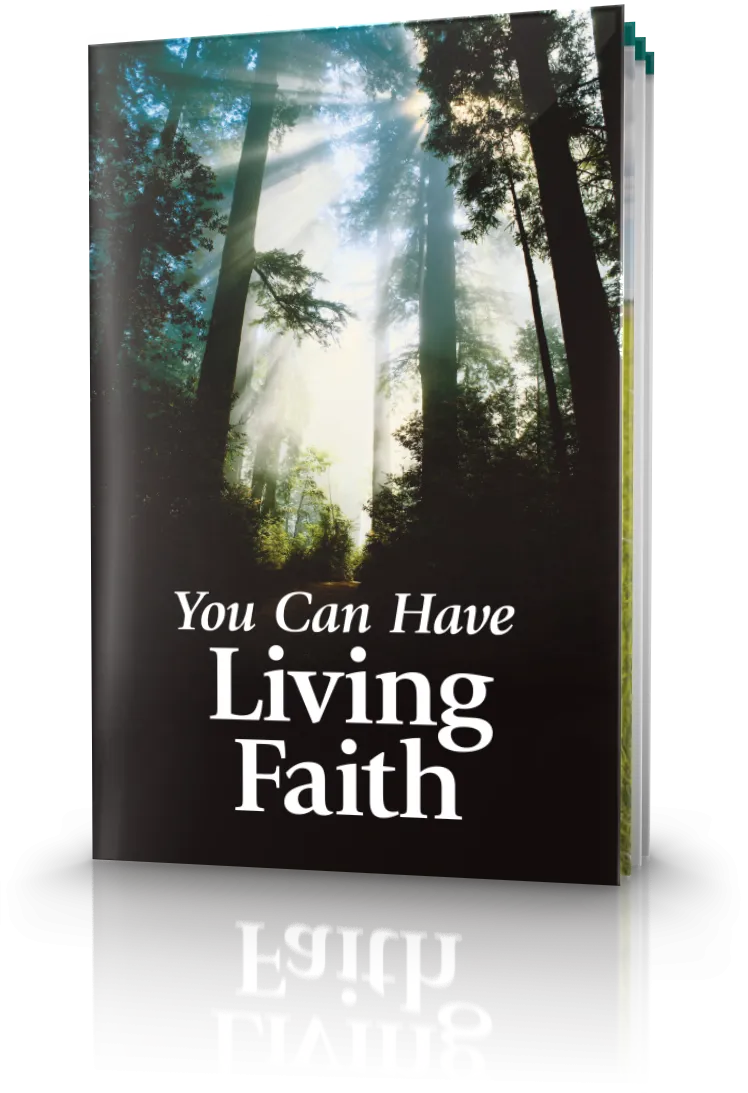
Our world is experiencing a crisis of faith. Few people place much faith in the future. Many have no faith their marriages will survive, that political leaders will honorably serve their country or that education will prepare them adequately for the challenges ahead. Faced with the difficulties of everyday life, many people simply have no confidence that there will be a better tomorrow.
Download all 34 booklets to your computer or mobile device. Choose from the following formats:
Download PDF format - (29MB .zip file)
Download ePUB format - (14MB .zip file)
Download Mobi format - (20MB .zip file)
About the ebook formats...
The ePUB booklets can be read on several types of ebook readers and tablets, including the Apple iPad (iPhone & iPod Touch) Barnes & Nobles Nook (Nook Color), Samsung Galaxy Tab (using Kobo) and Sony Reader.
The Mobi booklets can be read on e-readers and mobile devices (phones), including the Amazon Kindle , Cybook, iRex Digital Reader, iLiad, Hanlin and BeBook. Download the Mobipocket Reader for mobile phones (Blackberry, Windows Mobile, Symbian & Palm operating systems).
Ebook FAQ Help...
Ebooks available for Barnes & Noble Nook or Amazon Kindle