How Credible Is Christianity Today?
Christianity is no longer accorded the level of trust and credibility it once held in Western civilization. The unpersuaded see it as having few positive distinctions from all other religions.
Whether Christian, Buddhist, Shinto, Islamic, Hindu, etc. (a choice of hundreds of major religious groups and thousands of minor ones are available) most religions seem to have one thing in common. In their ranks one can find a core of people dedicated to doing good things for others. In this regard, Christianity is not unique.
But there is also the negative side of Christianity. Corruption and scandals undermine its credibility just as they do other religions. Numerous books chronicle the rancorous and sometime scandalous disagreements that have divided Christianity. Other books detail the sins committed by some of its leading figures. And from the news media we hear or read almost daily about some current corruption that is plaguing its ranks.
How much confidence can we have in the validity of this religion in light of its troubled history? Consider these relevant facts.
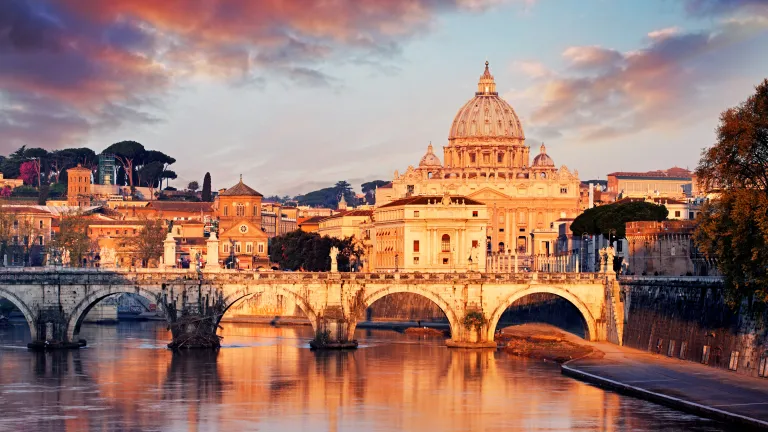
Shortly after all of the apostles' writings were completed and added to the Bible (near the end of the first century) Christianity began experiencing internal controversies. The debates and doctrinal modifications that followed led to significant diversity in its teachings. By the fourth century, after it had transformed its teachings sufficiently to be accepted in the Roman Empire's social and political structure, it became the state religion.
This expanded the power of the church in Rome dramatically. In a short while the church was dominating the state. It justified its newly found status with the doctrine of two swords—the church (the spiritual sword) claimed superiority over the state (the secular sword).
By the early part of the sixteenth century a considerable number of people in Europe began to challenge the moral laxity and other abuses approved or allowed by the ecclesiastical hierarchy in Rome. These "protesters" were labeled as heretics. The root of this word means a choice— signifying that these people had made an open choice to no longer trust or accept the beliefs of the church hierarchy. State sponsored Christianity was thrown into a crisis.
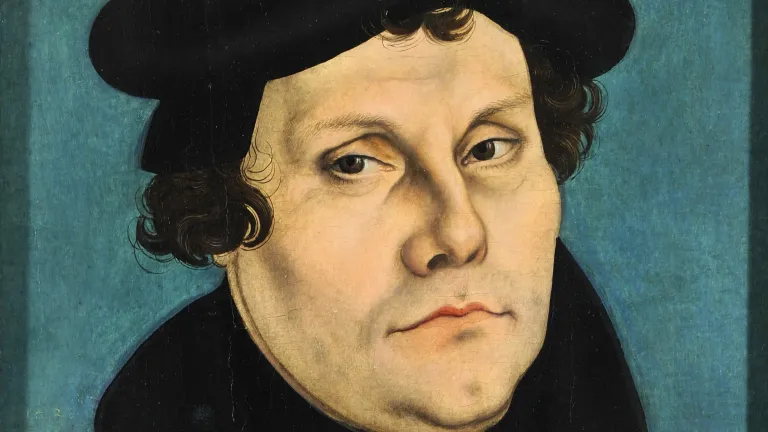
When Rodrigo Borgia ascended to the office of Pope—as Pope Alexander VI—Martin Luther was only 9 years old. Luther later became the pivotal leader of the "Protestors"—later called Protestants—who were attempting to reform Christianity through the movement now known as the Protestant Reformation.
But instead of those reforms uniting the Christian religion, scores of splits occurred in the years that followed. Hundreds of "Christian" denominations sprang up. Amid this diversity each denomination has experienced enormous difficulty in living up to its own tenets and teachings.
Within the greater body of Christianity its shortcomings and divisions are played down for seemingly two reasons. Denominations quickly recognized that their membership would probably drop drastically if they insisted that everyone associated with them had to pledge full compliance with all of their tenets. Their second choice, the one most settled for, was that a few good deeds are better than none at all. They accepted the reality that only a minority—often a small minority—of their members would actually practice sincerely all they teach.
Current surveys of the practices of those who claim to be Christians indicate that they often vary greatly from the tenets of the denomination to which they belong. And they differ even more with the teachings of the Bible. These surveys indicate that most of today's professing Christians believe that truth is relative and that they can trust their own feelings and opinions more than the teaching they hear preached.
Christianity is a religion at odds with itself. Within it are many sincere, well meaning people who do the best they know how to do in living a decent life that includes loving and serving others. But when the history of Christianity is examined honestly, much is to be desired of the example and commitment of the vast majority of its members—and often of its leaders. It is little wonder that so many doubt its credibility.
This brings us to a crucial question. What were Jesus Christ's expectations for those who would make up that body of people—that Church—that He promised to build? His promise was, "... I will build My church, and the gates of Hades shall not prevail against it" Matthew 16:18). He also promised, "Therefore by their fruits you will know them" (Matthew 7:20). Are the fruits of Christianity today all that Jesus had in mind?