World News and Trends: Papal trip prepares ground for next papacy
John Paul II is fully aware that he is 80 years old and infirm. He also knows that his present actions will help shape and undergird the Vatican's policies for the next papal government. He has never been one to shirk what he considers to be his responsibilities.
Frequently on the move throughout his pontifical reign (with some 100 major tours to date), this pope's most recent trip began in Greece and was followed by an excursion into Syria, ending in congenial Roman-Catholic Malta. The theme of this April-May journey was reconciliation, the attempted healing of bitter wounds reaching far into the past.
John Paul II was the first pope to visit Athens since 1054, when the Catholic Church divided into its Eastern and Western wings. Since some ultraorthodox Greeks view the pontiff as a heretic, 5,000 police were on hand to prevent trouble. The pope sought to heal a bitter rift between Roman Catholics and the Greek Orthodox Church. When he concluded his address, the Greek clergy burst into applause. But one Greek abbot downplayed the pope's actions: "He is doing this because he wants the Orthodox Church to recognize him."
In one sense the pope's Syrian excursion was even more ambitious. He sought to mend fences with the Muslim world and influence the tattered Middle Eastern peace process. The pontiff became the first pope ever to enter a mosque as well as the first to visit Syria.
After some inflammatory remarks against Israel by President Bashar Assad of Syria, John Paul II said: "Real peace can only be achieved if there is a new attitude of understanding and respect between the followers of three Abrahamic religions [Christianity, Judaism and Islam]."
He followed by preaching from the rubble of a Golan Heights area that Syria uses as a symbol of the supposed brutality of Israel. In effect the Pope also called for Israel to abide by UN resolutions urging its withdrawal to the pre-1967-war borders, which would include Israeli abandonment of the Golan Heights—a monumental step backwards in terms of the country's security.
Presumably his papal successor will most likely seek to carry out John Paul's wishes in this arena. If you would like to understand the biblical background of these highly significant events, please write for our free booklet The Book of Revelation Unveiled. (Sources: The Sunday Times, The Sunday Telegraph, Daily Mail [all London], USA Today, The Cincinnati Enquirer.)

An Article from:
Good News Magazine: July - August 2001
Course Content

John Ross Schroeder
John died on March 8, 2014, in Oxford, England, four days after suffering cardiac arrest while returning home from a press event in London. John was 77 and still going strong.
Some of John's work for The Good News appeared under his byline, but much didn't. He wrote more than a thousand articles over the years, but also wrote the Questions and Answers section of the magazine, compiled our Letters From Our Readers, and wrote many of the items in the Current Events and Trends section. He also contributed greatly to a number of our study guides and Bible Study Course lessons. His writing has touched the lives of literally millions of people over the years.
John traveled widely over the years as an accredited journalist, especially in Europe. His knowledge of European and Middle East history added a great deal to his articles on history and Bible prophecy.
In his later years he also pastored congregations in Northern Ireland and East Sussex, and that experience added another dimension to his writing. He and his wife Jan were an effective team in our British Isles office near their home.
John was a humble servant who dedicated his life to sharing the gospel—the good news—of Jesus Christ and the Kingdom of God to all the world, and his work was known to readers in nearly every country of the world.
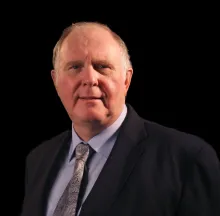
Melvin Rhodes
Melvin Rhodes is a member of the United Church of God congregation in Lansing, Michigan.

