

Steve Shafer
This transcript was generated by AI and may contain errors. It is provided to assist those who may not be able to listen to the message.
Well, we are in a new year. We're in 2012 already. Last time I saw you was last year, but now we're entering another year. I'm all asking, what will this year bring? Not sure what it's going to bring for our country and for the world. But it's all going to bring in each of our lives personally. You know, we're all getting older, as we know, and not only individually, but as a church, we're getting older as well. We do have a lot of new people, young people, coming up, so that's good. But for the most part, a lot of us are getting up there and getting older every year. And you never know what next year will bring. I mean, none of us expected to lose Annette Hall. She was, what, 50, 51 maybe? Or 49? Somewhere around 49 or 50. So she was relatively young, and yet all of a sudden, you know, she has some problems. She goes in and finds out she's got terminal cancer, and within two weeks she's gone. But then we do know for sure that the next year will bring. It'll bring some kind of trials. You know, Mr. Jamison was talking about that a little bit in his sermon at, but you know we are going to have trials, personal trials and maybe trials, hopefully not too many trials as a church, but you never know what's going to come in the years ahead, especially as things change in the world around us, which might affect all of us. Then I want to focus on why we have so many trials and on why our trials seem to be increasing as time goes on, and how we can cope with these ever-increasing trials that we tend to experience year after year. So my title for the sermon here this afternoon is Coping with Trials. Coping with Trials. First I want to ask why do we as Christians tend to have so many trials? I mean, people in the world, they have a lot of trials too. You see things on the news where things happen to people, but you know, we have a lot of trials too, and there are several possible causes or reasons. Some just are circumstances relating to the circumstances surrounding our birth. We may inherit certain health problems or certain things we might inherit from birth that might cause trials or problems later on. There are sometimes physical circumstances beyond our control, environmental things. I know Evelyn's father was in the Navy in World War II, and he was exposed, I think, to some of the radiation fallout from the bombs at Hiroshima and Nagasaki. I think a ship was over there after those bombs were sent off, but I think he had contact with some of the radiation from that, which affected him and gave him cancer and brought his life to an end at the age of 45. So he died early. But I think also because of that, Evelyn was conceived before he was exposed to radiation, but her four brothers were conceived after he had been exposed to radiation, and especially the three older ones all developed health problems. And we have to wonder, where are those health problems that they had? In fact, one of her brothers already died because of health problems at a fairly young age. So probably that was just beyond their control, but it's something very likely because of, you know, Evelyn's father being exposed to radiation at the end of World War II. Some trials can be due to other people's problems.
Maybe somebody might have a substance abuse problem or a drug abuse problem. That can cause people close to them trials and difficulties that they have to cope with. Sometimes it's just human nature that tends to be selfish and so on, or controlling that can cause other people trials or problems.
Sometimes it can just be a result of some of the evil that's perpetrated in the world. Somebody gets some healomotives and somehow we become an innocent victim of something. Some trials, of course, we can bring on ourselves due to maybe poor decisions we make, maybe a lack of wisdom or maybe not controlling our own human nature and so on, and bring trials on as a result of that. I want to focus on the deeper cause of trials, especially for all of us as Christians.
They can't really be seen or analyzed physically so much. One of the causes I'm going to look at is we know there is a spiritual force who is against all of God's people, and that's Satan, and his unseen spiritual force is an example of that. There's one particular scripture that points out that he has a part of the problem when it comes to trials. He's always in there in the midst of our trials. Trials maybe come about from other things, but you know that Satan is going to try to take advantage of those trials to get to us if he can. Of course, the scripture that points that out is Ephesians 6, verses 11 and 12. Ephesians, where Paul says, Ephesians 6 and 11, put on the whole armor of God that you may be able to stand against the wiles, the schemings of the devil, because when he sees we're coping with certain things, certain things happen in our lives that are trying, he is scheming, how can I use that to get to that person?
And so he's a spiritual force behind it, looking at what he can use to try to get to us. And then he goes on in verse 12. Paul says, well, we don't wrestle against flesh and blood. Because it will appear that way and seen that way, other people are against us, but it's really Satan trying to take advantage of any situation he can to try to get to us. So we wrestle against principalities, against powers, against the rulers of the darkness of this age, against spiritual hosts of wickedness in the heavenly places.
So as Christians, we primarily wrestle against, as it says here, spiritual hosts of wickedness in the heavenly places. And that's extremely important to understand, because it tells us that regardless of any and all physical circumstances, past or present, which may be linked to a trial we may be going through, that Satan and his spiritual cohorts have a hand in it, in the hand of trying to use that situation, whatever it might be, to get to us in a negative way, but to influence us for his purpose.
And what is Satan's purpose? Well, his purpose is to try to destroy us spiritually. That's what he wants to do. He wants to try to destroy us spiritually, in any way he can. That is why God refers to him in Revelation 9 and 11 as a badan in Hebrew, or as it says in Greek, it's Greek, it's a polyon, which both mean the destroyer. Satan is called the destroyer, because that's his purpose, to try to destroy people's lives. And he wants to destroy people in the world, but he especially wants to destroy the spiritual lives of people in God's church, to get them off track.
So never forget that Satan is the unseen power behind many of our trials, trying to use those trials as a means and trying to destroy us spiritually, if he possibly can. How can he... How might Satan want to try to destroy us spiritually through our trials? Well, he can try to get us bitter or resentful. He can try to use our trials to get us discouraged, so we want to give up and quit. He can try to get our attention focused off of God and onto our situation, so we get an extremely negative frame of mind.
That's why what Mr. Jenson pointed out in the sermon that was so important, trying to keep a positive frame of mind, no matter how negative things are. So we can... because you do. If you get our minds locked into a negative frame of mind, we can become embittered and resentful and go off in a wrong direction.
So Satan will do whatever he can to use our trials to try to prevent us from staying the course that God has put us on. That's been part of the major reason why Christ himself, in reference to the signs that will lead up to his return, in which he said there's going to be a lot of trials and tribulations leading up to the time of his return.
And then in the context of that, he said, as recorded in Matthew 24, verse 13, I'll just quote it, he who endures to the end shall be saved. Now if you have to endure, that means you're going to have a lot of trials and tribulations and difficulties. Otherwise you wouldn't have to endure. So Christ was saying that those who are living at the time leading up to Christ's return, which time I think we were all living in now, that they would have to endure many trials and persecutions and hardships and adversities.
It doesn't make any difference to Satan what the cause of the trial is, whether we brought the trial on ourselves or somebody else did or circumstances or environment or whatever it is. It doesn't matter to Satan. The only thing he's concerned about is trying to use whatever trial we have to deal with to try to get the best of us spiritually so he can try to destroy us spiritually.
And of course one of the primary reasons we as Christians have trials and a lot of people have trials is because Satan is the God of this world, as Paul pointed out, as recorded in 2 Corinthians 4.4. He is the primary cause of the spiritual force trying to get us destroyed or in the wrong direction because of our trials. As Paul said, we do not wrestle against flesh and blood, but against principalities, against powers, against the rulers of the darkness of this age, and against spiritual hosts of wickedness and heavenly places.
Now it seems to, if you look at it, you have to think sometimes it seems like every year trials seem to increase. And not only for us but for the people of the world as well when you watch the world news. Why are trials increasing? Well, I think the Scripture tells us why. Especially when we think about the time we're living in today.
Let's look at Revelation 12. Revelation 12, beginning in verse 12, it says, starting in 2nd sentence here in verse 12, Revelation 12 says, Woe to the inhabitants of the earth and the sea. Why? Because Satan, the devil, has come down to you having great wrath because he knows that he hasn't put a short time. Now I don't think that's occurred yet, but that's going to occur in the time leading up to Christ's return.
And when that does occur, trials are going to get even much worse than they are now. And when the dragon saw that he had been cast to the earth, he persecuted the woman, the church, who gave birth to the male child. For the woman was given two wings of a great evil. She might fly into the woman's to her place where she's nourished for three and a half years from the presence of the serpent.
So the serpent spewed water out of his mouth like a flood after the woman, and he might cause her to be carried away by the flood. But the earth helped the woman, and the earth opened its mouth and swallowed up the flood, which the dragon has spewed out of his mouth. Then it says in verse 17, So then the dragon was enraged with the woman, with the remainder of those that are in God's church, God's people at this time of the end.
And he went to make war with the rest of her offspring, who keep the commandments of God and have the testimony of Jesus Christ. So it shows here that Satan hates the people of God. He hates those who keep the commandments of God and who have the true testimony of Jesus Christ. Now, when you read this, of course, it comes to all of our minds as we read these Scriptures here. Why will some of God's people be protected from Satan when this happens? And why will some have to experience the full fury of Satan's rage at this time?
See, what is God now doing in the process of trying to prepare us to become His bride, the bride of Christ? We're all preparing to be the bride of Christ. So what is God doing? Well, a whole sermon could be spent on that, but for now, just one or two Scriptures will suffice. Let's just look at a couple of Scriptures of what God is doing and how this ties into what we just read and why some are going to be spared and maybe some are going to have to suffer, experience, I should say, Satan's fury.
Let's go back just a few chapters here in Revelation to Revelation 3. We're quite familiar with Revelation 3. And Mr. Olson is going to be going through this in his Bible study. I think you're on Sardis, so you're just about getting up to Philadelphia and lay ahead to see it. Mr. Duncan has a lot to say about that, quite a bit written up in that, so that should be a very, very profitable Bible study discussion over the next couple of months.
Revelation 3, beginning in verse 7, he's the Church of Philadelphia. These things says, He who is holy was true, who has the key of David. Again, a whole sermon could be spent on that. It's an extremely interesting thing to explore what that really is and what that means. He opens and no one shuts and shuts and no one opens, and that ties into what the key of David really is.
I know your works. See, I've set before you an open door, and no one can shut it, for you have a little strength and have kept my word and have not denied my name. I will make those of the synagogue of Satan who say they are Jews and are not, but lie. I will make them come and worship before your feet to know that I've loved you. And because you have kept my command to persevere, because you persevered, you've hung in there, not given up, not gotten discouraged, not gone off in the wrong direction, I will then keep you from the hour of trial.
I'm going to give you two wings of a great eagle, and it's symbolically saying, you're going to be protected from that final fury that Satan is going to pour out on the heavens of the earth, to keep you from the hour of trial which will come upon the whole world to test those who go on the earth. Now, that very statement right there tells you what period of time this is talking about.
This scripture applies to the time leading up to Christ's return, because that is when the whole world, that's when that hour of trial is going to come upon the whole world. That's the time when that great tribulation is going to come. Then we have another category of people who will be living at the same time who are not going to be kept from that hour of trial, and we have to say why? Why won't they be kept from that hour of trial? Why are they going to have to experience Satan's rage and wrath that he's going to pour upon the heavens and the earth that's going to cause a great tribulation to come upon the people of the earth?
We'll continue in Revelation 3, verse 14, The church of the Laodiceans, these things as the Amen, the faithful and two witnesses, the beginning of the creation of God, I know your works, that you are neither cold nor hot. I wish you were either cold or hot, one way or the other. But because you are lukewarm and neither cold nor hot, I will have to spew you or vomit you out of my mouth.
So the big question is in what respect are they neither cold nor hot? Lukewarm and what? Because these people are lukewarm, they're going to have to go into a time of tremendous trial and tribulation at the end of Satan. So what is it they're lukewarm in? You stop and really think about it. You look very closely, you can find out, and the next verse really tells us, if we analyze and think about it, verse 17, he wasn't near to hear, let him, excuse me, I'm in the wrong, chapter 2, verse 3, verse 17, excuse me, because you say, I am rich and have become wealthy, you say, I am rich and have become wealthy, and have need of nothing, and do not know that you are wretched and miserable and poor and blind and naked.
Now you stop and think about what that says. That's talking why these people are going to have to, why they're lukewarm. And you stop and think about that. It means that they're not necessarily lukewarm in doing the work of God or preaching the gospel to the world. A lot of people have taken it that way, but it really is something far more personal and deeper than that. It's really talking about being lukewarm when it comes to spiritual conversion.
And you stop and really think about what this means, what he's saying here. It also indicates that these individuals will not think that, they will not think that they are not really converted.
They will think that they are spiritually wealthy and have need of nothing, when in fact they are very poor spiritually speaking. It's talking spiritually really when you think about it. They will think they see things clearly, they have great understanding when in fact they are spiritually blind. Christ says they're blinded to something. And they will think they are clothed with the righteousness of Christ, when in fact they are naked, it says here.
And what would make them naked? Well, if we're only clothed with our own righteousness, we're spiritually naked. And so if you analyze all that and think about it, you can kind of understand what this is really saying here, what it's telling us.
Why will they have these spiritual deficiencies? Well, the next verse tells us why. Revelation 3 verse 18. It's very interesting. I counsel you, here's the way this problem can be corrected. So you can really come to understand and see yourself, see where you're lacking spiritual conversion and maturity.
I counsel you to buy me gold refined in the fire, that you may be rich, spiritually rich, and have white garments, have the true righteousness of Jesus Christ, which are portrayed by the white garments. And that you may be clothed, again, clothed with the righteousness of Jesus Christ, and not our own righteousness only, which is nothing. That the shame of your nakedness, your spiritual nakedness, that's what it's talking about, may be revealed.
And that you anoint your eyes with eye salve that you can really see, you can see yourself spiritually, what your spiritual situation is, so you can become more deeply converted. So that's what it's talking about. So what does it say? They have to buy gold refined in the fire. In other words, what it's saying here is they're going to have to go through more trials. Because it says these people, for some reason, even though they've had trials, they weren't refined by those trials, like they should have been. They didn't learn what God wanted them to learn through their trials, when you think about it.
That's what it's saying here. These are people who did not really learn from their trials the lessons that God wanted them to learn, so they could be refined and matured and become more like Jesus Christ. Therefore, they're going to have to go through more time of trial, testing and refinement at the hand of Satan. So that's why some are going to be protected and some are not. Some are going to need more refinement periods. They're going to need to go through more trials to be refined, spiritually speaking.
But all this here tells us then why trials are going to increase, because Satan's wrath is going to be poured out and also because there is... some of God's people are going to have to be refined by going through more trials, so they can be refined. Of course, when we think about that, we realize that trials are a means in which God can use to refine us, to help us to grow spiritually, to become more like Jesus Christ, and to learn things that we need to learn so we can become more like Jesus Christ, so we can be prepared to be the bride of Christ.
That makes our trials very, very valuable and very necessary. As Peter pointed out, let's go to 1 Peter chapter 1. 1 Peter chapter 1, beginning in verse 3, where Peter says, Blessed be the God and Father of our Lord Jesus Christ, who according to his abundant mercies have begotten us again to a living hope through the resurrection of Christ, to an inheritance incorruptible and undefiled that does not fade away, and who are kept by the power of God through faith for salvation, ready to be revealed in the last time.
In this you greatly rejoice in understanding the future we have because of learning what we need to learn from our trials. Though for now, for a little while, we have been grieved by various trials because we have to go through in order to get where we need to be. The vaginaries of your faith then be much more precious than gold that perishes though it is tested by fire, tested by going through very severe and difficult trials. It may be found to praise, honor, and glory at the revelation of Jesus Christ.
So our trials here, in other words, are more precious than gold, Peter says. They are extremely necessary. They are very, very precious because those are what refines us to make, bring us to spiritual maturity so we can become more like Jesus Christ so we can fulfill the purpose for which we were born. Now, so far we have been looking at the spiritual aspect of our trials. I wanted to leave that groundwork first. Before I want to look at the thing, a little more practical side of it, trials, dealing with trials, because the title is Coping with Trials.
I want to talk about how we can cope with trials from a more practical point of view. So what I want to do now here in the time remaining is give you seven practical ways that we can cope with trials and adversity, because there are some practical things we can do and think about. We realize that trials are necessary. They are extremely important. They are part of the process of our calling. They are the very thing that is going to make us into what we need to be made into in order to be in God's kingdom.
So they are extremely important. But now let's look at some practical ways we can then cope with the trials that we have to go through through the spiritual process that God is using and to make us into His image and likeness spiritually speaking. So again, seven practical ways to cope with trials and adversity. Number one, realize and accept the fact that trials are normal. Trials are normal.
They're part of everyday normal life. You can't go to life too long without some kind of a trial coming up. It's hard to get through a week without some kind of a trial. Sometimes it's hard to get through a day without some kind of a trial. But they're normal. And there's a lot of reasons why they're normal. One is because it's the Satan's world. And if you're living in Satan's world, you know, the whole world, everyone's going to experience trials. Another reason is because we all have human nature. And with Satan there, trying to influence our human nature in a negative way, human nature then, especially on the influence of Satan, is selfish. And it's something that we always have to strive to overcome. And so, depending on how much we've overcome our own human nature, that can bring on trials for ourselves and others. Another reason we have trials is because, you know, physical things wear out and break down, including our physical bodies. As we get older, our bodies are breaking down and wearing out. And that's going to bring on certain limitations and trials and difficulties and maybe health problems.
And there's also, to a certain degree, anyway, maybe not as much for the people of God.
We can always ask for God's protection over us, but at the same time, time and chance can happen to even people in God's church to some degree. And that can bring on trials, because God's people have been subject to time and chance at times. A lot of times, maybe, when you pray and ask for God's protection, we are protected sometimes. I think a lot of times we are, maybe in ways we don't even realize. But at times, also, things can just happen by time and chance. But another important reason why trials are normal is because God is working with us, and that's the way He has of working with us through our trials. That's a major way that God can refine us to make us into what He wants to make us into. So He allows trials and adversity, again, as Mr. Jameson brought out in his sermonette, so we can develop godly character, so we can become like God and like Jesus Christ. Trials help us to develop character, as was pointed out in the sermonette. And they help us to grow spiritually, become more like God the Father and like Jesus Christ. So for all those reasons, then, we can realize and understand, except the fact that trials are normal. They're normal part of life, and they're always going to be a part of our life to one extent or another.
So don't think that trials are, in that sense, normal. Let's go right here in 1 Peter, 1 Peter chapter 4, where Peter kind of indicates this by a statement he makes here as recorded in 1 Peter 4 beginning in verse 12. He said, Beloved, do not think it's strange concerning the fiery trials which you go through, which try you. Don't think it's strange. It's not strange. It's normal.
It's part of the process that we all have to go through as Christians.
Do not think it's strange concerning the fiery trial, which is to try you as though some strange thing happened to you, but rejoice to the extent that you are partaking of Christ's sufferings.
And in the process, then, you are becoming like Jesus Christ and understanding things like Jesus Christ had to understand that because you're going to reign with Him someday.
And for when His glory is revealed, then you may also be glad with exceeding joy because you've partaken that part of the same glory because of the trials you've gone through and what you've learned from those trials. So don't consider trials to be strange. They're a normal part of everyday life of all human beings. Everyone experiences trials to one degree or to one extent or another. So then the first step in coping with trials is to realize they are a normal part of our everyday lives. There are always going to be trials one way or another. The second thing we can utilize as practical as far as coping with trials is to never look back. Don't look back.
And there's a principle. That principle is pointed out to us by Christ in Luke 9, verse 62, just that one verse, Luke 9 and 62, where Christ said, No one, have you put his hand to the plow. And we've all put our hand to the plow because the calling God has given us.
And we're all striving for the kingdom of God. No one having put his hand to the plow and looking back is fit for the kingdom of God. Don't look at the past. In other words, what he's saying there. Always look forward. Always be forward looking. We can't change the past. In fact, there's only really two things you can change. We can change how we view the past. We can do that because you can view the past as a valuable experience for me to learn from and go from there. Or you just look on it a negative way and get all upset by it. So we can't change how we view the past, and we can also then change the future. So if we made mistakes in the past, and the thing is to learn from those mistakes, the best we can. But we can't go back and relive the past. So I don't go back and try to relive it. We can't. It doesn't do any good to look back and fret and worry about mistakes we've made in the past or things that have happened to us in the past because they're gone. And then we can't change those things. What's happened has happened. We have to try to make the best of it and learn from it. So if possible, we won't repeat the same mistakes. So we have to then go on with our life and to pause it with a positive outlook to the future if we possibly can.
So always try to look forward, don't look back. So that's the extremely important principle that Christ brings out here in Luke 9 verse 62 for very important reasons.
And I know there are some people, I know it's difficult, but some people have things happen to them that affect their life and sometimes they can affect their entire life. They can be something that can be very, very negative. But there are some people, I've noticed, they have a very hard time just letting go of the past. They can't let go of it.
It's kind of got a grip on them. And because they can't let go of the past, they can never really make forward progress. So we have to be letting go of the past, whatever it was that might have happened to us that's caused trials or problems or difficulties.
So a second way to physically cope with trials is to ask God to help us to let go of the past, whatever that might be that might be holding us back. Always look forward and never look back.
As Christ said, no one having put his hand to the plow and looking back, can't look back, is really fit for the kingdom of God. We have to always be looking forward in a positive way. Don't let the past hold on to us. Keep us from moving forward.
And if we have trouble doing that, then we have to ask God to help us to let go of that so we can move forward and look to the tremendous future God has in store for all of us in His kingdom and focus on that. Now a third way, a practical way to cope with trials is kind of the flip side of that coin. We must not look back, but at the same time, don't worry about the future. Don't overly worry about the future. We have to be concerned about the future and maybe figure, don't think about how we're going to deal with things when they might happen. But we can't overly worry about the future and be fretting about the future. And that principle brought out to us by Christ in Matthew 6. Again, scriptures we're very familiar with. And I was just going to read verse 34, but let's read verse 33 as well, where Christ says, See first the kingdom of God and His righteousness and all the things that are necessary in your life that you need to sustain your life will be added to you. Therefore, in verse 34, do not worry about tomorrow. Don't be overly concerned about the future. Don't have too much anxiety about it. Don't be overly concerned. Do not worry about tomorrow. For tomorrow, we'll worry about its own things. Sufficient for the day is its own problems. Got enough problems we're going to have to worry about each and every day without overly worrying about things that haven't happened yet or taking place. And I say, well, I shouldn't be worried about tomorrow. A lot of bad things could happen tomorrow. The whole world we live in could change overnight. Well, if it does, it will have to deal with it when that happens. But there are two reasons why we should not worry about the future. Number one is because, and you can think of more things besides these two, but two that came to my mind. One is God is sovereign over all things. We know God is controlled. He's all powerful. He's sovereign over all things. He's even sovereign over death. Well, if we die, God's sovereign over death. He can resurrect us and give us a gift of eternal life if we see first the kingdom of God and God's righteousness, as it says here. The second reason why we shouldn't worry about the future is because if we continually worry about the future, we will probably neglect taking care of today. We'll have so much concern and worry about the future that we won't really take care of the problems we need to deal with today. We'll have enough things to concerns ourselves with each and every day that come about. As Christ says here, sufficient for the day is its own trouble. Now, a fourth, practical way that we can cope with and deal with trials and adversity is to live one day at a time.
I mean, it's interesting what Christ said here in Matthew, right here in Matthew 6, which is kind of giving this principle in a sense of living one day at a time.
And that's in Matthew 6, verse 11, in this sample prayer that Christ gave in the middle of that. He said, give us this day. It's one thing you pray about. God, give us this day.
Our daily bread. In other words, give us what we need right today. Give us what we need today.
Give us this day. Give us today our daily bread, what we need for today. So, in principle then, in essence, Christ said, you know, live one day at a time. Worry about what you need to worry about today and take care of what's necessary to take care of today. We do have to concern ourselves with the future, of course, obviously, and plan things, but don't be over anxious and worry about what might happen tomorrow. You can only take care of what you can today, and especially in the area of bread. You can only eat today's bread. You can't eat tomorrow's bread yet. It's not here. You can't worry about yesterday's bread. It's already consumed. But also, another thing that's interesting here is the fact, because we all know that, especially in the message to the seven churches, one thing that's common among all those messages at the end is that He who overcomes will inherit the Kingdom of God. He who overcomes. So we all have to worry about over—we all have things we have to try to overcome. We all do, every single one of us. I have things that I have to overcome that I haven't overcome yet. And sometimes it's hard, but all we can do is concentrate today on what we—working on what we need to try to overcome today. So that's one reason why you take one day at a time. You want to talk about overcoming? You take it one day at a time.
In fact, that's the principle that's taught by Alcoholics Anonymous in Al-Anon. You take it one day at a time. When it comes to alcohol addiction or enabling, we can only take or live one day at a time. You have to just strive to stay alcohol-free that day or not to enable someone that day. Strive to work on that one day. Take one day at a time. And ask God to help us to deal with whatever we need to deal with today and not be overly anxious or worried about tomorrow. And tomorrow comes. Again, we can only change the present anywhere. We can't change the past, and the future is not here yet. So I'll live one day at a time. Now, our fifth practical way to cope with trials is to pursue communication. That's two-way. Of course, communication is always two-way.
But one way we can try to cope with trials is to communicate our feelings and also receiving communication from others who have been through similar trials and difficulties.
But we can communicate your feelings, communicate your feelings with someone you know you can confide in. Well, it's not going to go any further than that. You can be open with, and you have a friend, confidant friend, who will be understanding and who will keep what you communicate confidential. But sometimes it's a way to deal with things. To cope with a trial is to have someone you can... that's why husband and wives are so important, because they're not... only husband and wives, they're good friends, or confidants. You can confide all things to your husband or your wife.
But that's one way to cope with trials, to be able to express your feelings to someone that you can confide in. If you don't have a husband or wife, then you need a close confidential friend.
You know, it'll never go any further than that, but they maybe need to help you to cope with that.
Especially if you can find someone who's maybe been through something that you're dealing with. This might be similar. And that principle is brought out here by the Apostle Paul in 2 Corinthians.
So in 2 Corinthians chapter 1, again in verse 1, Paul and the Apostle of Jesus Christ by the will of God and Timothy, our brother, the Church of God which is in Corinth, grace to you and peace from God our Father and the Lord Jesus Christ. And then verses 3 and 4, especially, what I want to concentrate on here, blessed be the God and Father of our Lord Jesus Christ, the Father of mercies, and the God of all comfort, who comforts us in all our tribulation and all our trials, that we may be able to communicate, excuse me, that we may be able to comfort those who are in any trouble with the comfort with which we ourselves are comforted by God. Now, so we can go to God to ask for comfort from God, but how does God do that? How does God comfort us? Well, of course, through His Holy Spirit. But how does God usually go about doing that? Well, there are two primary ways that God gives us comfort in our trials through His Holy Spirit and through communication, because communication can give us comfort. And one way that God can give us comfort is through allowing His Word to communicate with us. God's Word can give us a great deal of comfort. We can read and meditate on and study God's Word, especially when you go to some of the where feelings are being expressed about the trials that people have gone through. And you can read about that. And when they're pouring the heart out to God and communicating with God, and then through God's Word, you can get a lot of comfort and strength when you're going through a trial by letting God's Word to communicate with us. And also, of course, one way God can give us comfort is through others who have been through similar experiences. And there's two ways we can learn from others, let others give us experiences that can give us comfort, and God can work through others.
Again, that can be others in the church, or there are good friends that we know that have been through something similar that we're dealing with and striving to cope with. And if they have been through that and you have somebody you can confide in your feelings to communicate with and let them communicate with you, then they can give us a lot of help in our trials because they can understand.
Another way, a great way to be able to use communication and to help with the trial is by reading books. A lot of people have been through some serious difficulties in trials. They've written a book about their experiences and how they have dealt with that and what they've learned from that. And sometimes you can read a book written by others who've had to cope with similar trials, and that can be a way to help to cope with our own trials and be a very positive means of communication by which we can help us through our trials. So one way we can cope with trials is to communicate our feelings with someone we know we can confide in and then also allow others to communicate with us that have had similar experiences. And you can do that, basically, through a lot of books that are available sometimes where people have had to go through similar trials and difficulties and have learned from those trials and difficulties.
But when it comes to communicating our feelings, you know, the main thing, of course, you can always, always communicate with God. You can always pour out our heart to God in private and express our feelings to God in prayer. You know, you can spend a lot of time going through the Bible with a lot of examples of that, but Moses did that. Moses poured out his heart to God at times. Of course, David especially did that, and you can go through the Psalms, David, time and time again. And in Psalms, he poured out his heart to God, expressed his feelings to God. That was a way he had it, in a practical way, coping with his trials by expressing his feelings to God.
And, of course, Daniel did that as well, and many other prophets. And, of course, most of all, Christ did that, didn't he? Christ poured out his feelings to God at times that we had to cope with very difficult and heavy trials, especially on the night in which he was betrayed, where he prayed, Father, expressing his feelings, communicating his feelings here. So, Father, if it is your will, take this cut from me. Nevertheless, not my will, but yours be done. Luke 22, 42. Christ is coping with that particular trial, terrible trial, by communicating his feelings to God.
And, of course, as he was dying on the cross, he also expressed his feelings by saying, My God, My God, why have you forsaken me? He's just very openly expressing his feelings. That's a way to cope with trials, is by expressing your feelings to God. And, of course, that's recorded. The last quote I just made was from Matthew 27, verse 46. So, one way, practical way to cope with trials is to communicate your feelings to God, especially, but to others as well. You can confide in or let others communicate with you who've been through similar trials and difficulties.
The sixth practical way to cope with trials is don't take life too seriously. Why not? Because life is always going to be full of trials and difficulties and problems. If we take them too seriously, they can overwhelm us, and they can get the best of us if we take them too seriously.
They can sap our strength and cause us to lose our mental, emotional, physical health and well-being.
If we take trials too seriously, they can get us to become downcast and have a broken spirit. Now, that's one of the scriptures I'm going to turn to now that Tim stole from me. No. But I'll go back there and read it again with the very appropriate scripture, Proverbs 1722.
A merry heart does good like a medicine, but a broken spirit.
We take life too seriously, and we get a broken spirit because of that. It says that'll dry up our bones. That'll cause us all kinds of physical and emotional problems, health problems, and bring on more trials.
Let's just hear. A merry heart does good, but a broken spirit dries the bones. Well, how can we have a merry heart instead of a broken spirit? Well, first, by not taking things too seriously, and second, by always trying to think on things that are positive. Now, at least in the second scripture that Tim used, and that was Philippians 4.
Let me go back and look at Philippians 4 again. I want to just read the scriptures leading up to verse 8 as well. Philippians 4, verse 4.
And again, that's the way to be able to not take life too seriously, is to always try to think on things that are positive, no matter how negative things are. In verse 4, Philippians 4, Paul said, Rejoice in the Lord always. Always rejoice in Jesus Christ. You can always rejoice in the tremendous calling that God has given us. And in what Jesus Christ has done for us, always died for us and paid the penalty of sins for us so we can receive the gift of eternal life, no matter what happens, even if we die. Let your gentleness be known to all men. The Lord is at hand.
Be anxious for nothing. Don't over worry or concern yourself about anything, because everything is in God's hands. God has softened over all things.
But in everything by prayer and supplication, with thanksgiving, with thanksgiving, and when you pour out your heart to God, always add thanksgiving in there, because that puts you in a positive frame of mind. And with thanksgiving, always let your requests be made known to God, communicate your feelings to God, but with thanksgiving. And if you do that, Paul says, then the peace of God, which surpasses all understanding, will guard your hearts and minds through Christ Jesus. Guard your hearts and minds, because if we don't do things with thanksgiving, our minds can become embittered. They can become resentful. We can get so focused on something negative, Satan can get to us and take us right out of his church. So no matter how bad things are, pour out your feelings to God, but always do it with thanksgiving, because then your mind can get focused on things that are positive, that can help us to cope, then, with maybe the very difficult and heavy trials we're going through. Which then leads up to what Mr. Jameson was quoting there in verse 8. Finally, brethren, whatever things are true, whatever things are noble, things that are just and pure and lovely, positive, that are good report, virtue, things that are praiseworthy, always try to meditate and set your mind on those things, because they'll guard you from Satan, trying to get to you through your trial, become resentful or bitter. Which can then, you know, sometimes if you've ever allowed mice to get resentful or bitter, sometimes it's very hard then to overcome that frame of mind. So don't take life too seriously. Now, one final point, one seventh final practical way to deal with trials, and this is, again, a very practical way, extremely important, and that is never stop living. What do I mean by that?
Well, you can get so bogged down with our trials that we can stop enjoying life, and we can spend so much time worrying that we stop living life. God created a life to be a wonderful experience, a learning experience, but a wonderful experience, even though we have trials and heaviness and difficulties at times. But you never can get so bogged down in a trial that you can stop enjoying life that God gave us. As an old saying goes, we're often very well. Take time to smell the roses. You know, always try to take something, get your mind off of all the trials and difficulties, and do something that's fun. Do something in life that's enjoyable.
Notice what Paul wrote, and this is my final scripture, what Paul wrote to the Church of Thessalonica in 1 Thessalonians chapter 5. 1 Thessalonians chapter 5, this is verses 15 and 16. Verse 15, Paul wrote, See that no one renders evil for evil to anyone, but then he said, But always pursue what is good.
And I find this very interesting, what he says here. Always pursue what is good, both for yourselves and for all. Not only pursue what is good for others, because it also always pursue what is good for yourself as well. He's not talking about being selfish there. He's talking about, you know, you never stop living, enjoying life. Pursue what's good for yourself, too. That can be very healing, especially when we're going through a trial in the way of coping with trials. And then verse 16 says, Rejoice always. Always find something that's fun to do. Doesn't mean that we're happy about the trial or situation we're in, and we're rejoicing about that, but always find something positive in your life that's fun. Get your mind off of the trial difficulties and hardship you're going through. In other words, basically, never stop living. So an excellent way to cope with trials in a practical way is to take time to have fun. Take time for yourself so you can be rejuvenated. Otherwise, we can all kind of suffer burnouts, so to speak, and get life and trials can get the best of us. So always try to find something that's positive that you can do. So in conclusion, then, remember we are in a spiritual battle for our eternal lives, and as Satan who wants to destroy us and get the best of us through our trials by getting us becoming bitter to resentful or just totally discouraged to what we give up, or to get in such a negative frame of mind that we can't get out of that.
So to cope with trials, then, we have to strive to remain positive. And to remain positive, and to cope with trials in a practical way, then, number one, realize and accept the fact that trials are normal. Never look back. Don't overly worry about the future. Live one day at a time.
Communicate your feelings and allow others to communicate their feelings to you, what they've learned through going through similar situations.
And don't take life too seriously and never stop living. If we can remain positive through any and all trials that come our way and keep focused on the future and on the tremendous plan and purpose for which God has called us, then we will receive eternal life in the Kingdom of God when Christ returns.
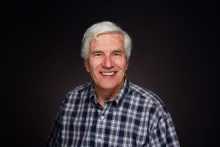
Steve Shafer was born and raised in Seattle. He graduated from Queen Anne High School in 1959 and later graduated from Ambassador College, Big Sandy, Texas in 1967, receiving a degree in Theology. He has been an ordained Elder of the Church of God for 34 years and has pastored congregations in Michigan and Washington State. He and his wife Evelyn have been married for over 48 years and have three children and ten grandchildren.
