
Steve Myers
This transcript was generated by AI and may contain errors. It is provided to assist those who may not be able to listen to the message.
Well, thank you again, Mr. Kester. Good afternoon once again, everyone. It is good to be here with you. It's good to see you all, and I hope all of those who are gathered with us on the webcast hope you are all well. I hope you all, as Mr. Kester had mentioned, got through the chaos of the last couple of days. I drove around. I made the mistake of leaving my house Christmas Eve afternoon, which apparently in Salem is a really bad idea these days. It was unbelievable the amount of traffic on the road and the amount of individuals who were in an extreme hurry to get some places, I'm not sure if they were doing last-minute Christmas shopping or trying to do...
who knows? Who knows? But it was a zoo. Absolute zoo. So we're getting out of the season. We're getting close to almost being done. Just another week. Persevere. Stick with it. And as Mr. Kester mentioned, we'll be looking at January 2nd and 3rd, and on we go. So hopefully that will all tame down just a little bit, and some of the chaos will relax some going forward into next year.
Well, brethren, I haven't always worn glasses. When I was a kid, I think it was a summer before my fourth grade year, I was diagnosed with astigmatism during a routine eye exam. Now, I say routine, but in reality, honestly, I don't remember going in much more than that one time to go see an eye doctor as a kid. I remember we did have a follow-up appointment to that appointment, obviously, because at that appointment he said, you have astigmatism, I want to see you in a year. And so we ended up going back, but to my recollection, those were the only two times that I ever saw an optometrist up into my adult years. But at age eight, I was diagnosed with astigmatism and prescribed glasses.
Now, keep in mind, this is circa like 1988-1989. Okay, so many of you that were around at that time, you can think of the style of eyeglasses that were in existence at that point in time, and you can imagine what those glasses look like, perhaps, in your mind's eye. They were huge.
They were round, and I'm reasonably certain that they were tortoiseshell patterned.
I'm almost certain they were tortoiseshell patterned. I remember the kind of brown speckleness to it. They were decidedly and completely uncool. And, of course, as an eight or a nine-year-old young man, I was very much concerned with things that were cool. And I remember being incredibly upset coming home, because as I'm looking at these glasses, I wasn't wearing them, mind you.
I'm sitting in the car pouting. But as I'm coming home looking at these glasses, I remember thinking I didn't want to wear these glasses to school, because I didn't want to give anyone any more ammunition to make fun of me. I did not want to provide anybody with ready-made ammunition to make fun of me as a result of my glasses. And, in my personal opinion, I could already see just fine what was the big deal. So I spent my fourth grade year occasionally wearing them, if I'm being perfectly honest, probably more often not wearing them. And I went back in a year to go ahead and get my follow-up appointment. So I go in, and the optometrist tells me, your stigmatism is gone! And I thought to myself, what a miracle! He said, the glasses worked! And I thought in my head, I hardly wore them! No, they didn't! But I didn't say that out loud, of course, because I knew I'd barely been wearing them. But those decidedly uncool glasses that year went the way of the dodo, and frankly, I couldn't have been happier at the time. Now, fast forward 25 years. Aidan was in kindergarten. Aidan was attending Grant Elementary. And for those that don't have kids in the Salem-Kaiser School District, basically, the Salem-Kaiser School District, in the early grades, gives every kid an eye exam. They have optometrists come in, every kid, kindergarten, first grade, they do it twice. Kindergarten, they come in, and they do it. And then first grade, they do it again. Basically, every kid gets an eye exam in the hopes of catching any vision issues early, that parents may not have taken them in to to get checked out. Spoiler alert, we had not.
Okay, we did not take him into the optometrist. But in our defense, there was no real reason to do so.
I mean, honestly, we didn't really have a reason to take him in at that point in time. He'd already learned to read. He knew he could clearly see the book in front of his in front of his eyes. He was able to watch movies and shows. He didn't, you know, get all squinty and get up close to the TV.
Seemed like he knew what he was doing. All of those things seemed to indicate that his vision was just fine. Well, one day he comes home from school with a little note that, you know, had some optometrist, you know, symbol on it or whatever, and basically said, not only did he have vision issues, he had significant vision issues. And Shannon and I saw that note, and we kind of scoffed and went, yeah, right, whatever. I mean, come on. The kid can read just fine. He could see just fine.
We asked him, can you see okay? Yeah, I can see fine. All right, perfect. You know, because clearly we're the determiners of that. But we had vision insurance. We'd never used it, and we were paying for it, so we figured we might as well go get him checked out. So he didn't want to go. So I booked myself an appointment, too, because that way, you know, he could see that it wasn't that big of a deal. And, you know, no problem. All is well. So the optometrist goes through the basics. He takes me through the retinal imaging scan, which is so nice. If you don't have an optometrist that has it, ask if they have it. Instead of dilating your eyes with the little drops, they just do a quick little, and then that's all it takes, and they can see your retina.
It's fantastic. But they gave me the standard eye chart and everything, and I did just fine. I had no problem reading the lowest line on both of the charts, the one up close and the one far away. I had no problem at all. So far, I was passing this eye exam with flying colors. So he swung that phoroptera head, you know, in front of me, that little machine that they use, the really cool little machine, and he started swapping out lenses. And for those of you that have done this recently, you know, my guy has a very funny little way that he does it. Maybe they're all like this, but he goes, number one, number two, number one, number two, number one, or number two. And he kind of flips them each time and asks, and I thought it was kind of funny, but I, you know, told him which ones it was, and he'd swap them in, swap them out, and I was probably three, four swaps in.
He asked, well, which one's clearer? And then he'd switch back to the previous one, and he'd drop a new one in. And eventually, he dropped one in on my right eye, and I literally felt my right eye just go, oh, and completely relax. And it was it was weird. I actually went, whoa! And he went, what? I said, my right eye just like completely relaxed. And he kind of smiled, and he popped it back to the one before it, and he goes, what about now? And I'm like, well, it kind of feels tensiony again. And he clicked it back in. Oh, whoa! That's incredible! And I kind of was so surprised.
I explained to him kind of what had happened and what I was feeling, and he kind of smiled and knowingly knew what was going on. So he asked me, do you have frequent headaches?
I thought, yes, I do. Why do you ask? I told, well, you know, I drink a lot of coffee, and maybe sometimes if I don't drink coffee, maybe I've got a caffeine headache or some sort of dehydration headache or whatever. And he said, no. He said, you have a stigmatism. And I said, no, I don't. I was cured of that in the fourth grade. And he didn't want to hear it. As you might imagine, he didn't want to hear it. But he dialed through the rest of the lenses, and he finally settled on my prescription need. And he explained that I would need my glasses anytime that I was doing something detailed within about two to six feet or anytime that I was driving. And he kind of laughed, and he said, so basically 24-7. I didn't find it half as funny as he did, but that was six years ago, and I've basically been bespectacled ever since. The human eye is this incredible piece of design engineering. Our great god is, as usual, an incredible designer and absolutely brilliant, in its creation of its structure and of its function. The eye itself is this hollow sphere.
It's filled with fluid. Okay, so it's got an outer sphere around it, but there's fluid on the interior.
And that particular eye can do some amazing things. It takes reflected light from the objects that we see, and it passes it through a series of lenses and different apertures and things, and imprints that image right on the very back of the part of our eye called the retina. More specifically, the macular region of that retina. And on that macular region, there's a whole bunch of rods and a whole bunch of cones that help us see in the dark or help us see color. And it's amazing that if everything goes according to plan perfectly, as it's been designed, the image is perfect.
It's absolutely perfect, and you can see very well at a distance. You can see very well up close.
However, if anything in that process is even slightly out of position, it causes the bending of that image to bend just enough to not quite hit that macular region perfectly. Maybe it ends up focused just right before that region, or maybe just a little after that region. And so the image that you see is blurred, depending on whether it's up close or whether it's far away, or in cases of my stigmatism, which is in my right eye, blurry regardless. Of course, now I notice it. Now that I have glasses and know what it should look like, when I take them off, it's clear here, and it's pretty blurry-ish here. But up to that point, I didn't notice it. I didn't know. What makes it even more interesting is the image that we see, that we receive on that macular region as a result of those lenses and the way that they operate, it ends up being upside down. So the image itself is projected onto that macular region upside down. And what our brain does, this is incredible, our brain takes that image and flips it right side up. There's actually a couple of gentlemen that did some work on this back in the early 1900s, and what they did was created a set of glasses that had mirrors to take the image that we would normally see and flip it upside down. So you put the glasses on, and everything that was right side up is now upside down. Now Dr. Theodore Ersman here, who is the guy who kind of conceived of this, he didn't do it on himself, he did it on his grad student, which is exactly what you do in academic research. I don't want to do this, find me a grad student.
And so Ivo Koller is the guy's name, they put the glasses on him, and they show, there's actually some really cool little videos you can find of their little experiments online. They're all black and white and kind of silent, but they're interesting. At one point he's holding a cup and they go to pour, they go to pour tea into this cup, and his brain tells him that the cup is upside down, so he flips it, only to pour the tea all over the bottom of the cup and over the back of it.
He's trying to, they try to fence with these sticks, and he's going opposite the direction that he should go, because everything's flipped around. But what's amazing about it is, he said after about two to three days, if he took the object and he traced it with his fingers, the brain would default to his tactile senses and would have flipped the image the way that it was supposed to be. He said after five to six days he could see like anybody else. The image was right side up and everything was fine. Take the glasses off, it took him five to six days for his vision to rewrite again. So our brain does this transposing, so to speak, of this image, flipping it upside down and right side up. It is truly, truly an incredible process that God has created.
But, as we mentioned, as complex as the human eye is, it's not without failure.
Again, if any of those items in that anatomy are slightly out of position, even slightly, as a result of maybe just a lens that is slightly more egg-shaped than round, you end up with a distortion. You end up with a blur, and you end up with an image that's out of focus.
Most of you have probably, and I've ventured most all of you, have probably taken a standard eye exam at some point in time. You stand 20 feet away from the chart, you look at the chart, you're asked to read eight different lines of text, and the text gets increasingly smaller as you read these things. And ultimately, if you can read the very bottom line, you are determined to have 20-20 vision. What we consider to be normal for the human species, that's standard.
Now, some people have better than 20-20 vision, just naturally. Glasses sometimes, actually, these are tweaked to be a slightly better than 20-20 vision. It's more like a 20-15, which gives you just a little bit more clarity and a little bit more ability to see. But if a person can't read that bottom line, if it's blurry, for example, if it's otherwise somehow distorted, then there's an indication that there is something wrong. There's something wrong somewhere along that process. Something somewhere, whether it's the cornea itself, whether it's the lens, whether it's that region of the eye that picks up the image, whether, I mean, there's a number of different things that can occur. But something somewhere is outside of the boundaries, outside of, quote-unquote, normal or standard, and requires correction. Requires a fix, so to speak. Now, there's three primary errors that occur in the human eye. There's three primaries, and they're all refractive errors. So they're all errors that occur with how the light is bent and how the light is ultimately focused on the macular region of the eye. The first of those is myopia. Some of you might be familiar with myopia. That's the old Mr. Magoo factor, right?
What we would call nearsightedness. That's the term that is used. A person is able to very clearly see the objects that are close to them, but they struggle to see objects that are at a distance.
Hyperopia, which is a... also known as farsightedness, which is a visual impairment that results in a struggle for an individual to see objects that are close to them with clarity. So one of them, you can see the objects that are close to you, but you struggle to see those that are far away.
The other, you struggle to see the things that are close to you, but you can see the things that are far away. The last one is astigmatism. And astigmatism is a distortion or a blurriness that affects both near and far objects. So both the near objects and the far objects are affected.
For many people, in fact most people, astigmatism occurs in both eyes. Some people just a single eye.
Okay, so there's three primaries that most people wear prescription glasses for. And everybody's glasses are different. Everybody's prescriptions are different. You know, I can take my son's prescription and put them on and not see a thing. Okay, at all. I mean, it's blurrier than blurry.
Likewise, he can do the same for me. It doesn't do him any good. Everybody's prescription is different. And the reason that everybody's prescription is different, because the goal of corrective lenses is not to change what you see, it's to change how you see it. The image is the same. The image is clear. The problem is how your eye processes that image. That's what the corrective lenses take care of. They correct how your eye processes that image. And it changes the focal length, maybe. It changes the way that it reflects. It changes the way that it bends.
It makes it so that it hits the spot that it's supposed to hit. Somebody else's prescription won't do that for you. So in some ways, that system is designed for you and for your individual needs. So in that sense, if we kind of consider what corrective lenses do, corrective lenses change our perspective of what it is that we see. Title and message today is corrective lenses.
Corrective lenses. Let's go ahead and turn over to the book of Acts to begin today. Book of Acts.
We'll go ahead and turn to Acts 28. And we'll take a look at some of the work that Paul did as he kind of began some of the final years of his ministry in many ways. As he's coming from Malta, as he's going into Rome as a result of his appeal to Caesar. In verse 17 to 20, we see that he calls a group of Jewish leaders together in Rome who had gathered at his request. And he is reasoning with them. He's talking with them about his deliverance as a prisoner from Jerusalem. He's talking with them about his arrival in Rome. He's talking about his appeal to Caesar. And essentially, the Jewish leaders at that time said, hey look, we we haven't received any letters from Judea regarding you. You know, we haven't... nobody sent us any warnings, so to speak, from Jerusalem saying don't talk to this guy. You know, we know that you have some knowledge about some of these things that we're hearing. We would like to know what you think. He says, none of the brethren have come and have spoken evil of you. So they were willing to come and they were willing to meet with him.
So they come to his lodging. They come to meet with him at his lodging where he's residing at that point under house arrest. At that point in Paul's life, he wasn't under a proper prison sentence in chains, so to speak, as we would say in a prison cell. He was under house arrest.
And in that process of meeting with these Jewish leaders, he preached the gospel of the kingdom of God. He spoke of Christ as the Messiah. He reasoned with them using the law of Moses. He reasoned with them using the law of the prophets. And he reasoned with him, not just for an hour, says he reasoned with them from morning until evening as he was talking with these men, trying to get them to see that Jesus Christ was the Messiah, that the kingdom of God was coming, trying to get them to see and trying to get them to understand. And it says, some were persuaded while others disbelieved.
Acts 28 verse 25 is where we'll go ahead and pick it up.
Acts 28 and verse 25 says, so when they did not agree among themselves, they departed after Paul had said one word. Okay, so there were some folks that just like, look, I'm not doing this, right?
I'm not doing this. I'm sorry. I can't get on board with what he's talking about here. And some of them, it sounds like, didn't even really give him much of a chance to begin with at all.
But the thing that really got him was when he said what is recorded here. It says, Paul said one word. The Holy Spirit spoke rightly through Isaiah the prophet to our father, saying, go to this people and say hearing you will hear and shall not understand seeing you will see and not perceive for the hearts of this people have grown dull the ears are hard of hearing and their eyes they have closed lest they should see with their eyes and hear with their ears lest they should understand with their hearts and turn so that I should heal them verse 28 goes on and says let it be known to you that the salvation of God has been sent to the Gentiles and says and they will hear it so Paul quotes the prophet Isaiah specifically Isaiah 6 which is a section that includes those words near to verbatim and these were words that God instructed Isaiah to speak to the people of Israel in his time that they would hear and that they would not understand that they would see and not perceive because their hearts have grown dull their ears have grown heavy in their eyes had been shut and he gets at this idea he tells Isaiah and Isaiah records this that God is getting at this idea that lest they see and that they hear and that they understand and that they turn and that they be healed so Paul applies this to his scenario and his situation and he informs the men who listen to him preach this gospel of the kingdom and refused to hear it those that were you know refused to believe he's linking that to spiritual blindness their eyes were shut they were blind he takes it one step further and i think this is what really upset them telling the Jewish leaders that in their refusal to see what God was doing that the salvation of God was sent to the Gentiles and they with open eyes so to speak readily accepted it this is a final straw for a lot of these Jewish leaders and the Jewish leaders left at this point says they left and not only did they leave they disputed among themselves so not only did the discussion and then maybe the debate that happened there with Paul it continued after they left so that debate continued even after these gentlemen had left this was kind of the final straw they said we don't have to listen to this we're not going to listen to this guy we're out of here another spot well wait a minute let's listen to him let's hear what he's got to say acts 28 concludes by saying that the next two years that Paul was imprisoned in his home he preached the gospel to any and all who came to visit you know we know that Paul had a degree of freedom in his house arrest he was able to have people come and to visit and he was able to preach the gospel to them when they did so now it's possible that some of these Jewish leaders returned it's possible you know acts 28 seems to imply that a few were persuaded at least and maybe they were interested and they came back you know a few maybe were accounted for that dispute as there were some that agreed and some that disagreed as they left and they were kind of still going with each other as they walked away but a large number of those men who came to Paul and who gathered and Paul reasoned with they were blinded to what God was doing we see through scripture a number of references to Christ restoring the physical side of the blind see that throughout scripture in so many different places in mark 8 we won't turn to these locations but in mark 8 Christ heals the man in besetah restoring his sight in John 9 he heals a blind man of who had been blind since birth making the point to those that were gathered that neither that man nor his parents had sinned but instead that his blindness had happened so that the work of God could be displayed through him that he then would experience what he experienced so that Jesus Christ could come along at that moment in time and could heal this man of his affliction restoring his sight demonstrating the power of God in Matthew 9 Christ heals two blind men after the resurrection of Yairus's daughter so we see that there's this this process of a healing of physical blindness that occurs throughout scripture see it in so many different places but we're talking in these situations we're talking blindness 100% blindness not you know slight distortion of our lenses not slight you know issues not able to really maybe focus on something up close or something far away this is blindness this is darkness this is an inability to see and this is a common theme in fact it's a prophetic foretelling that the messiah would restore sight to the blind so in doing this he's fulfilling prophecy in the process but not only that it looks forward and foreshadows to a healing of a spiritual blindness in the lives of those who would ultimately believe let's go over to second Corinthians verse four or chapter four second Corinthians four second Corinthians four and we'll go ahead and pick it up in verse one here again this theme is common in Christ ministry it happens frequently again it's a part of the foretelling of the prophecies of messiah that the messiah would come and would restore sight to the blind not just physical sight but spiritual sight as well second Corinthians four and we'll go ahead and pick it up in verse one second Corinthians four verse one says therefore since we have this ministry as we have received mercy we do not lose heart but we have renounced the hidden things of shame not walking in the craftiness nor handling the word of god deceitfully but by manifestation of the truth commending ourselves to every man's conscience in the sight of god but even if our gospel is veiled it is veiled to those who are perishing veiled there is a greek word for hidden or obscured even if it's veiled if it's hidden or if it's obscured it's hidden or obscured to those who are perishing those who are dying whose minds the god of this age has blinded whose minds the god of this age is blinded spiritually blinded them to the receipt of god's truth who do not believe lest the light of the gospel of the glory of christ who is the image of god would shine on them verse six i'm sorry verse five for we do not preach ourselves but christ jesus the lord and ourselves your bond servants for jesus's sake for it is god who commanded light to shine out of darkness who was shown in our hearts to give the light of the knowledge of the glory of god in the face of jesus christ so it's talking about even if the gospel is veiled even if it's hidden or if it's obscured it's hidden to those who are perishing it's hidden to those who are dying whose minds the god of this age we recognize satan the devil the god of this age has blinded prevented them from being able to even accept it or encouraging them or pushing them to refuse it when they do hear it but he's caused the gospel to be veiled now god allowed that spiritual blindness again revealing the gospel to whom he chooses those whom he is called and for those whom god is called and in whom that seed has fallen on fertile soil their eyes have been opened their eyes have been opened to god's truth they've had an opportunity to understand they've been given that chance been given that opportunity and paul references this concept we'll reference the the passage if you want to turn there you can if you're a fast turner go for it it's ax 26 ax 26 well let's go ahead and turn there i told you we wouldn't we're going to i got more time turns out x26 and we'll pick it up in verse 16 x26 and verse 16 says but rise and stand on your feet paul again recounting his conversion he's telling the story of what happened to him and how it happened to him he says but rise and stand on your feet for i have appeared to you for this purpose to make you a minister and a witness both of the things which you have seen and of the things which i will yet reveal to you verse 17 uh is that where i want to be yes verse 17 i will deliver you from the jewish people as well as from the gentiles to whom i now send you and what was the reason verse 18 to open their eyes to order or in order to turn them from darkness to light from the power of satan to god from the point and stage and status of being blinded to the word of god to the point that their hearts were malleable enough to accept it and to know it and to see it that that was what paul was being sent to do to open the eyes of the gentiles to take the word of god to them to turn them from darkness to light and from the power of satan to god that they may receive forgiveness of sins and an inheritance among those who are sanctified by faith in me so brethren we sit here as recipients of that truth we sit here eyes open our eyes are opened to the truth of god we are not blinded we are not in darkness we are in light so we are in a position where this has been given to us we are not spiritually blinded we've been called or are being called and we've either responded or are responding to that calling and god has revealed this precious truth to us he chose us we are the elect he chose us but not because we're anything special not because we're anything special in fact quite the contrary he chose us because he works mightily in weakness he works mightily in weakness but it's really important for us to recognize and to keep in mind that just because our eyes have been opened does not necessarily mean that we see perfectly it does not necessarily mean that we see perfectly in fact when i sat down in that optometrist chair six years ago i thought i saw perfectly i had no issues with my vision i could read distant signs i could read things up close i had no blurriness i had no idea that i had a visual impairment i was absolutely blind to it until he applied a corrective lens to my eye and i could see the difference between what i knew and what reality was brethren i would submit to you that this past year has been a spiritual eye exam i would submit to you that the year 2020 has been a spiritual eye exam as this year has gone on and we have come up against its various challenges whether it's related to the pandemic whether it's related to the government's response to it whether it's related to the incredibly contentious political climate of this past election year and the various changes sorry challenges that have come and will come going forward as a result of that this year has exposed places of impairment it has exposed places in our lives in which we are impaired it has illustrated areas in our lives where we don't see clearly spiritually and it is revealed to us our own spiritual limitations or the areas in our lives where we are outside the boundaries so to speak but the thing of it is it only provides us with that if we are willing to consider it and we are willing to reflect on it and we are willing to analyze our own spiritual vision in light of these things if we're going to say well i have no issues with my vision then we're not going to see it if we can't consider the possibility that we might be impaired in our vision we won't see it so in that vein i would like to ask a question today how is our spiritual vision how is our spiritual vision i say our not your our spiritual vision this is not intended to be you you you this is us this is us as a church this is us as a people this is us as brothers and sisters are we myopic are we hyperopic do we have a stigmatism and is it possible that the events of this year and the different things that we have seen have exposed those things in our life if we're honest with ourselves and we look at our lives closely let's dig into these let's take a look at these let's explore what these might look like in our life myopia myopia myopia is a refractive error that ultimately the most people experience this is a situation most people that wear any form of prescription eyeglasses of any kind they suffer from myopia okay this is the primary method that they or the primary error that they experience and what it results from is it results from an eye that grows too long in this direction it's it becomes more oval shaped than it does round in some ways and so as a result the lens is further away from the retina and so when it bends the light it doesn't quite hit it right it hits just in front of it or it hits just a little bit before it so it doesn't quite hit the right spot to be able to perfectly provide a clear and readable image so what results is an image that's out of focus for distant objects nearby images are not affected like you could read a book just fine okay you could read a book just fine but your distant images you're gonna have a challenge scene you're gonna be a little bit blurry you know you look in the back of the room or you're reading a road sign you know i can't quite read what that road sign says but you can focus clearly on the things right in front of you but the things that are off in the distance the big picture so to speak maybe it's not clear or it's out of focus let's go over to 2nd Peter 1 2nd Peter 1 2nd Peter 1 we're going to take a look here at this first little section here of 2nd Peter 1 we know this particular book was written between 65 and 68 AD most likely so it's written in the last few years of Peter's life we know he's referencing his impending death he's talking about the that he's about to put off the body this particular body he's about to put it off as Christ had shown him that he would Peter then is as you might imagine in this case writing with a very serious sense of urgency this is his last opportunity to speak to the the brethren via his writing perhaps especially to all of the churches he was not going to be able to get around to those to to go and visit them necessarily so this letter was sent out we don't know the exact audience it's classified as a general epistle so basically it's sent out to Peter's hand to the various churches and in it he talks about a variety of themes talks about a lot of different themes he talks of God's grace he talks of the dangers of false teaching of the need for the believer spiritual preparation he talks about the importance of putting on the divine nature talks about the hope of God having this incredible hope of God and trusting in and having faith in the promises of God he talks about this coming day of the Lord and ultimately he leaves the readers with an exhortation to stand firm and to be steadfast in the truth okay so it's a fantastic letter i mean it really is it's a it's a beautiful letter that Peter writes here in second Peter i want to dig into second Peter 1 and we're going to pick it up in verse 2 just generally right after the greeting here second Peter 1 and verse 2 says grace and peace be multiplied to you in the knowledge of God and of our end of Jesus our Lord as his divine power has given us all things that pertain to life and godliness through the knowledge of him who has called us by glory and by virtue by which verse 4 have been given to us exceedingly great and precious promises and that through these referencing those promises you may be partakers of the divine nature that we are to be partakers of that divine nature having escaped the corruption that is in the world through lust verse 5 but for also for this very reason giving all diligence add to your faith virtue to virtue knowledge to knowledge self-control to self-control perseverance to perseverance godliness to godliness brotherly kindness and to brotherly kindness love for if these things are yours and abound these things that he's just mentioned virtue and knowledge and self-control perseverance godliness brotherly kindness love if these things are yours and abound you will be neither barren nor unfruitful in the knowledge of our Lord Jesus Christ verse 9 for he who lacks these things in other words if we don't have them if we don't have virtue if we don't have knowledge self-control brotherly kindness love godliness he who lacks these things verse 9 is short-sighted even to blindness and has forgotten that he was cleansed from his old sins verse 10 therefore brethren be even more diligent to make your call and election sure for if you do these things you will never stumble for so an entrance will be supplied to you abundantly into the everlasting kingdom of our Lord and our Savior Jesus Christ Peter lines out here the expectations of a child of God of one who is putting on the divine nature of someone who is becoming a partaker of that divine nature who is striving for that goal he says that they should be diligent and add to their faith virtue knowledge self-control patience perseverance godliness brotherly kindness and love and we recognize as we look at these things they add to one another and that as you grow these capacities they they help you to grow the next capacity Peter talks about how these things must abound in us and that if they abound and that if they abound we will not be barren we will not be unfruitful but he goes on to say again in verse nine that those who lack these things are myopic that they are short-sighted in fact the greek word there that is used is myopassone myopassone which means nearsighted it literally means myopic those who lack these things who lack virtue who lack an excellence of character who lack moral uprightness so to speak knowledge and understanding if we lack self-control of our actions and our emotions our responses to adversity if we respond with impulse or respond with wrath or we respond with anger if we lack perseverance if we lack steadfastness patient endurance you might say just being able to bear issues that come our way if we lack godliness piety or if by our actions and our words we show a lack of reverence to god if we're not showing filia love to our brother or agape to all brethren then we are myopic so peter says it's written right here in your bible if we lack these things we are myopic we're short-sighted now peter goes as far as saying and i think this is where we need to be even more concerned is that not only when we lack these things are we myopic brethren we are at risk of complete spiritual blindness again that we can head back down that road to where we're closed off again and we're darkened and we're back in the dark and we're no longer in the light now why is that why do we become myopic or why do we run the risk of blindness because we're forgetting what was done for us and why it was done for us we're forgetting why god's truth was revealed we're forgetting the sacrifice of jesus christ on our behalf for the forgiveness of our sins we're forgetting about the receipt of god's holy spirit which enables us to become more like him we're forgetting about the coming kingdom of god we're myopic because we're missing the big picture because we are missing the message that we've been given to preach because we are so focused on what is right in front of us we simply can't even see it we can't even see it we simply can't even see it we can't even see it brethren i can't tell you how much i wrestled with giving this message i can't even tell you how much i fought with myself over this message and i hope and i pray that the things i say in this message are going to be taken in the vein they are intended i love you i love you so much but i'm concerned i'm incredibly concerned when we lack the things that are outlined in second peter one when we lack virtue when we lack understanding self-control perseverance steadfastness when we lack these things godliness brotherly love the love of god brethren we're missing the big picture because we're only focusing again on the things that are right in front of us masks mandates government overreach a stolen election trump biden brethren in the past 10 months have we spent as much energy on our personal preaching of the gospel as we have arguing about these things and somebody will say well but but but but the election was stolen okay the government's overreaching yep they are vaccines are this trump is this biden is this but but but but brother internal mark four please mark four picking it up in verse one mark four in verse one it says again he began to teach by the sea and a great multitude was gathered to him so that he got into a boat and he sat in it on the sea and the whole multitude was on the land facing the sea then he taught the many things by parables and he said to them in his teaching listen behold a sower went out to so and it happened as he sowed that some seed fell by the wayside and the birds of the air came and devoured it some fell on stony ground where it didn't have much earth and immediately it sprang up because it had no depth of earth but when the sun was up it was scorched and because it had no root it withered away and some seed fell among thorns and the thorns grew up and choked it and it yielded no crop but other seed fell on good ground and yielded a crop that sprang up increased and produced some 34 and 30-fold some 60 and some 100 and he said to them verse 9 he who has ears to hear let him hear now we recognize christ taught in parables because of the reason that we saw outlined in isaiah 6 those that were being opened their minds were being opened by god would have the opportunity to understand those things while those that didn't wouldn't necessarily understand what he was teaching now we see interestingly enough he has to explain it to his disciples let's go down to verse 13 he explains this particular parable to them and he said to them do you not understand this parable how then will you understand all the parables the sower sows the word and these are the ones by the wayside where the word is sown when they hear satan comes immediately and takes away the word that was sown in their hearts these likewise are the ones sown on stony ground who when they hear the word immediately receive it with gladness and they have no root in themselves and so endure only for a time afterward when tribulation or persecution arises for the word's sake immediately they stumble now these are the ones verse 18 these are the ones sown among thorns they are the ones who hear the word and the cares of this world the deceitfulness of riches the desires for other things entering in choke the word and it becomes unfruitful but these are the ones sown on good ground those who hear the word accept it bear fruit some 30-fold some 60 and some 100 so christ outlines four different you know essentially soil types so to speak with this particular parable and the conditions upon which they exist verse 18 talks about those that fall among the thorns and it talks about very specifically again verse 18 and 19 the cares of this world the deceitfulness of riches and the desires for other things entering in choke the word and it becomes unfruitful when we focus on the things and the cares of this world when we focus on those things and don't focus on the big picture it's like the thorns that come up to choke out the word we've heard the word it's taken root but we can't seem sometimes to extricate ourselves from the thorns we're so focused on them we're so focused on those concerns we're so focused with what's going on around us we're so focused on all these things that we can't see the light above us we can't grow towards the sun because all these things are choking us out we're so focused on the cares of this world on the things that are just right in front of us that we can see clearly that we can't focus on what's coming and slowly and surely the word is choked out and the seed is unfruitful brother myopia kills myopia kills it chokes the word of god to death because it is so focused on here and now that it makes it very challenging to see what is coming why is that because it takes our focus off of what we should be focused on and it puts it on the things that moth and rust destroy you know the events of this year as challenging as they have been and as life-changing as they were they're going to mount to absolutely nothing when the kingdom of god is here they won't even register as a footnote in history when the kingdom of god has come none of it will matter but and this is important the way that we interacted with these things the way that we spoke about these things the way that we you know our attitudes the choices that we made the emotions that we've displayed in the face of them those things most certainly will count because those are character aspects and as we are putting on the divine nature as we are becoming partakers of the divine nature it's essential that we begin and that we focus especially on operating in that capacity remember corrective lenses they don't change what you see they change how you see them they don't change what you see they change how you see them the image is clear already it's the eyes and the function of the eyes that need to be fixed properly balanced vision enables us to see both the things that are close and the things that are far away each in their proper perspective and that's important and that's important another issue that we can experience is hyperopia hyperopia is much less common than myopia and it results when the cornea of the eye begins to bend light incorrectly so again when it hits the lens of the eye the focal point actually shoots past the macular region and the nice pinpoint focus is behind where it should be so it's like if you had a projector for example the focused image is behind the screen so to speak so it's super blurry when it hits the screen but the image is focused behind the screen because of the structure of the lens itself so the image that you ultimately see is super blurry for objects that are close to you but your distance vision remains clear let's go to matthew 7 matthew 7 again these refractive errors they're errors that all of us face they're errors that all of us can experience if we're not careful we're all needing to be aware of these things but hyperopia enables us to focus on the things that are in the distance but not see the things that are right in front of us not see the things that are right in front of us matthew 7 i think is a pretty good example of spiritual hyperopia just kind of what that looks like in in our lives dr hanoi just recently was here in a sermonette did a wonderful job explaining the difference in the greek words and kind of what was intended by the statement that christ provides here so i'm not going to get into that per se but i want to look at it from a standpoint of hyperopia matthew 7 verse 1 says judge not that you be not judged for with what judgment you judge you will be judged and with the measure you use it will be measured back to you and again we remember that word judge there is the word that is used to describe condemnation even though we are you know encouraged to judge righteous judgment that we are to discern right and wrong from what the word of god states verse 3 and why do you look at the speck in your brother's eye but do not consider the plank in your own and brethren that is so easy to do that is so easy to do why do you look at the speck in your brother's eyes but do not consider the plank in your own or how can you say to your brother let me remove the speck from your eye and look a plank is in your own it says hypocrite first remove the plank from your own eye and then you'll see clearly to remove the speck from your brother's eye do not give what is holy to the dogs and cast your pearls before swine lest they trample them under their feet and turn and tear you into pieces you know as humans we are incredibly good at pointing out what's wrong with everyone else you know it's it's easy to do it's truly easy to do and all of us have to be aware and be on the lookout for those sorts of things and i think sometimes when we are able to see things in others that we perceive as being out of line often we really frequently struggle to see the parts of our own life that need to be brought under god's authority and i think that goes for all of us i mean it's something that happens very frequently in a human condition we see the issues everywhere but in ourselves we see the flaws of our spouse okay for those of you that you know are married you live with someone long enough you start to see the flaws right you start to see the things that that are the the minor irritations maybe even sometimes larger irritations but you begin to see what you would perceive as flaws maybe we see the flaw in our boss we see the various flaws in our boss or we see if we're the boss flaws in our employees and we're quick to point those out we're really quick to attack those and we're quick to say nope that's not the way it's done that's not it that's not how it works we can see the flaws of our brothers and our sisters and we can ultimately kind of nitpick on those things sometimes but all the while we end up ignoring the plank that's in our own eye matthew sevens bringing to bear this idea that if we condemn someone else as a result of the speck in their eye while ignoring the plank in our own that we will end up with the same condemnation as which we condemned them that's what this particular passage is getting at now again we're we're instructed to discern right from wrong we are encouraged again scripturally to judge righteous judgment based on scriptural principles of what is right based on god's word but all too often what happens is that that's done without taking the time to examine ourselves first to consider our own shortcomings to consider our own faults to consider the issues that we have and come before god in prayer come before god and own those issues come before him in repentance to help us to remove those things and to excise those things from our lives connie might say chipping away at the pieces of our life so to speak that are not like christ that are not in accordance with god's spirit so that as time goes on we become more like the example and pattern of our elder brother now we recognize we're not going to hit that perfectly in this life we're not going to get there but that's not an excuse to not try right we still have to do everything we can to do what we can to get there they'll obey him fully let's go over to romans 8 romans 8 again we recognize that god has called us to be part of his family we recognize that as his elect that is his chosen we've been chosen according to his purposes i want everybody to hear that you have been called that means you have been chosen specifically by god according to his purposes that he sees something in you you may not even see it in yourself but he sees something in you such that he has offered his truth to you to you personally out of the seven and a half billion people on this planet he's given it to you he's offered it to you it's not an accident it's purposeful it's absolutely purposeful we've been chosen according to his purposes just you know just like the blind man who was blind from birth for a reason he was blind from birth so that christ could come along at that point in time in his life and heal him and provide him with his sight so that does not mean that everything is going to be perfect it doesn't mean that everything is going to be easy but it does mean that in the end everything will work out for good it will but we have to be able to acknowledge we have to be able to accept that the good that may happen from it might not be what we think or how we hope it occurs and therein lies the challenge as humans verse 28 of romans 8 verse 28 of romans 8 reads as and states for we know that all things work together for good to those who love god to those who are the called according to his purpose verse 29 for whom he foreknew he also predestined selected to be conformed to the image of his son that he might be the firstborn among many brethren moreover whom he predestined or selected these he also called whom he called he also justified and whom he justified these he also glorified god has chosen and he has selected those that he has called we know john 644 says we have to be brought by the father through christ to him that that's a part of the process god's calling but he chose and he selected those he would call and determined that they would be conformed samorphos is the word in greek that they would be conformed to or they would be fashioned after his son that they would be and might be the firstborn among many brethren romans 12 talks about this idea too it says in the esv for example it translates and says do not conform any longer to the pattern of this world do not conform any longer to the pattern of this world but be transformed by the renewing of your mind through the holy spirit of god that's what renews our mind in other words don't allow yourself to be fashioned after the pattern of the world and allow yourself to be fashioned after the pattern of jesus christ jesus christ is the firstborn among many brethren we might say the prototype so to speak and that we are to be fashioned like him with his character with his mind his actions and his speech and his thoughts again excising removing the attitudes and the actions that are not of god until we near the pattern of his son jesus christ slowly and surely removing those aspects of our life that do not line up with god in his ways fezians 2 takes it one step further let's go ahead and pop over there fezians 2 fezians 2 i don't know if it's just me or not but it's warm in this building today okay good it's not just me we're all suffering together then fezians 2 we'll go ahead and pick it up in verse 1 fezians 2 and verse 1 says and you he made alive who were dead in trespasses and sins in which you once walked according to the course of this world according to the prince of the power of the air the spirit who now works in the sons of disobedience among whom also we all once conducted ourselves in the lust of our flesh fulfilling the desires of our flesh and of the mind and were by nature children of wrath just as the others says at one point in time we fashioned ourselves to the pattern of this world acted like anybody else in it would we fashioned ourselves conformed ourselves to the pattern of this world walking again according to its course according to satan in disobedience chasing after and lusting after our own personal desires and wrath but it goes on to say verse 4 um oh i lost it ah sorry where did i go fezians 2 uh let's jump down to verse 10 sorry let's jump down to verse 10 oh no verse 4 just jump around with me here let's go back and forth a few times verse 4 of fezians 2 my apologies but god who is rich in mercy because of his great love with which he has loved us so talking about what is it that brought us out of that pattern of the world well it was god's love for us it was god's selection and choice of us his his offering of his truth to us and our response to or response rather to that calling we were made alive taken from that darkness and brought into light through the love which god loved us and we're alive with christ saved by faith through grace again as the gift of god but in verse 10 it's interesting how it states this it says for we are his workmanship created in christ jesus for good works which god prepared beforehand that we should walk in them it says we're his workmanship the greek word is poem poem which is where we get the english word poetry or poem from some translations translate translate this is masterpiece the greek's kind of inconclusive to be honest i think you could argue that anything that comes from the hand of a master builder like god is going to be a masterpiece but to say that poema means masterpiece it's not in the greek it's just it's not there it means work it means the literal work of his hands it means an object that was created and forged so to speak or written or drawn or sculpted by a master builder and we would know that that god doesn't make junk okay we know god doesn't make junk but why were we created we were created for good works in which we should walk okay that we should walk in them created in christ jesus for good works which god prepared beforehand that we should walk in them you know when we're farsighted and when we can't see our own shortcomings or we refuse maybe to see our own shortcomings and to work on them in some ways we're denying the design of our creator he created us as his workmanship with the intent of our being fashioned after the pattern of his son we were meant to change we were intended to become like christ and so when we i don't know hold on to like with tight grip these worldly characteristics in our lives and we refuse to excise them where we claim well it's who i am or this is just get used to it in doing so we deny the intent of our creator and not only that we deny the transformative power of his holy spirit in our lives it's almost like we're telling god your holy spirit isn't powerful enough to make me change is that true of course it's not of course it's not it's whether or not we'll yield ourselves to it it's whether or not we'll we'll allow ourselves to change we're imperfect we struggle we fall short we recognize that god's grace thankfully is present when we do but we have to be striving to improve we have to be striving to grow we have to become and work to become more like jesus christ you know that grace that we receive it's a gift it absolutely is a gift of god's to give to whom he chooses but the expectation is that we will be conformed to the pattern of the sun and so we do what we can to make that happen you know we think about the situations that we're in as we go through this life we think about the different things that we come across and we ask ourselves how would christ have responded to this scenario what would he do in this circumstance how how would he interact what would he say you know how would he how would he use this opportunity that i've been given this unique opportunity and this interaction with this person to leave a seed how would he use that opportunity i think sometimes if we ask ourselves that question we see things with different eyes we see the opportunities we see the availability we see the things that are there and we endeavor to respond in kind you know at the end of the day ultimately we answer to ourselves or to god rather for ourselves and it doesn't necessarily matter if we were able to make a list of all the sins in the lives of other people and recognize those sins if we have sin in our own lives that we're not actively rooting out and repenting of turning again in god to full submission to him we're in the midst of hyperopia we're in the midst of hyperopia we can see the distance we can see clearly here but we are blind to our own shortcomings we're blind to the things in our own life that are causing the issues that we are experiencing and so we have to be able to find those things we have to be able to utilize corrective lenses to be able to see them to be able to remove them when we see them final refractive issue that we experience is astigmatism it's astigmatism this is what i have in my right eye that's what is the reason for these my left eye is fine my right eye has got astigmatism so it's all working hard to do the things that it's supposed to do but doesn't doesn't do them on its own without lenses and astigmatism is a structural issue of the eye in fact mentioned earlier it happens in both eyes more frequently but it can actually happen in a single eye as a result of an injury and that's kind of the the one of the reasons that it happens in a single eye i don't know if i can't recall getting an eye injury but who knows maybe i did but basically the gist of it is this the eye is more egg-shaped the cornea itself i should say sorry the cornea itself is more egg-shaped or the lens is more egg-shaped and so the two lenses they don't curve the same way instead of being nice and curved similarly one of them has a more pronounced curve than the other and so when the light bends through the first lens it catches that second lens or vice versa and it bends it just wrong enough to cause a distortion it bends it just wrong enough not to hit that spot accurately not focused and it can again can happen in one eye or it can happen in both eyes but depending on the severity of the astigmatism it could result in an inability not to see clearly at all you could be 100% blurry in all aspects of your sight whether up close or long distance 100% blurry all the time you can still see quote unquote and again depending on severity it could be worse or it could be less but ultimately what we're experiencing in a situation of astigmatism is we don't have the ability to see up close or or at a distance we're blurred and we're distorted in both scenarios and so spiritually when we talk about somebody experiencing a spiritual astigmatism we're talking about someone whose view of life both themselves and as well as the big picture it's distorted it's not accurate they're struggling to see maybe how their place is or where their place is you know they might have a full understanding of the gospel they might have an understanding of what's expected but maybe in reality or in practice it's not getting done and as a result life is blurry they can't see they're unwilling maybe to to see their own shortcomings in the part that their actions play in it or they can't see the big picture clearly and so they they miss the point that they're in grave danger if they don't do something the vision is blurred they know it's blurred they know something's wrong it's simply not working this can come from a lot of different places and honestly i mean we could go hours on the different ways that we can end up in this place but it can come from unbelief it can come from a lack of belief that god loves you it can come from a lack of belief that god will provide for you it can come from a lack of belief in a number of different things it can come from doubt it can come from a general disbelief that you could be loved by anybody and so it changes how you interact with anyone and everyone because you can't be loved in your own opinion and in your own mind it goes beyond just individuals it goes to god too these stigmatisms can come from sin in somebody's life it can come from us even to an extent making god in our image and deciding that god only agrees with us right because what that does is it distorts his message it distorts his message we know that can come also from false teachings it can come from a number of other issues but in these circumstances brethren the important thing with astigmatism you know at least with myopia or hyperopia you can see one or the other pretty well sometimes all you got to do with the one is just kind of squint a little bit and you can see either at a distance or you can see up close but with astigmatism you're blurred period the only fix the only solution is corrective lenses that's it that's the only way that your vision becomes clear again let's go to second timothy three and verse 16 second timothy three and we'll pick it up in verse 16 second timothy three and verse 16 says all scripture is given by inspiration of god and is profitable for doctrine for reproof for correction for instruction in righteousness that the man of god may be complete thoroughly equipped for every good work brethren the word of god is the corrective lenses upon which all of our spiritual issues spiritual vision refractive errors whatever we want to call them it is through the word of god as our corrective lens that these issues can be taken care of it is through these issues in which our vision and our our ability to see the things that are up close and the things that are far away can be made clear it is through this word that god has provided to us that a man can be made whole a woman can be made whole someone can be made to be thoroughly equipped for every good work it is the words contained in this book and so as a result of this and as a result of this recognition it is through the lens of this book that all has to be passed and when we have a situation in our life that is in opposition to what we read in here this is the appropriate lens not what we think not what we feel this you know when scripture talks about what our relationship is to be with authority we have strong feelings about that of course we have strong feelings about that nobody likes to be told what to do what does scripture say what does scripture say what does scripture say of course we have strong feelings about that nobody likes to be told what to do what does scripture say it says unless it breaks the word of god submit that's hard that's incredibly hard but that's what this says that's what the lens says when scripture talks to us about where our citizenship lies when it talks to us about where and the price that we were redeemed with we have to believe it we have to recognize it we have to see it we have to accept what the word says you know we may have a personal belief that we can't possibly be loved we can't possibly be cared for what does this say this says that you are a child of god this says that he loves you this says that he will never forsake you that he will never leave you that he is there for you that his grace is present for you that you are worth the fight that's what this says accept it believe it because it's true accept it and believe it because it's true if you're thinking opposite of that if you're thinking opposite of what it says right in this book your eyes not processing the image correctly put the lenses on wear your glasses so to speak and see what god says and take him at his word because the promises that he has given to us they are eternal they are perfect and they will come to pass I assure you of that you know whether or not we're experiencing hyperopia or myopia or we're missing the you know the big picture we're missing the things up close whether we're looking at a distorted viewpoint of ourselves and in our you know place in in not in scripture so to speak but our place in the world and our position in it with regards to god and we're looking at the only solution to these issues the only thing that enables us to be able to see it for what it is and to actually truly be able to process it in the way that god intended is to apply the corrective lenses of god's word in our life I want to leave us today with Matthew 6 and verse 23 Matthew 6 and verse 23 Okay.
My bible has this fun little trick where if I'm turning backwards toward the Old Testament it goes immediately to Daniel which is not where we want to be lots of good stuff there but Matthew 6.
Matthew 6 and we'll go ahead and pick it up in verse 23.
Okay, verse 22.
Might as well get the context.
Matthew 6 verse 22 says, the lamp of the body is the eye.
If therefore your eye is good, or we might say healthy, your whole body will be full of light.
But if your eye is bad or your eye is unhealthy, as some translations put it, your whole body will be full of darkness. If therefore the light that is in you is darkness, how great is that darkness? You know, these spiritual issues that we can experience as a result of spiritual myopia or hyperopia or astigmatism, they can have very serious consequences in our spiritual lives. You know, all of these issues cause challenges in our spiritual lives, but the ultimate end result and consequences can be dire. They can truly be dire. You know, I think, like I mentioned earlier, I think this year, I think 2020, provides us with an opportunity for a spiritual eye exam. I think it provides us with an opportunity to be able to examine this year, to examine the things that we've experienced, and to really ask ourselves, where am I at with all of these things? How do I react when, you know, this happens? Or how do I, you know, what is my response in this scenario? And ask ourselves, is that the kind of response that this book tells us we should have? Is that the response that these corrective lenses say? Because again, it doesn't change what you see. It changes how you see it. Those things are all still there. We're all seeing the same thing. The difference is all of us are processing it differently.
But through here, we process it all in the same way. So I think this year has provided us with an opportunity to reflect. I think it's provided us with an opportunity to examine whether any of these disorders may exist in our own lives. And I hope, and I pray, that again, that this message is taken in the vein that is intended. I hope that we can utilize the events of this year to really reflect and to kind of consider our path going forward here into this next calendar year.
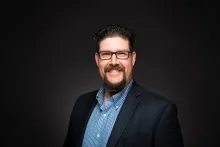
Ben is an elder serving as Pastor for the Salem, Eugene, Roseburg, Oregon congregations of the United Church of God. He is an avid outdoorsman, and loves hunting, fishing and being in God's creation.
