

Rick Shabi
This transcript was generated by AI and may contain errors. It is provided to assist those who may not be able to listen to the message.
Well, thank you very much, David, for that. We always appreciate the talent that we have and all the effort that goes into those pieces. We do have one correction in the announcements.
There will be no choir practice next week. Next practice will be on December 1st at 1. So, take note of that.
You know, many people around the world are very superstitious, and I think Americans are about as superstitious as anybody. A lot of people are afraid of black cats.
In fact, one of our members in Rome this morning, when I gave this sermon, laughed that they had been out at a restaurant and a black cat ran in front of them last night. I forget what they were going to do because of the black cat, but some superstitious saying to ward off the effects of the black cat. People are concerned about broken mirrors or cracked mirrors or walking under ladders. That's probably a wise thing to avoid walking under ladders, not for the reason of some superstition, but things falling on you. The number 13, you find that motels, hotels, a lot of buildings don't have a number 13 floor, simply because people are superstitious. They'll eliminate number 13 as far as room numbers are concerned. For the same reason, people are afraid of the dark. There are all kinds of phobias that people have, and probably many of us suffer from some of them. But there's one type of fear that you find that the majority of people do not have. Could you guess what that might be? It's amazing how Ray Epperson's sermonette and my sermon are going to tie in together.
But most people in this nation do not have a healthy fear of God in the right way.
We're not talking about a fear like a dog that's been beaten, kicked, abused, and when you come out and you look at it, it sort of cowers down as if it's afraid you're going to do something to it. We're not talking about that. But we're talking about the fact that we live in a nation, we live in a time, when people have seemingly lost all respect for God, for God's way of life, His laws, His commandments. Let's go over to Psalm 36, beginning in verse 1, where David describes the conditions that we see around us today in society. Psalm chapter 36, apparently things have not changed very much over the centuries, beginning here in verse 1, an oracle within my heart concerning the transgression of the wicked.
There is no fear of God before his eyes. And then it says, for he flatters himself in his own eyes when he finds out his iniquity and when he hates the words of his mouth or wickedness and deceit, he is ceased to be wise and to do good. He devises wickedness on his bed. He sets himself in a way that is not good. He does not abhor evil. So you find that there is no fear of God before his eyes. Now it's interesting, the way the living Bible translates, verse 1, says, sin lurks deep in the heart of the wicked, forever urging them on to evil deeds. They have no fear of God to hold them back.
See, the fear of God helps to restrain people from doing wrong. It puts a check on them. It holds them back. And it holds them back from sin. It keeps them under control. But what you find is that so often, people have no restraints whatsoever. Think of it from this point of view, and I know Mr. Epperson can identify with this. You have a horse, and this horse is wild, or it's not as tame as it should be. And it runs around. We'll talk about a wild Mustang out in Utah or Colorado somewhere, just living up in the mountains. And it has no restraint. It's free as a breeze. And one day you last-sew this thing, and you get a bridle on it, and you restrain it. And it's no longer free. And you put it into a small corral. And you've got the thing corralled, and it's not able to just do what it wants to do. Well, when it comes to human nature, today you find very little restraint on what people want to do. They just do what they want to do. There's no thought of God in their mind and their hearts. They don't think about, well, what would God say here? So there's nothing that controls or holds them back from sin.
Our children, growing up, obeyed us because they feared us, to a certain extent. That's not the only reason, and it shouldn't be the major factor. But it still is a factor, isn't it? We had five boys, and they grew up, they knew that if we said something and they didn't do it, they were in trouble. They were going to be held accountable for it. And so a lot of times, even though they may not want to do it, and they want to do something else, they did it because they knew there was a penalty, and that penalty was going to be applied. But yet, we live in a permissive age today when you just look at society.
People have few restraints. They give themselves over to all kinds of addictions, like drug addiction, alcohol addiction, food addictions, all kinds of sexual perversions, and they do anything they want to, and they have no checks on them. Well, let's notice back in 2 Peter 2 and verse 10 that God has something to say about this, and especially about our mouth, how we use our mouth.
Ask yourself, do we put restraints on our mouth on what we say?
Do we put a governor on it? Or do we talk about things that we should not be talking about? Do we discuss things that we should not be? Do we talk against the authorities? But 2 Peter 2 verse 10 says, especially those who walk according to the flesh, in the lust of uncleanness, and they despise authority. They are presumptuous, self-willed. They are not afraid to speak evil of dignitaries. No fear in front of them to speak evil of dignitaries. Now here, the word actually refers to the glorious ones, or angelic beings, but the principle applies that there are people, there are the wicked, who are not afraid to speak evil. The Bible tells us, and this is an example, we should pray for our leaders. And yet, you find today, many of our leaders are ridiculed, made fun of, every form and fashion that one could think of. The fear of God helps to restrain us from sin, helps to hold us back from sin. Now the problem is this. Is God real to us?
One of the reasons why people do not have a fear of God is that God is simply not real. He's not as real as this podium is, or as the person sitting next to you, or your mate, or your boss at work, or whoever it might be. And many of the actions that people have in society, and the world around us, and sometimes even within the the church of God community, are not the way they should be. And we find that the same thing is true. Again, I will harken back to child rearing in children throughout this. We've all seen properly trained children before, and you can tell the difference between one that is and one that is not. One who is properly trained will do what he's told most of the time. It doesn't always happen all the time, but most of the time. And if you're out in public, they will behave themselves. And yet we've all seen children running like maniacs through stores, wild Indians, and where parents have no control over them, nothing to keep them in check. A properly disciplined child, again, will know what will happen if they disobey. Now, you and I need to have the proper fear of God, the proper all of God, and to understand exactly what that is. There's not enough fear of God in our society today. If there were, we would have an entirely different type of society and world around us. They would be responding to God. They would obey His commandments. But that's not what we find, is it? Let's notice in Ecclesiastes 12, verse 13, one of the most interesting scriptures in the Bible. Ecclesiastes 12, 13. The book of Ecclesiastes, if you'll remember, is written by Solomon. It started at the end of his life where he summarizes. He looks back over life. He looks back over his life, what he had accomplished, and the end result of it. And you'll notice here, he summarizes in verse 13. Let's hear the conclusion of the whole matter. Here's the summary of this whole book. Fear God, keep His commandments, for this is man's all.
Or as the King James Version says, this is the whole duty of man. This is his all. Another modern translation translates it this way. After all this, there's only one thing to say. Have reverence for God, obey his commandments, because this is all that human beings were created for. Why were we created? Well, to fear God, keep His commandments. This summarizes the duty of man.
Another translation to everything you were taught can be put into a few words. Respect and obey God. This is what life is all about. Now, how many people do you find put on their refrigerator, their mirror in the bathroom? Respect and obey God. And they think about that all day long. They meditate on that so that they can know that this is why I'm alive. This is my whole duty. This is what I should be thinking about. Well, if you and I are going to be a complete person, you cannot be a complete person unless you fear God. You're not a whole person unless you fear God in the way that God says. And we'll see more about that as we go along. It's funny, a lot of people will say, okay, in the Old Testament, the Old Testament talks a lot about fearing God. But in the New Testament, Jesus Christ came along and He came along to reveal something different. He came along to reveal the way of love and compassion and mercy. And you don't have to worry about fearing God. Well, is that exactly true? In Isaiah 11, I want you to notice a prophecy about Jesus Christ. Isaiah 11, beginning in verse 1. Jesus Christ was our perfect example. I mean, that's one of the reasons He came to this earth, to show what it's like to obey God with the help of God that we can overcome and grow. In Isaiah 11, in verse 1, we read, There shall come forth a rod from the stem of Jesse, and a branch shall grow out of his roots. And the Spirit of the Lord shall rest upon him. Now, what would the Spirit of God resting on Jesus Christ as God in the flesh, what would that produce within Him? Well, the Spirit of wisdom and understanding, the Spirit of counsel and might, the Spirit of knowledge and of the fear of the Lord. When Christ walked on this earth as God in the flesh, He feared His Father. He respected His Father. And notice, verse 3, His delight is in the fear of the Lord.
Wasn't something that He shuddered. He wasn't timid. He wasn't to anyone who was like the dog, I describe, who grovels. But He delighted in the fear of the Lord. And He shall not judge by the sight of His eyes, nor by the hearing of His ears. So the Spirit of God will lead a person to fear God.
This is one reason why Christ instantly obeyed. He didn't dare disobey. But it wasn't just a matter of fear. I mean, He understood the purpose of God's law, and He didn't want to disobey. He delighted in God and His law. Notice back in Hebrews 5, worded again, we'll read a New Testament scripture talking about Christ. This time it's a summary. After the fact, He had been here, and this chapter describes Him as high priest. We find that the high priest had been of the descendants of Aaron. And here you find that Jesus Christ, instead of the priesthood being a Levitical priesthood, it's now Melchizedek priesthood. Now let's notice about Christ. Beginning in verse 7, it says, Who in the days of His flesh, when He had offered up prayers and supplication, with vehement cries and tears to Him, who was able to save Him from death, and was heard because of His godly fear. Jesus Christ had a godly fear. And that's the type of fear we want to talk about. If this is something that Christ possessed, it should be something that we should. Verse 8 says, Though He was a son, yet He learned obedience by the things which He suffered. So Christ learned obedience. The fear of God, that there are two basic threads that the fear of God revolves around. One means fear. Just like you sometimes are, you know, I'm afraid of certain things because they're bigger, and I'm afraid to walk out in the middle of Interstate 75. I mean, that's not smart. You can get a run-down feeling out there, so you wouldn't want to do that. There are certain things that we have a healthy respect for. And in the Bible, there are scriptures that talk about how people need to really fear God. You fear His power. But the word also, in many cases, means to have a deep reverence for God, a tremendous respect for God, to stand in all of God. It means that you respect His power, His authority, His love, His mercy, His law. The fact that He is omnipotent, all-powerful, the great Creator, we have a great deal of respect for that. Sometimes we don't stop and think about what do those words mean. What does it mean to have a deep reverence for God? Well, reverence means an admiration you admire God. You worship God. You venerate Him. It is a feeling of deep respect and devotion.
Respect means to esteem and show deference, to pay attention to and refrain from violating God's law. And to stand in all is a feeling of amazement mixed with respect and fear, and with a couple that with a realization that we're insignificant. I've been out in Colorado, some of the western states, and you go out there and you look up at the Rockies. And here are these majestic mountains rising thousands of feet into the air, and many of them covered with snow. And you feel very small. You stand there, and we use the word all. You are in all of what you see. The power, the majesty, the height, the greatness of what you see. You can say the same thing about a sunset or a sunrise, where you stand there in all. Well, when it comes to God, we should be in total all of God. He is the great power of the universe. He is the creator. He is omnipotent. And so, when it comes to reverence and admiring and respecting and being all by, we should be of God. The word here in verse 7 and 8 here where it talks about godly fear in the book of Hebrews is talking about a fear and a means to act cautiously, to be aware, to fear. And it is a fear that is mingled with love and admiration. Most people can't put the two together. They think, you know, it's got to be one or the other. It's sort of like what Protestants do with law or grace instead of law and grace. And so, they want to do the same thing when it comes. Well, you know, you either, you know, Old Testament, they fear God, but we love God. But what about loving God? If you love God, you also fear Him. You also respect Him and stand in deep awe. Love and fear are linked together in the Bible. And there are many scriptures when you go through and you study, and it talks about fearing God. It also talks about loving God.
Let's go over here to Luke 12 and verse 4. Luke chapter 12 and verse 4. Now, I think Christ here very clearly delineates a problem that we see that many people have.
He says in verse 4, I say to you, my friends, do not be afraid of those who kill the body. And after that, they have no more that they can do. I mean, what else can they do?
They shoot you, you're dead, you're dead. Stab you, you're dead. They stone you, you're dead. They cut your head off, electrocute you, hang you. Whatever means they may take to kill you, they have taken your physical life. Now, there's nothing else they can do. Because, do you know why? God promises that He will resurrect every human being. And it doesn't matter how you die, in the future, every human being will be resurrected in one of the resurrections. So what Christ said is, don't be afraid of men. All they can do is take away your physical existence in this life. But they cannot take away your opportunity for salvation, or your opportunity to live again in the future, whether it's in the first resurrection, or the second, or the third. But He said, look, I'll show you whom you should fear. Fear Him who after He has killed, has power to cast into hell. Yes, I say to you, fear Him.
Who is it who has the power to cast us in the lake of fire, which in the Bible is called the second death? And there is no resurrection from the second death. It's appointed to all men once to die. And then comes the judgment. We'll all die once. But if God takes us, if we reject Him, we turn our backs on Him, and we're resurrected and thrown in the lake of fire, that's it. You will cease to exist. So God can snuff your existence out forever. Man can only do it temporarily. So God has the power of life and death. The fear of God, then, helps us to overcome the fear of man. How often do people fear men? Sometimes people are afraid of their boss. They can be afraid of other human beings. What people will say or do to us. Well, we need to fear God and realize that if we have the right type of godly fear, it will help us to overcome our fear of men. Now, you find that too often people, and one of the words here for fear is the word that phobia comes from.
When it talks about fearing men here, it's p-h-o-b-e-o in the Greek. And it can mean that. Well, you and I should not have a dread of men, but we should have a reverence and a veneration for God. And to realize that if we have a reverence type of fear, that that fear will control our motives for life and all of the matters spiritual.
And that's what we're talking about here. That we want to always do what's right in God's sight. And the fear of God helps us to move in that direction. Now, you'll find in the Old Testament, especially in the book of Exodus, and let's go back to chapter 9 of the book of Exodus, that there's a lot mentioned about the fear of God. And sometimes you find that people can say they fear God.
Here we have the example of Pharaoh. And people can say they're sorry, they repent, but they don't fear God properly, and their repentance will not be permanent. When we repent, it means that we're supposed to be changing. You know, we're not to be like the person who repents every day, every day, every day, for the same problem. We're supposed to be making changes in our lives. If you'll remember the story here in the book of Exodus, God had come to Moses and said, I'm going to use you to let my people go to bring them out of Egypt.
So Moses and Aaron went to Pharaoh and his court, said, let my people go. They laughed them to scorn. And one after another, there were 10 plagues that were brought on the Egyptians, and finally they let them go. Now here you find right before the plague of the firstborn being killed, notice what Pharaoh says. Verse 27, Exodus 9, Pharaoh sent and called for Moses and Aaron and said to them, I've sinned this time.
Well, did he really mean that? He said, I've sinned. The Lord is righteous. My people and I are wicked. Intreat the Lord that there may be no more mighty thundering in hell, for it's enough. I will let you go and you shall stay no longer. So Moses said to him, as soon as I have gone out of the city, I will spread out my hands to the Lord. The thunder will cease and there will be no more hail that you may know that the earth is the Lord's. So Moses said, once more we'll demonstrate to you that God's in charge of all of this, because you can't stop it, but I'll go out and I'll pray and boom, it'll be over.
But notice verse 30, as for you and your servants, I know that you will not fear the Lord God. See, they were only concerned because Egypt was being destroyed.
And how are we going to put an end to all of these plagues? So finally, they were pushed into a corner, but they did not really fear God. So I want you to notice this is a temporary attitude. We have sinned. We're wicked. You're righteous. God is righteous. We'll let you go. We'll do what God says. But what happened when Israel left? Well, they looked around. They said, well, all of our free labor is gone. And so he got his army, took off after them. And we know the story. They drowned in the Red Sea and God delivered them from Pharaoh and his army. Now, when God brought Israel out of Egypt, let's go over to Chapter 14.
You'll notice that after they came through the Red Sea here, Exodus 14, verse 30, that these people were very humbled and they feared God. It says, The Lord saved Israel that day out of the hand of the Egyptians. And Israel saw the Egyptians dead on the seashore. And Israel saw the great work which the Lord had done in Egypt. So the people feared the Lord and believed the Lord and his servant, Moses. So notice what it says. They feared God. And as a result, they believed God and they believed Moses.
So what did they believe? God's on my side. We're headed for the promised land. And they were ready to go. But what happened one month later? Actually, a little less than one month. Over here in Chapter 16, beginning in verse 1, Exodus 16, verse 1, They journeyed from Elam and the congregation of the children of Israel came to the wilderness of sin, which is between Elam and Sinai, on the fifteenth day of the second month. So here we are, one month after they started leaving Egypt, after they departed from the land of Egypt. Then the whole congregation of the children of Israel complained against Moses and Aaron in the wilderness.
Now before they believed them, now they're complaining. And the children of Israel said to them, All that we had died by the hand of the Lord in the land of Egypt, when we sat by the pots of meat, and when we ate bread to the fool, but you brought us out into this wilderness to kill this whole assembly with hunger.
Now remember the Egyptians, even though they were dumb in one way, they were smart in another.
They worked them, and they were brutal towards them, but they fed them.
Keeping Israelites tummy full, and he's happy.
And so they fed them. They had leeks and onions. That may not be real appealing to you, but they they had food to eat, and so they didn't just up and revolt at that time. But they get out into the wilderness. They're out here about a month, and they're wondering, and guess what? Food doesn't grow on bushes in the desert, not for three million people. Think about a city the size of Chicago proper, not all the suburbs, but just the greater Chicago. And how much food does it take to feed them every day? I guarantee you there are hundreds and thousands of trucks that roll into Chicago loaded down with food. And there are hundreds of food stores that people go and they buy food from in order to feed them. Here were three million people marching through the wilderness, through the desert. And they pluck and pick and eat everything that they see. They got all this cattle with them, and they get out there, and what are we going to eat? Now, they had just seen God destroy Egypt. Ten plagues, bring them through the Red Sea. You would think at this point they would come to Moses and say, Moses, we believe God, we believe you. We don't know how God is going to do it, but I'm sure he's going to feed us. Well, you go and find out and come back and tell us, because we're getting a little hungry here. Well, they didn't do that. They complained, and they grumbled, and they griped. And they no longer believed and feared God. Now, you find that they were much like we are, and to a certain extent. What happens to us when we start out obeying God, going toward the Promised Land, toward the Kingdom of God? And all at once we run into trials, we run into tests. We didn't expect to lose our job. We didn't expect this health problem. We didn't expect whatever it might be. And if we're not careful, we can begin to complain. We can begin to accuse God. God, where are you? Why aren't you helping me here? And they began to test God. Well, over here in chapter 17, you see, they had no bread. They had no meat. So God gave them bread, gave them manna, sent them quail. They ate so many quails that they got sick on it. But, you know, God did that. Now they travel a little further, and guess what? Food. Now we're out of water.
Notice here in verse 1, Then all the congregation of the children of Israel set out on their journey from the wilderness of sin, according to the commandment of the Lord, encamped in Rephidim, and there was no water for the people to drink. Therefore the people contended with Moses and said, Give us water that we may drink. So Moses said to them, Why do you contend with me? Why do you attempt the Lord? And the people thirsted there for water, and the people complained against Moses and said, Why is it that you brought us out of Egypt to kill us? Why would they say that? Did God bring them out of Egypt to kill them, or didn't he say, I'm going to lead you to the Promised Land? They stopped believing God and His servant.
And our children and our livestock with thirst. So Moses cried out to the Lord, saying, What shall I do with this people? They're almost ready to stone me. You know, they've got the stones behind their back, and you know, they're getting ready. In verse 7, so he called the name of the place Masa and Meribah because of the contentions of the children of Israel, because they tempted the Lord, saying, Is the Lord among us or not?
Brethren, we can fall into that same pitfall. We can have troubles, and we can begin to say, Well, is God with us, or is He not with us? He's with us. There's no doubt. Sometimes we have to stand back and watch the salvation of God and see Him intervene.
What you find is that fear by itself is only temporary, is it not?
It only has a temporary effect. Fear by itself doesn't change you. If all you use is fear and child rearing, if you say, If you don't behave, you know, I'm going to stop this car. I mean, that's all you got up your sleeve.
If you tell your children, Look, I'm going to do such and such, and all they have is fear, they're not going to grow up and be really law-abiding children. I find that there are two basic approaches in child rearing that perhaps we've used. One is only fear and discipline, and we tended to use that more in the past.
And if that's all that you use, then children will grow up presenting you. Now, the other is what you see today, and that is, well, you only show them love. You don't discipline them in any way, just show them love. And then they grow up and be very permissive, because they think they can do whatever they want to do. There's another way. That is, you teach them, you give them standards, you hold them responsible for those standards, and that's where the discipline comes in, and then you love them. If a child grows up equating love and discipline together, then they will grow up realizing that when they're converted, that God may correct, but He does it because He loves us. And we as parents should always deal with our children out of love because we love them, but we are also correcting them because they don't always know the right way. And do we always know the right way? Well, obviously not. If we did, then we could take God's place, but He's the one who created us, and He's the one directing us in the right way. So God deals with us out of love. There are times that He has to correct us, and He's always teaching us. And we fall short. There are times that He will hold us to certain standards, and He will sometimes punish us if He has to. Now, what was wrong with ancient Israel? What was their problem?
Well, they have the same problem that you and I have had, the same problem that most humans have, and that's back here in Deuteronomy 5.29, chapter 5 and verse 29 of the book of Deuteronomy.
God says here, "'O that they had such a heart in them, that they would fear me.'" So notice the problem was a heart problem, an attitude problem. Their heart was not right with God. So what was God looking for? That they would have a heart in them, that they would fear me and keep my commandments. Why? That it will be a burden to them? No. That it might be well with them and their children forever. God wants things to go well for us. He wants to bless us. You see, their nature had to be changed. Remember when we started out in the sermon, Ecclesiastes 12-13? The whole duty of man is what? Fear God, keep His commandments. Isn't that what God is saying here? Fear me, keep my commandments. Right up front, God told them, this is what you should do. And they didn't listen. The whole duty of man is to fear God, keep His commandments. But their heart was not right. Now what God has been doing with us, and this is what conversion is all about, He's been changing our heart. He's been giving us a heart transplant. He gives us a new heart, a new outlook, a new attitude. He places His spirit in us, His nature in us. Back in Jeremiah chapter 32, we find what God is doing and what He will do in the millennium. Jeremiah chapter 32, beginning in verse 36. Verse 36 says, Now therefore thus says the Lord, the God of Israel, concerning this city of which you said it shall be delivered into the hand of the king of Babylon, by the sword, by famine, and by pestilence. Behold, I will gather them out of all countries. Now this happened to the Jews anciently and to Israel, and we find in the future it's going to happen again to the peoples, the nations of Israel, going into national captivity.
That once they do, God says, I will gather them out of all the countries where I've driven them in my anger, in my fury, in my great wrath. Now I will bring them back to this place, and I will cause them to dwell safely. And they shall be my people, and I will be their God.
Then I will give them one heart and one way. There will only be one way in the millennium that will be taught, and there will be one heart or one approach. Why? That they may fear me forever. Rather than do we realize that even into the kingdom of God, when you and I are made immortal, that we will have, we should fear God forever. That doesn't just say in this life, forever.
We will always stand in awe of the Father and Jesus Christ. They are the omnipotent, all-powerful God. And we will always be there to respect them, to worship them, to adore them, and to stand in awe of them. And so that they may fear me forever. Now why? Well, for the good of them and their children after them, so that it will be good. And I will make an everlasting covenant with them, and I will not turn away from doing them good. And I will put my fear in their hearts. Do we pray and ask God to put His fear in our hearts, to help us to fear Him properly in the right way, so that they will not depart from Me? Proper fear keeps us. It restrains us from departing from God, from leaving His way of life. How many do we know that at one time, we thought, believed this way of life, and they're no longer with us? What happened? What happened? Well, obviously, to a certain extent, there was not the fear and respect for God that should have been there, because that helps to restrain. You wouldn't want to depart and go off in a different direction. Then He says, yes, I will rejoice over them and do them good.
So God wants to do us good. Again, sometimes we don't fear God the way we should, because we don't really believe He's real. Has our concept of God changed since we've come into the church? See, all of us in this country, basically, come from some type of religious background. There may be a few atheists or a few people here who didn't attend a church, but many of us have a Protestant, Catholic, Jewish background. And we come in, when God calls us into His church, with preconceived ideas of what God is like. And when we come into the church, we begin to learn that our concept of who God was, who Christ was, what the Father is like, are wrong, just like our belief systems have been wrong. So our belief about God is wrong. Who would you fear the most? Let me give you a couple of analogies. If you were confronted with a pit bull or a chihuahua, which one would you fear the most? I'm sure the chihuahua. What if you were confronted with a grizzly bear and a grasshopper? Well, I'll tell you which one I fear the most. I'll step on the grasshopper and run. You won't get very far, but the grizzly is obviously much more powerful.
Which one would you fear the most? A lion or an ant? Well, obviously the lion.
Okay, which one would you fear the most? God or man? Because, you see, there's no difference in God and a man in a grizzly and a grasshopper or a lion and an ant. There's no comparison. I mean, who are we before the great God of heaven? We're nothing. We're just like the blades of grass. We have nothing without God. And what we realize is that God is the Almighty, the all-powerful God. So why should we fear man when we should fear God who is the omnipotent God?
We fear sometimes what we can see, don't we? We can see a man, see a human being or a boss, and we can hear the tone of his voice. However, we read what God says, we don't see him. And yet, what does the Bible say? That you and I must be driven by what? By faith.
Without faith, Hebrews 11.6, it's impossible to please him.
Because those who come to God must believe that he is and that he is a rewarder of those who diligently seek him. So not only do we just believe he is, he exists, but we also believe that he will reward us. That if we obey, that he will take care of us, he will bless us.
So the problem is, our awareness of God needs to grow. Our contact, our relationship with God, needs to grow. One of the things that we need to be doing all the time is reading in the Bible about God, studying about God, about his nature, who he is, his magnificence. David, back in the book of Psalms, constantly was adoring God, praising God. And we need to go back and read some of those and think about it. Back in the book of Deuteronomy 10, verse 12, we find what it is that God requires of us, what God wants us to do. Deuteronomy 10, verse 12, it says, Now, Israel, what does the Lord your God require of you?
But to fear the Lord your God, to walk in all his ways, to love him, to serve the Lord your God with all your heart, with all your soul, to keep his commandments, and his statutes, which I command you today, for your good, always for our good. So one of the requirements is to walk in his way, to love him, to serve him with our whole heart, with all of our soul, as well as to fear him. So what you find quite often, love, fear, obedience, they're all together. They're not separate, but they're all together. How can you fear God and not respect his law or his authority? As David said, oh, how love I lie in law. Let's go over to Proverbs 8.13, which gives us really a definition of what fear of God is. Proverbs 8.13, The fear of the Lord is to hate evil. Pride and arrogance in the evil way, in the perverse mouth, I hate. So we should hate what God hates. We should despise what God hates and despises. We should have a personal identification with God in his will. God uses even a stronger word sometimes, and the word hate, he sometimes says that something is an abomination to him.
In the Old Testament, you read, you know, God says, I abominate such and such, and God will say, I hate such and such. An abomination means to dislike, to be repugnant, to loathe a revulsion, an object of intense disapproval, or dislike. There are certain things that God intensely dislikes or hates, and so should we. God hates it. We hate it. If it's evil to God, it's evil to us. If God likes it, we like it. I mean, that should be our approach. In Proverbs 16 and verse 6, you find Proverbs 16.6, in mercy and truth, atonement is provided for iniquity, and by the fear of the Lord, one departs from evil. So God's fear helps us to depart from evil.
Many times, people, when something bad happens to them, a disaster, a hurricane, an earthquake, fire, whatever, they cry out to God for help. Now, often the people say, Lord, if you'll deliver me from this, I'll do such and such, and they make a rash promise. And after they are delivered, they forget it. They don't do it. Well, again, that doesn't change them. There has to be the love, the fear of God, and the obedience together. See, obedience is a word that is associated constantly with the fear of God. I'm only touching on a few handful of scriptures dealing with this topic. If you were to go back and read all through the Old Testament, let me give you sort of a summary of what it says, because you'll find there are a lot of scriptures and phrases that are associated with fearing God, and they can be summarized by one word, obedience. Notice just some of them. Fear God, keep His commandments. I mean, these are scriptures you will find. Fear God, obey His voice. Fear God, and cleave unto Him. Fear God, and serve Him. Fear God, and keep His statutes and judgments. Fear God, and keep the commandments. Fear God, and walk in all His ways. Fear God, and depart from evil. Fear God, and keep His precepts. Fear God, and keep His covenant. Fear God, and remember His commandments to do them. Fear God, and delight in His commandments. Fear God, and walk in His ways. And you could go on and on. You can make up your own list. It's almost endless when you put all of the scriptures together. So you'll find then that fearing God and obedience do go hand in hand. Now, one thing that I think we're all familiar with, back here in Proverbs chapter 1 and verse 7. Proverbs chapter 1 and verse 7. We find why this is so important for all of us.
The fear of the Lord is the beginning of knowledge. But fools despise wisdom and instruction. You'll find as through the fear of God that we have wisdom. So the beginning of wisdom, the beginning of true understanding, comes from the fear of God. What happened when people stopped fearing God? At one time, maybe they feared to disobey God's commandments. But then they stopped, started worshipping on Sundays, stopped keeping the Holy Days, started doing their own thing. They lost the understanding that they had. The fear of God helps us to have understanding. It's a state of mind that we should have that is receptive to God and what God wants us to do. In Deuteronomy chapter 14, Deuteronomy 14 and verse 22, Notice.
This is talking about going to the feast. We know that every year we save our second tithe so that we're able to attend the Feast of Tabernacles. And God says, You shall truly tithe all the increase of your grain that the field produces year by year, and you shall eat before the Lord your God in the place where He chooses to place His name, to make His name abide, to tithe of your grain, of your new wine, your oil, and so on. Now, why does God tell us to do this?
That you may learn to fear the Lord your God always.
So, fearing God is something that you learn. It's a process. You don't just pray and ask God to help you to fear Him, and then all at once you wake up and you've got this great fear of God. How do you show God that you fear Him by obeying? By doing what He says, responding to Him, being faithful to Him, carrying out His Word. And then you find that God will bless us, and He will increase our fear and our understanding. In 2 Timothy chapter 1, we find a very clear scripture in the New Testament. 2 Timothy chapter 1 verse 7. That almost seems to contradict what we've covered here so far, but we'll see that it doesn't. It says, God has not given us a spirit of fear.
Well, the word here for fear means timidity, being a coward, fearfulness. And it's not talking about the fear of God, but it's talking about people being timid and being held back, not responding to God. See, God has not given us a spirit of timidity, it might be better to say, or cowardliness. But what has God given to us through His Spirit? Well, of power and of love and of a sound mind or self-control. So God has given us that spirit. And so, brethren, God's Spirit does not create in us timidity. We are to be as bold as lions, so to speak. We are to be strong and courageous and to obey Him. And along with that, we will come to have the proper respect and reverence in all for God, the proper fear for God. As we find in 1 John 4.18, that we're no longer to fear man.
1 John 4.18. We find there is no fear in love, but perfect love casts out fear, because fear involves torment. But he who fears has not been made perfect in love. So perfect love, the love of God, casts out fear. God's love in His Spirit gives us confidence, gives us courage, gives us boldness. I want you to notice what West Word Study of the Bible has to say about verse 18, quoting, The fear spoken of here is not a godly fear, a reverence, a holy fear of displeasing the Father through sin, but as the context indicates, a fear that produces torment. Fear of God doesn't produce torment. This is a fear that produces torment. It is a slavish fear of a slave for a master, or of a criminal before a judge, or a beaten dog before his master. It's that type of a fear. The divine love produces in the heart of the yielded saints, includes the former, not the latter. Now the word torment means punishment or penalty, and has connected with it the thought of punishment. And so you find the fear that human beings can have and timidity and fear of others produces a torment. There's a penalty that goes along with that in the mind and emotionally. And if we have that wrong type, then we're not going to be made full. God expects us to teach our children to fear Him. Let's notice in Deuteronomy chapter 4 verse 9. Most of us here, or maybe I should say many of us here, already have our children grown.
And we now have grandchildren. Well, God expects us to teach our children, our grandchildren, in the right way. Let's notice verse 9. Take heed to yourself and diligently keep yourself, lest you forget the things that your eyes have seen, and let's say depart from your heart all the days of your life, and teach them to your children and your grandchildren, especially concerning the day you stood before the Lord your God in Horeb. And when the Lord said to me, Gather the people to me, and I will let them hear my words, that they may learn to fear me. So we are to learn to fear God all the days of their lives on earth, and that they may teach their children.
See, if we have the proper respect for God, and our children can see that, and they see that when God says something, that we do it, and we talk to our families about it, and we explain to them, if you know this is what God says, this is what we need to be doing, and they understand that we have that proper respect for God, then they're going to grow up and learn to have that same respect. So it's in the home that children grow up, and they learn to trust, and they learn to love, and they learn to respect, and they learn to have a proper respect for authority. Again, we're not talking about terror of parents, but properly respecting them, and being taught to have respect for God, for those in authority. We find here in conclusion, over in Malachi, the last book of the Bible, very interesting, chapter 4. I should say last book in the Old Testament, Malachi chapter 4, in verse 2 and 3 here, says, But to you who fear my name, the Son of righteousness shall arise with healing in his wings, and you shall go out and grow fat like stalled, fed calves, and you shall trample the wicked, for they shall be ashes under the sole of your feet on the day that I do this, says the Lord. So those who fear God are going to live forever, and it shows that eventually we will walk on the ashes of those who have rejected God's way. And then in chapter 3, verse 16, notice again, those who fear the Lord, rather than that's us, or should be us, spoke to one another, and the Lord listened and heard them.
We need to be speaking to one another about the blessings that God gives to us. Too often we come together and we don't talk about what God has done for us this week, or a blessing, or perhaps even a scripture you've read. Maybe you've read something. There was a principle you learned, and we talk about that, not trying to preach, but just sharing with other people. And we talk about the blessings that God has given us in the past, and we're always reminding one another. We're reminding our families of what God has done for us. So it says, those who fear Him, that the Lord listened and heard them, and a book of remembrance was written before Him. God writes that down. He remembers it. And so He says, for those who fear the Lord, who meditate on His name, and they shall be mine, says the Lord of Hosts, on the day that I make up my jewels. Or as the margin says, my special treasure. You and I are the ones who are treasured by God, His jewels, and I will spare them as a man spares his own Son who serves Him.
So, brethren, God wants us in His kingdom. And here we find that God looks down. He sees those who fear Him, those who talk about Him and His way and His plan and His purpose, and He takes note of that. I mean, when you stop and think about how awesome it is that the Creator of the whole universe is very much aware of what goes on in our lives, what we say to one another, how we treat our families, how we treat one another, respond to Him. So, brethren, you and I need to pray for the fear of God as if our life depended upon it, because it really does.
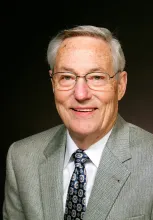
At the time of his retirement in 2016, Roy Holladay was serving the Operation Manager for Ministerial and Member Services of the United Church of God. Mr. and Mrs. Holladay have served in Pittsburgh, Akron, Toledo, Wheeling, Charleston, Uniontown, San Antonio, Austin, Corpus Christi, Uvalde, the Rio Grand Valley, Richmond, Norfolk, Arlington, Hinsdale, Chicago North, St. Petersburg, New Port Richey, Fort Myers, Miami, West Palm Beach, Big Sandy, Texarkana, Chattanooga and Rome congregations.
Roy Holladay was instrumental in the founding of the United Church of God, serving on the transitional board and later on the Council of Elders for nine years (acting as chairman for four-plus years). Mr. Holladay was the United Church of God president for three years (May 2002-July 2005). Over the years he was an instructor at Ambassador Bible College and was a festival coordinator for nine years.
