
Steve Shafer
This transcript was generated by AI and may contain errors. It is provided to assist those who may not be able to listen to the message.
I want to continue my series that I started a while back on—or I'll just give them part one— while I bore you on eagle's wings. The last time in part one we saw how Israel was conceived as a nation, and how God conceived Israel in a rather strange and rather maybe contradictory way at times, with some of the ways that the call came about. As we know, God called Abraham when he was 75 years old, told him to leave his country and go to a land that he would show him, where he'd make his descendants into a great nation. So God then took Abraham to the land of Canaan, and told him he was going to give him that land. This is going to be your land, the land of Canaan.
And God then caused a famine in the land of Canaan, and he had to go back to the land of—he took him to the land of Canaan. I said, cause a famine, then was forced to go out of the land of Canaan and back to the land of Egypt, if you will. And then he closed Sarah's womb so she couldn't bear children, and wasn't able to bear until she was past the age of being able to bear. Then he actually opened her womb so she could have Isaac, their son Isaac. And then about 20 years—and Isaac, maybe he doesn't say how old Isaac was, but probably about 20 years old or so, somewhere in that area—God tells Abraham to take his son Isaac up to Mount Moriah and offer him his a burnt offering. And at the very last second, he intervenes—God does—to spare Isaac.
Then, cause you know, then Isaac has Jacob and Esau, and Jacob has 12 sons. His name's changed to Israel. He has 12 sons, and they begin to grow and flourish as a family in the land of Canaan. And then his son Joseph is sold by his brothers and taken to Egypt.
Then through a series of miracles, Joseph is imprisoned, and then finally he comes out of prison and interprets Pharaoh's dreams, and Pharaoh makes him number two in command of all of Egypt. So Joseph, who was one day a prisoner, and the next day he's second in command of all of Egypt, by God's doing, obviously. God then brings a famine again on the land, which then forces—he has, of course, the dream was that it could be seven years of plenty and seven years of famine, and Joseph tells the Pharaoh to store up during the seven years of plenty and prepare for the seven years of famine. And then when the famine comes, about two years into the famine, it forces all Joseph's brothers and his family to have to go to Egypt for food. That's the only place there's food. And of course, they find out that Joseph's second in command in Egypt at that time. Then a generation later, they all become slaves in Egypt. All of Joseph dies and so on, and finally another Pharaoh comes on the scene who doesn't know Joseph, and they all, all the descendants of Israel become slaves in Egypt, and they have to cry out to God for great deliverance. God then responds to that by sending Moses to Pharaoh to man that he let Israel go, and of course, you know, then God brings about a series of ten plagues, and finally the tenth plague with the death of the firstborn, Pharaoh finally lets Israel go. And Israel's then born out of the womb of Egypt, if you will, with maybe those, you could liken those ten plagues to contractions to deliver Israel in that sense. But that's all Israel conceived as a nation up to the time that they're delivered out of Egypt, which raises some puzzling questions when you think about their conception and how they're born. Why would God force Abraham out of the land of Canaan to give him the land of Canaan? That seems like a strange way to do it. Why would God close Sarah's womb to open Sarah's womb? Why would God sacrifice Isaac in order to save Isaac? Why would God force Israel into Egypt to then deliver them out of Egypt? Why didn't just do everything they were there in the land of Canaan? Why didn't he bless them right there? Why did God do it the way he did? Why did God take away their freedom if you will and make them slaves in order to give them freedom? See, the whole process doesn't seem to make any sense when you think about it from a human perspective. And the whole process is to make a human perspective.
That entire process, as we're looking at this series of sermons, what one thing was difficult for God and why was it difficult for God? Why would anything be difficult for God? Well, we'll get to that in part three, but for today let's look at something else. Today I want to look at Israel's deliverance and birth as a nation. Last time it was the Israel's conception, how they were conceived, and then now we'll look at how Israel was delivered and how they were born as a nation. In Israel's time of birth was also accomplished in a very strange and kind of a contradictory way. So the title for my sermon here this afternoon is I bore you on eagle's wings part two. I bore you on eagle's wings part two, Israel's deliverance and birth. So let's take a look at Israel's birth as a nation, which then led to their deliverance out of Egypt. Their deliverance out of Egypt was led to their birth, I should say.
It was also riddled with contradictions and other puzzling questions. But the first thing to note, I want to take a look at here, is to realize because we're going to see that God led them out of Egypt in a rather strange way, in a way that's very puzzling. But let's first point we want to make is the fact that they knew that God was leading them. God was the one who was leading them. Let's go to Exodus 13 to start with. Exodus 13 and look at verses 21 and 22.
Exodus 13 verse 21, And the Lord went before them by day, and a pillar of cloud is led them out of Egypt, and by night in a pillar of fire, to give them light so as to go by day and night. So they were following a pillar of cloud by day and a pillar of fire by night. They knew that God was in that pillar of cloud and that pillar of fire. So they knew they were being led by God Himself. And it says in verse 22 that God did not take away the pillar of cloud by day or the pillar of fire by night from before the people. So it was God, not Moses, who was leading the way.
And you think, well, I mean, wouldn't you feel safe with God leading the way if you were there? And you knew it was God, and you were following God directly, and you knew He was in that pillar of cloud and pillar of fire. You think, wow, well, that's safe. We don't have any problems now. We know it's safe. We're going to be following God. I mean, this is a very important point because today God is leading all of us. He's leading His church, and He's leading and guiding and directing each and every one of our lives. He's aware of everything that we're going through. He's aware of our situation. He's aware of our trial. He's aware of our faults and weaknesses, our stumbling blocks. But God is leading each and every one of us, and He's leading His church. And we're basically on the same journey ancient Israel was on. We're on a journey to meet God, to meet God and to live with God in God's kingdom forever, for our greater journey, in a sense, than ancient Israel was on. It was ours, the spiritual journey. Now, we may not see the pillar of cloud by day, and we may not see a pillar of fire by night, but God is leading the way for each and every one of us, just as He was for ancient Israel. But as we'll see, God deliberately led Israel in a way that didn't make any sense to them. He allowed things to happen to them. He led them in a way that just did not make any sense. And you have to step back for you with Israel at that time and say, wait a minute, what is God doing? We shouldn't be going that direction. God should never allow this to happen. And you can see parallels even today. You could question, well, is God really leading His church? Is He really leading and guiding and directing my life? Why would He allow this to happen? Why would He allow things to go in this direction? See, so it's very important to realize that even though they saw God there, because of the way God led them, it didn't always feel safe and secure. In fact, as we'll see, you know, they questioned it very, very deeply that something was wrong in the way God was leading them. Because He led them in a way that seemed very contradictory, in a way that totally defied reason and logic. And I just want to quote a proverb here, a man by the name of Agar, A-G-U-R, in the book of Proverbs, which is Proverbs 30, verse 18, he mentions, quoting there, three things which he says are too wonderful for me, yes, for which I do not understand. And one of those four things which he said was too wonderful for him to understand without a great deal of help from God's Holy Spirit, my dad, in the mind of Christ, was, it says that God bore Israel's, excuse me, one of the four things which were too wonderful, he said, was the way of an eagle in the air. Proverbs 30, verse 19, he said, that's one thing that's too wonderful for me to understand is the way of an eagle in the air. And as we read in Exodus 19, when God led Israel out of Egypt, He says He bore them on eagles' ways. He led them the way of an eagle. And God led Israel out of Egypt in a way that is really too wonderful for us to understand without, again, like as I said, a great deal of help from God, God's Holy Spirit. But where was God leading Israel? And look, ancient Israel now, where was God leading Israel? What did God tell Moses? And what did Moses in turn tell the people of Israel? Well, God told them that He was going to lead them out of Egypt, didn't He?
Out of Egypt to where? Out of Egypt to the land of Canaan. If you put the map up here, if you got the map there, if you can put it up. And there were going to be two maps. I had a map, and I'm going to hold up this one map because I was hoping this would be the first map on the screen, because the map I have, and I'll just show it to you here. This is the one that should be on the screen now, but it's a map of modern Egypt. And it's very important. I don't think you have a modern Egypt in your Bible. You probably have ancient Egypt, but if you can look at a map of modern Egypt, I want to put this in the yellow here. The yellow is Egypt, which includes the Sinai Peninsula. I want you to understand that. The Sinai Peninsula is a part of Egypt. Now, the Nile River runs all the way down here. The Nile River is one of the longest rivers in the world. It's over 4,000 miles long. It starts down in Uganda, and you have upper and lower Egypt, and upper Egypt is down here. South is upper Egypt, and lower Egypt is up here by the Mediterranean Sea.
Because upper Egypt is higher in elevation than lower Egypt, because the Nile River runs from south to north. It runs from down here in Africa all the way through nine nations, up all the way through Egypt into the Mediterranean Sea. And if you had a map of modern Egypt, look at it there. The modern-day population of Egypt is a little over 80 million, and 98 percent of those 80 million people live along the Nile River in the Nile Delta, which is this area right here where it empties into the Mediterranean Sea, and they live along the Suez Canal, which covers this leg of the Red Sea with the Mediterranean Sea, the Suez Canal, right going right through Egypt there, just on the west side of the Sinai Peninsula. And that's where 98 percent of all the people live.
Now, I want to point out here, if I can, now this is a topographic map of Egypt.
So now the Nile River is over here. You can't see it here, but it runs like, what I say, from north, south to north. It runs this direction here, and then it's up here in the Mediterranean Sea, right over about here. And this is the Suez Canal right here. That's where the Suez Canal is. This is this leg of the Red Sea here, connected to the Mediterranean Sea. So most people live along the Nile Delta, which is right up in here, if this was expanded, and along the Nile River, or right here along the Suez Canal. And Egypt here, on this map, as you see, Egypt, of course, over here is Egypt. And all of the Sinai Peninsula, here's the border of Egypt right here. So this is all Egypt, modern-day Egypt, over here and here. Israel is right here. This here is a border of Israel. It goes right through there, goes right up there. That's the border of Israel, southern border of Israel. This is Jordan here. This is Saudi Arabia over here. This is the Gulf of Aqaba. This is the straits of Tehran, right down there, very narrow straits. It's very shallow in here, and it's very shallow right across here. This is the Red Sea, and this is the branch of the Red Sea. And also, the Gulf of Aqaba, obviously, is also a branch of the Red Sea. Now, in the time of, you know, Moses, as we know, when Israel was in Egypt, they were given what was called the Land of Goshen. The Land of Goshen, you can't see here, but the Land of Goshen was right up over in here, where the Land of Goshen was, in this part of, right just to the, actually just to the west of the Nile Delta, where the Delta area where the Nile empties into the Mediterranean Sea. Right over there was the Land of Goshen. The Land of Canaan was where Israel is here. It's right up in here. Here's Israel. The Land of Canaan was up in here. So to get from the Land of Goshen to the Land of Canaan, where God was going to deliver them out of Israel, out of the Land of Goshen, to the Land of Canaan, they had to go from here over to here. Now, in Exodus 1317, it says that the way, the logical way to go was the way of the land of the Philistines. That was close. Exodus 13, verse 17.
Well, the way of the Land of the Philistines was from right along here. That was the way of the Land of the Philistines, right there, right along the southern shore of the Mediterranean Sea. You go right from here, right over here, at the Land of Canaan was right up here.
So that was, that was a direct route. Now, there was a problem, and it's agreed to be there. It says, we didn't take them that way. They might see war. The reason you might see war, and the reason this is called the way of the Land of the Philistines, is because the Land of the Philistines was right here, between Egypt here, to get across the northern part of what is now called the Sinai Peninsula. Back at the time of Moses, this was not called the Sinai Peninsula. It was called the wilderness of Peram, this whole area here, back at the time of Moses. But to get from here over to here, along the way of the Land of the Philistines, you had to go through the Land of the Philistines, was right over here, was the Land of the Philistines, the Philistines lived right here. So you had to go through the Land of the Philistines to get to the Land of Canaan, right up here.
But where did Israel, where did he lead them? He led them in the wrong direction. He led them south. Instead of leading them over here, he led them down here. Now, it's interesting you can see here, you wonder, well, how do we know he led them that way? And I'm going to give you some information here in a moment. But if you look at this, this is a topographic path, and you see the Sinai Peninsula is very mountainous. See, this is all mountains in here, and this is all mountains down in here. This is all mountains. But there's a nice path along this area right down here.
This is where, and right down to here. This is the Gulf of Aqaba here, and undoubtedly where the interesting thing is, it's about 17 miles across this wide part here, this narrow part right here.
It's about only eight or nine miles across here, and right in this area, right across here, interestingly, there's an underwater land bridge. It's about a half a mile wide, and it's not very deep right there. But there's a land bridge where they could have gone across, and that's in doubt that they even found evidence that that is where they crossed.
But here's the thing. He was leading them out of Egypt, and when they crossed the Red Sea, they were then out of Egypt after they crossed the Red Sea, right? Well, even back in the time of Moses, all of this area here, this wilderness of Puran, was a part of Egypt. Now, the traditional Mount Sinai is right down about in here. But, you know, the problem is, if they go from the land of Goshen, and they go down here to Mount Sinai, where's the sea they're going to cross? Where's the Red Sea? There is no Red Sea. And not only that, if they go to this Mount Sinai here, guess what? They're still in Egypt. In fact, there were some mines down in here, back at the time of Moses, and the Egyptians had some people down there. Not many people lived here. It's very tall wilderness, but there were some Egyptians down in this area here around Mount Sinai area, where there was some mining going on. They had some Egyptians down there doing mining. So, obviously, it's a very contradictory thing. Why would God, you know, you can understand why they would get kind of concerned when they're being led to the land of Canaan, and God, all of a sudden, this pillar of cloud and pillar of fire, instead of going this way, it goes down here. And they end up down here, and all of a sudden, they're hemmed in. Like it says in Exodus 14, verse 3, I think it is. I'm getting into myself, I'm just trying to go by the top of my head. It says, the wilderness had closed them in. You can see by this map that the wilderness closed them in, the mountains closed them in, because they're down here. They can't go this way. It's all mountains. They can't go back here. It's all mountains. The only way they can go now is to go back the way they came. And guess who's here?
Pharaoh and his army. They're trapped. They've got no way to go. They're hemmed in. Hemmed in by the land, the mountains, the sea. There's water here, water here, water here.
They're trapped. God leads them into a trap.
You know, that's quite strange that God would do that. Now, where is the real Mount Sinai? I want to spend some time going a little bit else. Well, the real Mount Sinai, undoubtedly, is not here. There is a mountain right over here. Now, see all this right here? There's a big level area here where many, many people can camp. And there's a mountain right over here, which is called Jabbal Elaz by the Arabs. It's called Mountain of the Law. Jabbal Elaz means Mountain of the Law. And it's in Saudi Arabia today, and Saudi Arabia has that hemmed off. There's a very interesting book written by Larry Williams and Bob Koenig. It's called The Mount Sinai Myth.
And he shows the real Mount Sinai has to be in Arabia. In fact, Galatians 4 verse 25, the Apostle Paul says that Mount Sinai was in Arabia. This was never Arabia. Arabia is over here.
And there is a mountain over here that's called Jabbal Elaz, the Mountain of the Law, which is undoubtedly the real Mount Sinai. But the Bible identifies it as being in Arabia.
Now, I want to mention some other things here. I covered that. River Nile is over 4,000 miles long, goes through nine countries. One thing I want to give you is a little history here as well.
I could show a bit on this modern map, but I can do it on this map as well.
It's very interesting, a little modern-day history of Egypt and Israel. Of course, we know in 1967, those were back there that time. Remember that. So, odd of you were born after that. But they had what is called, in 1967, Egypt basically attacked Israel. And Israel retaliated very swiftly and very decisively. And in six days, they defeated the Egyptians. Israel did. It's called the Six-Day War. And when Israel attacked Egypt and won that victory in the Six-Day War in 1967, Israel then, this country right here, now, they occupied the Sinai Peninsula. They occupied that from Egypt. So, Israel had occupation of the Sinai Peninsula for a while. In 1978, Anwar Sadat was the president of Egypt. He did a very, very bold thing. He actually went to Jerusalem to meet with Menachem Begin, the prime minister of Israel at the time, and to try to work out a pre-negotiation. They ended up going over to Camp David at the invitation of President Jimmy Carter. And they met in Camp David for several days, and they worked out what is called the Camp David Peace Accords. And because they were able to work out that Peace Accord, actually Menachem, Begin, and Anwar Sadat both won the Nobel Peace Prize in 1979. And here's what they negotiated.
What they did was, Israel said, we'll give you back the Sinai Peninsula. We'll give Egypt the Sinai Peninsula back that we had took from you in the Six-Day War of 1967. We'll give you that back. If you'll give us security, and what they want is security. They want a security of the Suez Canal.
They want to be able to have their ships go up and down the Suez Canal and have protection from Egypt for doing that. Egypt says, we'll give you safety and protection to go through the Suez Canal. We'll also give you safety protection to go through the States of Tehran right here, which are very narrow straits. We'll give you... because Egypt's over here, and you've got Saudi Arabia here and Jordan here, Israel here. So you can see where it's advantageous to get to use the Straits of... Straits of Aqaba up here. So Egypt said, we'll give you security to go up and use the Suez Canal, security to go through the Straits of Tehran, and security to go up and use the Gulf of Aqaba to Israel right here. Because Israel comes down and meets right here at the northern part of the Gulf of Aqaba. So in exchange for getting the Sinai Peninsula back, Egypt guaranteed Israel's safety and protection for those three very strategic areas for shipping.
And so again, that was a major agreement they made. However, it didn't turn out too well, as we know, for Anwar Sadat. The Arabs didn't like... they didn't want Egypt to make any kind of concessions at all with Israel. And in 1981, I think it was, shortly after that, that Anwar Sadat, as you know, was assassinated.
But I want to mention something, because I have a book... Actually, this is Mr. Luker's book. He left. He didn't take it with him. It's called The Archaeological Study Bible.
And Evelyn was looking through it, actually, one day. She was reading through it. She said, well, this is really interesting. I've got some interesting facts in here. And it's a book that shows you how archaeology substantiates and verifies the Bible all the way through.
And it was so interesting, I went and bought my own copy.
Well, I want to read a couple things from here that had to do with the Exodus and all this we're talking about. They actually go in there and they say there's three theories as to where the Exodus occurred. One is the Northern Route theory, the Way of the Philistines, which is, you know, this theory here. They dismiss that in this book because they said God explicitly prohibited such a route in Exodus 13 verse 17. It says God didn't take them that way, even though that was close.
This other theory is a Southern Route theory to the traditional Mount Sinai down in here in the Mausai'in Peninsula. But it says that has some major problems. They didn't bring out in that study Bible that has some major problems because there's no Red Sea.
The only thing they have that they could cross, there's a little lake up here. It's called Lake. I've got it in here, my notes. It's called Lake, um, yeah, Sea of Reeds. It's enough to have another name for it, too. Well, the thing is it's too shallow for the Gypsies to be buried in there. And the other thing about this lake here, you could go around it. You don't need to go through it. You can go around it here, you can go through it, pass through it there. So, you know, that doesn't make sense.
They wouldn't have to go through it. The other thing is that, well, they went across at the, right here at the Gulf of Sinai Gulf right here. They call it the, um, uh, oh, oh, oh, oh, the Gulf of Suez.
This is called the Gulf of Suez right across there. But the thing is, why would they go across the Gulf of Suez? Why would they cross there when you can go on land here? Or land here? Doesn't make any sense. So, they say this has got some major problems with that was the southern route theories. They say to the traditional Mount Sinai, there really is no Red Sea, so to speak. They could go through where all the Pharaoh's hosts could drown. Then they said the third theory is the Arabian theory, which is that Mount Sinai is over here in Arabia, and they crossed the Gulf of Aqaba to get to Arabia, to get out of Egypt.
Because this is, this is the problem with this theory here is also that all this was still in Egypt. They wouldn't have been out of Egypt. They got to this Mount Sinai down here, which is called Mount Sinai today.
Here's what they say about the Arabian theory. The view that the Israelites traveled through Arabia is founded on two presumptions. The Mount Sinai was not in the Sinai Peninsula, but rather in Arabia. And the only body of water clearly identified in the Old Testament is the Red Sea, or Yom Supe, Y-A-M-S-U-P-H, is the Gulf of Aqaba, that the Red Sea that they crossed has to be the Gulf of Aqaba here, right in here, the Gulf of Aqaba. Also, what is now called the Sinai Peninsula, it says they'd bring out here, it was then Egyptian territory.
So if they'd gone to the traditional Mount Sinai, they wouldn't have been out of Egypt. But this theory says the journey would have to take them to the Gulf of Aqaba, across the Gulf of Aqaba, to into Arabia. And as I said, the Apostle Paul himself does say that Mount Sinai is in Arabia, Galatians 4, verse 25. Now, I want to mention what the archaeological Bible also says about the location of the Red Sea. It said the word Yom, the Red Sea in Hebrew is Yom-soup, Y-A-M-S-U-P-H.
So the word Yom means sea, and soup, S-U-P-H, means read. Read. So the Septuagint, however, translates soup as red. That's why it's red sea instead of reed sea. But it's unclear, they say, whether the reverence is to the Red Sea or to the reed sea. I want to point this out, because a lot of people bring this up and say, well, it's not the Red Sea, it's the reed sea.
Still, they say in the archaeological study Bible, still there is no evidence that people ever called anybody of water in the Suez region, this whole area here, the reed sea. There's no evidence there's anybody water that was ever called the reed sea, historically speaking.
It's the only specific term in the Bible. I'll give you this in a moment. The only specific term or the only specific use of yam soup, in the Old Testament that indicates this location is found in 1 Kings 9 verse 26, where the reverence is to the Gulf of Aqaba or on the eastern side of the Sinai Peninsula. Well, actually, 1 Kings 9.26 says, on the shore of the Red Sea or reed sea, however you want to read it, in the land of Edom.
So it tells you there that the Red Sea or reed sea borders on the land of Edom. Well, the land of Edom was never over here. The land of Edom was over here.
So the reference to the reed sea or red sea is being on the shore of the land of Edom, means it has to be this eastern shoreline here somewhere. So it shows that the reed sea can't be up some up here in this little lake area up here. So it has to be the Gulf of Aqaba. And 1 Kings 9.26 indicates that. So I'm just bringing out some of those points to make to you so you can understand, you know, a little bit about some of the historical background about what was going on and give a kind of picture portrayal of what it was. But it's strange that God would lead them from the land of Goshen up here to the land of Canaan up here, and then He would take them this way to go across here. You know, that's the wrong way to go, wrong direction. Why would God lead them that way? Because obviously there's no way out of... when you go down here, and this is still Egypt, you go down this way, there's no way out of Egypt leading in this direction. Not by any human means, anyway. That's going in the wrong direction. That leads them to becoming trapped, which they would have been trapped right down about in this area down in here. They got trapped. Got Pharaoh and his armies back here. They can't go back that way. They got mounds here hemming them in. They got water here, here, here. They're trapped. So, and also that's why, since they were still in the land of Egypt going down that direction, so why Pharaoh could pursue Israel without giving the impression he was inventing another country because he wasn't leaving his own country. He was still in the territory that was occupied by Egypt even back then, as it still is today. But the thing is, the Bible says, that's what the Bible says. But the south end of the Sinai Peninsula, today the Sinai Peninsula, where God led them to, said they were surrounded by water, Exodus 14.3, and the mountains had hemmed them in. The wilderness had hemmed them in on all sides of the mountains. There was no way back, but the way they came, they couldn't go back that way because Pharaoh and his armies were pursuing them. So that just shows you. You get a little pictorial view there of why, and the strange it was in the way that God led Israel out of Egypt, so they could become the nation of God. So it doesn't make sense the way God led them. And there's no way for them to then get into the land of Canaan, except for going across the Gulf of Aqaba, going up this way eventually. And, you know, there's no way to get across there unless you were born. You could fly across, and they couldn't fly. There were no planes or helicopters. But God did bear them on eagle's wings, it says, and He took them in a place in a way that they couldn't have gone themselves.
Now, there's several contradictions. I want to point out some contradictions in what God did here. Let's go to Exodus 13, verse 17. We've referred to it several times, but let's turn there. Maybe you already have. But Exodus 13, verse 17, says, It came to pass when Pharaoh had let the people go, that God did not lead them by the land, the way of the land of the Philistines. He didn't go this way. Although that was close. And that was near, it says. For God said, and this is what He said, this is the reason He gave, lest perhaps the people change their minds when they see war and return to Egypt. They go the way of the land of the Philistines, they get here to the land of the Philistines, and they're going to run to the Philistines, a very warlike people. It says, well, they're going to get to the land of the Philistines, they're going to see war, and they're going to turn around and go back to Egypt. Can't have that.
So that's a contradiction. But in the latter part of verse 17, God said He wasn't going to lead them out of Egypt by the way of the land of the Philistines. He said, let's perhaps say, see war and return to Egypt. And yet, here's a contradiction. And the way He led them, the way He led them down here, across the Gulf of Aqaba over here to Arabia, guess what happened when they got here into Arabia? They saw war anyway, didn't they?
And they actually encountered a people that was far more warlike, far more hostility toward Israel than the Philistines. Who did they run into? They ran into the Malachites. They were the worst warlike people at the time. There was nobody worse than the Malachites.
So He said, I don't want you to go this way because you might see war if you go this way. So I'm going to take you this way over here so you can run into the Malachites.
Not only now they're running into the Malachites, down here, if they run into the Philistines, what can they do? They can go back. Over here, now what do you do? You can't go back.
You got to fight them. There's nothing you can do. You can't go back to Egypt from here. You're stuck. Now all you can do is fight the Malachites.
So God had them face war anyway with a far worse foe than the Philistines would have been. And they were also in a situation where they had to fight them because they could not go back. They had to fight. And yet Israel was no match for the Malachites. They were just a bunch of freed slaves. Malachites were very warlike people, had weapons, and so on. They were skilled in warfare. How then did Israel prevail? Let's turn to Exodus 17.
Because there are some important lessons we can learn from this. Exodus 17, beginning in verse 8. Now Amalek came and fought with Israel, an effigy. And Moses said to Joshua, Choose us some men, go out and fight with Amalek.
Tomorrow I will stand on the top of the hill with the rod of God in my hand.
So Joshua did his, and Moses said to him, and he fought with Amalek.
And Moses and Aaron and Er were up on the top of the hill. And so it was when Moses held up his hand that Israel prevailed, and we let down his hand, Amalek prevailed. But Moses' hands became heavy and wary, so he took a stone and put him under it, and he sat on it. And Aaron and her supported his hands, one on one side and the other on the other side, and his hands were steady until the going down the sun. So Joshua defeated Amalek and his people with the edge of the sword.
So it's two things that in order for Israel to defeat Amalek. Number one, it says here, it took the rod of God. It took the guidance and the power and intervention of God. It took the power of God to do it. They had to rely on the power of God. They had to have the help of God. There was no other way. Number two, it's interesting, they had to hold up Moses' hands, didn't they?
It took supporting the hands and the leadership that God provided, which was Moses. They had to support that leader that God provided.
So in other words, it took upholding one another against a common enemy. They had to all be in it together, upholding one another. And I think you can see some spiritual lessons for us today, if you think about it. But getting back to the first contradiction, you know, God led them in the wrong direction. Why would God lead them south when they needed to go north, northeast, and he'd lead them instead of them south and then east, rather than going just northeast, right there directly to the land of kin? Why would he do that? That was a contradiction. And again, a second contradiction then is what happened almost immediately after they left the land of Goshen? Well, Acts is 14. Let's go back to Acts 14 and pick it up in verse 4.
After, maybe they left the land of Goshen here, and they started heading down here. What happened? Verse 4, Acts 14, we've done this, why have we let them go? We shouldn't have done that. So he made ready his chariots, verse 6, and took his people with him, took six hundred choice chariots and all the chariots of Egypt with captains over every one of them. And verse 8, And the Lord hardened the heart of Pharaoh, king of Egypt, and he pursued the children of Israel, and the children of Israel went out with boldness. So the Egyptians pursued them, all their horses and chariots, and his horsemen and his army, and overtook them camping by the sea. He only took them probably down in this area down in here somewhere. And now they're trapped. They can't go back. The mountains are hinged by the mountains. They can't go back. They can't go over across the water. They're trapped. So God not only sends them in the wrong direction, he then, as it says here, hardens Pharaoh's heart so Pharaoh pursues him. But I want to comment on this for a moment because some people pointed something out when I gave this in Seattle on a very important point where, from verse 4, here in Exodus 14, where it says, I will harden Pharaoh's heart, which is also stated in several other verses previous to this. But it's also true. I think about this important point and lesson from this. It's also too that Pharaoh hardened his own heart against Israel. And there's a number of verses that say that, that Pharaoh hardened his own heart. I'll just give them to you. One is Exodus 7 verse 22. Another one is Exodus 8 verse 15.
Exodus 8 verse 19 and Exodus 8 verse 32, where says, Pharaoh hardened his own heart. So which was it? Did Pharaoh harden his own heart or did God harden Pharaoh's heart? Or was it a combination of both? Very interesting. I have a Bible Explorer program that has many, many commentaries on there. And it's very interesting what Wesley's commentary says in this regard. In commenting on Exodus 9, 12, where it says, now the Lord hardened Pharaoh's heart. This is Wesley's commentary's comment. He says, before Pharaoh had hardened his own heart.
And now God gives him up to his own heart's lust, to his own strong delusion, permitting Satan to blind and harden him. Then he makes this statement. He says, willful hardness is commonly punished with judicial hardness. But the lesson I got from that is this. If we harden our own hearts against God, God will give us over to pursue our own heart's desires to our own destruction. And that's, I think, what happened to Pharaoh. Pharaoh hardened his own heart, and God allowed him to pursue his own heart's desire and to pursue Israel to his own destruction. I think that's the sense in which God hardened Pharaoh's heart. At any rate, here in Exodus 14, immediately after being freed and led by God in the wrong direction, God allows Pharaoh to follow the dictates of his heart and to pursue Israel with his armies to the destruction of Pharaoh and his armies.
But why would God allow that? Why would God allow Israel to then be pursued by Pharaoh, however that came about? See, first God leads him in the wrong direction.
Then God allows Pharaoh to pursue them with the most powerful army in the world at that time.
That leads us to a third contradiction. What happened as a result of being led in the wrong direction with Pharaoh pursuing after them? Well, as we see, as we've already seen here, they got trapped, but it tells us that in Exodus 14, the first three verses, Exodus 14, verse 1, the Lord spoke to Moses, saying, Speak to the children of Israel, that they turn, turn south, as they did, and camp between Pahairoth and Migdol by the sea, opposite Baal's ephon, you shall camp before it by the sea, for then Pharaoh's going to say, verse 3, God's leaving this specifically direction where Pharaoh's going to say this. He's going to say to the children of Israel, They're bewildered by the land. The wilderness has closed them in. You've got mountains here. They're closed in. I'm here. Pharaoh's here. The wilderness has closed them in. They're closing by the land. They can't go this way. They can't go another route. They can't go into here. It's all mountains. They can't go back, and they can't go across the sea. Pharaoh thinks he's got them. They're trapped. He's going to recapture them and take them back captive again or kill them, one or the other. So God deliberately and purposely led them into a trap with seemingly no way out.
It appeared they were doomed. It appeared they were all either going to be slaughtered or taken back into captivity again. They couldn't go back because Pharaoh and his army were there, and they couldn't go forward because they couldn't go back another way. They're mountains there, and they couldn't go forward because the sea was there. So they were stuck with no way out.
And yet God had a great purpose in all of this. Purpose has a direct spiritual bearing on all of us because it's out of all these contradictions and out of this impossible situation that the nation of Israel was born. So let me out then ask this. What is the spiritual significance of all this for us today? What does all this have to do with us today? What can we learn from this? What does God want all of us to learn? Well, I think it teaches us two vitally important aspects of our calling, the calling that God has given us.
Israel was in a situation in order to be delivered, in order to become a nation of God's holy people and to meet with God, they couldn't go back. That was the first thing. Once they got down here, he got in a situation where they got down here where they couldn't go back. They could only go forward. They couldn't go back. And you stop and think about it. When God called us and gave us opportunity, he gave us, you know, really, we don't have but one choice. We have to keep going forward. We can't go back. Israel couldn't go back and neither can we. I think that's the first lesson. Israel couldn't go back and we can't really go back either. Once we commit ourselves to God and to God's way and to God's guidance and direction, no matter how difficult it gets or what kind of situation we find ourselves in, there should be no turning back. Let's look at a couple scriptures that illustrate that. One is Luke 14. Luke 14, and I won't go through all this, but verses 26 through 35, where basically, you know, well verse 25, go back to verse 25, Moses were following him and they were all kind of multis are following Christ. But he realized, you know, they're following me right now because I'm feeding them, I'm taking care of them, I'm healing them. But he says, you know, they don't really understand what it means to follow Jesus Christ. So he said in verse 26, if anyone's going to come to me and follow me, you better love me more than anybody in your own family. You better love me more than your father, your mother, or your sister or brothers. Because if you don't, you can't really follow me. If you don't love me more than anybody else, you can't love any person come between me and you. And then he says, verse 27, whoever doesn't bear his cross, well, you're going to have problems, you're going to have difficulties, you're going to find yourself in an impossible situation just like Israel.
Well, you don't know any way out when you can't see the light at the end of the tunnel.
But he says, you still have to keep following me.
And if you don't bear your own cross, whatever burden that might be, and bear it and hold on to it and still follow me, then you can't be my disciple. He says, which of you are tending to build a tower? You tend to do something. You don't count the cost first. My view will stick with this no matter how difficult it gets, even though it doesn't make any sense what God's allowing me to go through. He says, you better count the cost first to see if you can finish it. And he talks about going to war in verse 31. You're going to be in a spiritual battle for your eternal life.
And the odds are going to be stacked against you. Because you've got an enemy out there, a spiritual enemy you can't even see who's trying to get to you every single day to trip you up, to get you discouraged, to get you to turn around and go back into the world. He says, you better realize that you're going to have to fight that enemy and win, even though he's much more powerful than you are. In other words, you're going to have to rely on the power of God to fight this enemy, because you're not going to battle them with your own power. So he goes through this and the whole thing, you're counting the cost. What's it going to take? Let's go back to Luke 9, verse 57.
Luke 9, beginning in verse 57, it says, it happened as they journeyed on the road that someone said to him, well, Lord, I'm going to follow you wherever you go. I'm going to follow you wherever you lead me, he said. Well, you know, look at where he led Israel. Some of them began to doubt following God.
But Jesus said in verse 58, Foxes have holes and birds of the air have nests, but the Son of Man has nowhere to lay his head. You may not realize what that means to follow me wherever I lead you.
You may find out there's some things that are going to be pretty difficult.
And you've got to realize that once you start following me, there's no turning back, no matter how difficult or impossible the journey. Verse 58, verse 59, he said to another, follow me, but he said, Lord, let me go first and bury my father. And Jesus said to him, verse 60, let the dead bury their own dead, but you go and preach the kingdom of God. Now, going to a funeral was not the problem here. The problem was that this individual did not want to let go of his family ties to follow Christ. He had other things in his life that were more important, that took precedence. We can't have anything that is more important. You can't have other people or other things. Verse 61, another said, Lord, I will follow you, but let me first go and bid them farewell at my house. Again, there's nothing wrong with that on the surface. But the same case here, problem was, Christ discerned, this individual wanted to put his family ahead of his commitment to follow Christ. You can't put something else before that commitment. So he said in verse 52, no one having put his hand to the plow, making that commitment to follow me, and looking back is fit for the kingdom of God. We can't look back. We can't go back. Israel got in a situation where they couldn't go back. And you think about that spiritually, we're in the same situation with the calling God has given us. We can't go back.
What would happen if Israel had turned back? What would they have faced? What would they would have faced either death or being re-enslaved to Egypt when they would have died as slaves?
And if we turn back, we're either going to face dying eventually or we're going to be come enslaved to the world again, just like we were before. We'll become slaves again to the world, the world system, and to Satan. But even if that happens to some, God in his great mercy and power, he can work things out in the long run. I'm sure he will. But it might mean they might have to go into tribulation or maybe even come up in a second resurrection. I don't know. But as Christ put in his message to the Church of Philadelphia, he said, hold fast what you have that no one may take your crown. That no man can take your crown. Because if we turn around and try to go back, we may not lose that on eternal life. The guy can still work that out. I think he will. But we might lose the crown that we could have had otherwise, the position that God might have in store for us. So the first spiritual lesson for all of us in this is, Israel couldn't go back and neither can we. Now the second lesson is, Israel also, they got down here, here they are, they can't go back, but guess what? They can't go forward either! Because there's water here, where do they go? How do you go forward? At least not by any human means. God told Moses in Exodus 14.3, for Pharaoh will say of the children of Israel, they are bewildered by the land, the wilderness is closing them in.
But just when things looked impossible, God gave them another contradictory command. Here is the impossible situation Israel faced. Let's go back to Exodus 14, beginning in verse 9.
So the Egyptians pursued them, all the horses and chariots of Pharaoh, his horsemen, his army, and overtook them, but it can't be by the sea. And when Pharaoh drew near, the children of Israel lifted their eyes, and behold, the Egyptians marched after them, so they were very afraid, and the children of Israel cried out to the Lord. But then the children of Israel were afraid of the Lord. But then they cried to Moses and said, because there were no graves in Egypt, have you taken us away to die? That's interesting. They cried to Moses. Now they knew God was leading them, didn't they? They saw the pillar of fire and the pillar of cloud, but guess who they blamed? They blamed Moses. They blamed their human leader. Why have you led us this way, Moses? Well, Moses wasn't leading them, it was God that was leading them. But they said to Moses, behold, there were no graves in Egypt. Why have you taken us away to die in the wilderness? Why have you dealt with us to bring us up out of Egypt this way? Is this not the word that we told you in Egypt? Saying, let us alone, then we may serve the Egyptians? No, that wasn't what they said, but that's what they're saying now. For it would have been better for us to serve the Egyptians than we should die here in this wilderness, because they knew they were trapped. And they knew that it was God who led them into the trap, but they blamed Moses, because it's easier to blame a human leader than to blame God. Then God threw Moses at this, in Exodus 14 verse 13. And Moses said to the people, or God threw Moses, tells them, he says, Be not afraid, stand still, and see the salvation of the Eternal which he will accomplish for you today. For the Egyptians, whom you see today, you shall see them again no more forever.
You know, Israel thought it was all over for them. They thought it was the end of the road for them.
They thought that was it. But here God tells them it's not all over for Israel, but it's all over for the Egyptians. The Egyptians are the ones at the end of the road, God says. Man, you better worry. You just click. Then you're not back here in the army of the Egyptians, because it's all over for them. They're goners. Now, how's that going to happen? The guy says the Egyptians were at the end of the road. But how could that be? Well, because God was going to bury Israel on eagle's wings and cause them to soar where they themselves could not soar and go where they themselves could not go. He was going to open the Red Sea. Well, they could cross probably here somewhere right in this area here, just in the Gulf of Aqaba, where it was a fairly short distance across here and where there's a natural land bridge under there. When the water's turned up, you could walk across there. It's about nine miles, so all the Egyptian armies get in there and the water's crashing down and they all drown. With Israel safe on the other side over here.
But he says, verse 14, I should say, the Lord will fight for you and you shall hold your peace. And the Lord then said to Moses, why do you cry to me? Tell the children of Israel to go forward. They couldn't go back, but he says, go forward. They're right here. How do they go forward? There's water there. But he says, go forward. And of course, we know what happened. God opened up the Red Sea and they were able to go forward, where it was impossible to go forward before. What required for them to go forward? What required the power of God?
What was required for Israel? They said to stand still and see the salvation of God. What does that require? It requires faith. Faith in the power of God and faith in His promises. That's what it requires of us. Faith in God's ability to lead and guide His people wherever He's taking them and to go through obstacles and situations that would be impossible to go through without God's power and miraculous intervention. It requires faith that God knows what He's doing, even though it makes absolutely no sense to us. We try to look at it from a human perspective.
Let's look at Romans chapter 1. A couple more scriptures here before we close. Romans 1 verse 16, where Paul says, I am not ashamed of the gospel of Christ, for it is the power of God to salvation for everyone who believes. Who believes is the power of God and believes that God knows what He's doing, even though it doesn't make any sense to us. For the Jew first and also for the Greek.
For in it, in the power of God, the righteous of God is revealed. From faith to faith, as written, the just shall live by faith. It takes faith. What is faith? Hebrews 11 verse 1.
Faith is a substance of things hoped for, the evidence of things not seen.
What do you mean? The evidence of things not seen. What evidence?
And who demonstrates that evidence? Who lived by faith to demonstrate the evidence of things they couldn't see in advance and figure out in advance? Who lived by faith to see the evidence of the power of God, to demonstrate the power of God under overwhelming odds and impossible situations? Hebrews 11 verse 8. By faith Abraham obeyed when he was called out to go to the place which he would receive as an inheritance, and he went out not knowing where he was going. He had no idea where God was going to lead him and how he was going to get him or where he was there.
By faith he drove him a land of promises in the foreign country, doing intense with Isaac and Jacob. And he waited for the city which has foundations, whose builder-maker is God. He had patience trusting God to work things out. By faith Sarah herself also received strength to conceive seed, and she bore a child when she was way past the age of childbearing, because she judged him faithful who had promised. God made a promise, somehow God was going to be able to fulfill it, even though it seemed impossible and was impossible humanly speaking. Verse 12. Therefore from one man and him as good as dead, Isaac, you know, being as good as dead when Abraham was going to bring that knife down and offer him his a burnt offering, from one man and him as good as dead were born as many as the stars of the sky and multitude in nubil as a sand which is by the seashore. Verse 17. By faith Abraham, when he was tested, offered up Isaac, and he had received the promise, offered up his only begotten son, whom it is said, in Isaac your seed shall be called. Concluding, verse 19, that God was able even to raise him up from the dead. If God allowed him to kill him, God had the power to raise him back up. Verse 23. By faith Moses, when he was born, was hidden three months by his parents because they saw he was a beautiful child, and they were not afraid of the king's command.
They were more afraid of God than they were afraid of the human king, what he might do.
And by faith Moses, when he became of age, refused to be called the son of Pharaoh's daughter, even though he had all the riches and wealth of Egypt and comforts of Egypt.
Choosing rather to suffer affliction with the people of God than to enjoy the passing pleasures of sin, esteeming the reproach of Christ greater riches than the treasures in Egypt. For he looked to a spiritual reward at the end of his life that we also all do. And so by faith then, in verse 27, he forsook Egypt, not fearing the wrath of the king. For he endured seeing him who was invisible.
And by faith he kept the Passover and the sprinkling of blood, thus he who destroyed the firstborn should touch them. By faith, verse 20, they passed through the Red Sea, as by dry land. Whereas Egyptians, attempting to do so, were all drowned.
And it was by faith they moved forward, when God said move forward, when it was impossible to move forward. Now, where are all these people now who live by faith? Have they yet received the promise of eternal life in the kingdom of God? Verse 39. And all these, having obtained a good testimony through faith, did not receive the promise. They had not yet received the promise yet. They all died.
Will they still be able to move forward even after death? Will they still be made perfect? Verse 40, God having provided something better for us, that they should not be made perfect apart from us. So even in death, they will still move forward into the kingdom of God, as will all of us, as long as we never look back, and as long as we never turn back, as long as we keep moving forward, trusting God, regardless of what the odds seem against us. Now, in conclusion, then, there's still one more vitally important lesson to learn from all of this, from God's deliverance and from ancient Israel's response to that deliverance.
You stop and think about all this that you read about here, and we're describing. This is all really relatively easy. Well, I wouldn't say relatively. It was easy for God. God's all powerful. It's easy for God. It was difficult for Israel because it didn't make any sense to the Israel, and because they were powerless to bring about their own solutions to the problems and dilemma they found themselves in, they were powerless. They had to totally rely on God's power, so that made it difficult for them. It didn't make any sense, but it wasn't difficult for God.
God knew what he was doing, and God knew that he had the power to get them where he was going to take them, and the way he was taking them. God had it all figured out. He knew exactly what his plan was and how he was going to get them there, and he had the power to carry it out. But there was one thing that was difficult for God in all of this. You stop and analyze it, and there was a very good reason why it was difficult. And when it comes to all of us today, this one thing is still difficult for God. So next time, as we conclude this series, and I bore you on eagle's wings, then we'll look at the one thing that was and still is difficult for God. But we'll look at that next time when we complete this series, and we complete the Israel Countdown to Pentecost, if you will, when God bore them on eagle's wings.
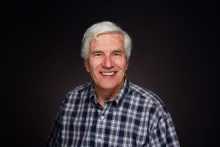
Steve Shafer was born and raised in Seattle. He graduated from Queen Anne High School in 1959 and later graduated from Ambassador College, Big Sandy, Texas in 1967, receiving a degree in Theology. He has been an ordained Elder of the Church of God for 34 years and has pastored congregations in Michigan and Washington State. He and his wife Evelyn have been married for over 48 years and have three children and ten grandchildren.
