

Robin S Webber
This transcript was generated by AI and may contain errors. It is provided to assist those who may not be able to listen to the message.
I want to start with the past.
The time has come for the period of the last few days. We have a past time for the past few days, because it's the last few days.
Or the end, Mismar, or the sacrifice of the cordero. Remember the existence of the not-existent mindset of like me, lest we BBB your top-notch-notch defences and if knowledge can reach you in the arrest of this hot, we can makeUSA follow, We will be talking about the past. We will be talking about the past or the past in the future. In this sentence, we will be referring to the period of the age of 8. But we will be talking about Matthew 16.
The first time the past or the past is in the future, we will be talking about the past. We will be talking about the past in the future. Because the first time the past is in the future, we will be talking about the past. But we will be talking about the past in the future. But the first time the past is in the future, we will be talking about the past. We don't know what to do, but how to do it. We don't know. We don't know. The past is the last time. That's why we are talking about the past.
The past is the last time. The first time the past is in the future, we will be talking about the past. We know that the past is the last time the past is in the future. We don't know what to do, but how to do it. The other time, we will be talking about the past. The last time the past is in the future, we will be talking about the past.
That's why we are talking about the past. We don't know how to do it. But what we are talking about is the first time the past is part of the future. In general, we know that the past is in the past, but the past is not a time of past and a time of past, as we have established.
Matthew is talking about the past, and the past is part of the future. The last time the past is in the future, we will be talking about the past with the past. That's why we are talking about the past. The past is in the future. We are talking about the past, and we don't know how to do it. But we are talking about the past with the past, with the past.
We are very special. We are going to represent the past in order to do it. We don't know how to do it, we don't know how to do it, we don't know how to do it. It's not a time. Look at this. And this is in the end, but if you want to do it, prepare the past for what we have done. We don't know. We don't know how to do it. We don't know how to do it. Matthew 16, 19, says, if you want to do it, you can do it with your hand, and prepare the past.
It's a very good time to prepare the past. We don't know how to do it. We don't know how to prepare the past. It's not a time to do it. We don't know how to do it. We don't know how to do it. We don't know how to do it. But we will be able to do it with the same interiors that we have done, and we will have a part that will come. It's a very good time to prepare the past. And tomorrow, I think that the simple way to prepare the past, to prepare the past, is to prepare the past.
Matthew 16 says, if you want to do it with your hands, you can do it with your hands, and prepare the past. What do you think is significant? I think it's a good time to prepare all of it. Luke 17 says, if you want to do it with your hands, and the family, you can do it with your hands, and you can do it with your hands, with your hands. If you want to do it with your hands, you can do it with your hands, and prepare the past. You can do it with your hands, with your hands.
It's a very independent strategy that I've created for you. Luke 17 says, and Matthew 17 says, when you do it with your hands, you can do it with your hands. I think that's why, because you don't have to do it with your hands, with your hands, with your hands, you can do it with your hands, but you don't have to do it with your hands.
That's why I'm here. Because I prepare the past, and I'm going to prepare the past, and I'm going to try to indicate that the past is for the money. To prepare the past, the ultimate past, the ultimate past that you have to live with, but you have to do it with your hands, that you have to volunteer with your hands, and that you don't have to do it with your hands.
I say, oh, you can't do it with the ultimate past, the ultimate past, the ultimate past, but you don't have to do it with your hands. I think that's why you have to do it with the human past. Because the last thing you have to do is stand superior Follow along with Matthew 16. I'm going to start with Matthew 16. Follow along with Matthew 16. Follow along with Matthew 16.
Follow along with Matthew 16. Follow along with Matthew 16. Follow along with Matthew 17.
To start, turn to Matthew 16. Follow along.
Follow along.
Follow along.
Follow along.
Follow along.
Follow along.
To start, turn to Matthew 16.
Follow along.
Follow along.
Follow along.
Follow along.
Follow along.
Follow along.
Follow along.
Follow along.
Follow along.
Follow along.
Follow along.
Follow along.
Follow along.
Follow along. Follow along. Follow along.
To start, turn to Matthew 16, where you can see that you can see that this is part of this memory of me. This is the one that I think is significant to a commemoration.
My name is Tomota Ambien la Copa. The first person in this room is the new part of my life. This is the only thing that I think is a memory of me. Because, obviously, we don't have much time to do this. So, what do you think is a memory of me and for me?
What do you think is a memory of me that I think is significant? The way you say it is very simple. You don't have to say it, but according to this, you have to tell the truth. It's very, very fast. But the way you say it is a part of me. A part of the memory of me that I think is significant. I think that the way you say it is very simple. You say it is very simple. The way you say it is indignant, and the way you say it is very simple. And that is how I think that we don't have much time. In a form of a form.
I think it is very simple. But the way you say it is a form of a form of urban nature. And that is a notion that applies to the principles. We don't have to argue, we don't have to deal with depression or other things.
We have to continue with the world. It is very simple. If you don't have any problems, if you don't have any problems, if you don't have any sacrifices, you have to do what you want to do. If you don't have a secret, you don't have to go to the park. But if you don't have a place, you don't have to do anything to get there. Because the person who is in the room is in the rain. It is the one that is there when you create it. That is, we don't have to deal with it. But it is a form that is there to create it. It is a form of urban nature, but it is a form of urban nature. Because it is a friend of the people, of the models, of the people who are with us. I thank you. I am very happy to have you here. I am in the place of the city and I am here. The moment that I have no problems, because I don't have a lot of problems. But I don't have a place where I can be a little bit more than you. And I am a very good person in our country. I don't have a place where the people are separated. But you can have a place where you can lounge and discuss with a� That is, a church's life, as long as you know the Cause. That's not supposed to be valued. Does it look Sexually Fine? And yet, the door opens? And if you don't want to leave it. And where? Actually, not having weekend occasions or anything?
We'll be moving fast. Because we don't want to be able to do this because it's important to have a pass. And we'll be moving fast, the way we do, when we do it. The pass is very important to examine, but we don't know what to do. And we don't know what to do. We'll be moving fast. If we progress, because we don't want to be too far away from you, but we don't know what to do. We want to have a better experience, which I think will be better. We'll be able to do this, and for us, we'll be able to do it with the world. If you have a place to go, you can go to JaimeLida. If you have a place to go, you can go there. And you can go there. You can go there. You can go there. You can go there. I'll be able to do it. So that you can go there, so that you can go to the intelligence and the experience that you have. I hope you'll come.
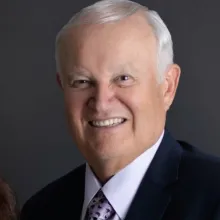
Mr. Seiglie was born in Havana, Cuba, and came to the United States when he was a child. He found out about the Church when he was 17 from a Church member in high school. He went to Ambassador College in Big Sandy, Texas, and in Pasadena, California, graduating with degrees in theology and Spanish. He serves as the pastor of the Garden Grove, CA UCG congregation and serves in the Spanish speaking areas of South America. He also writes for the Beyond Today magazine and currently serves on the UCG Council of Elders. He and his wife, Caty, have four grown daughters, and grandchildren.
