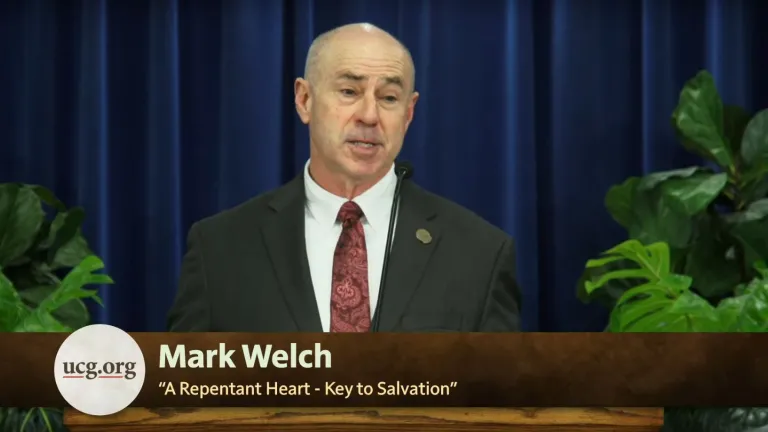


Jorge de Campos
This transcript was generated by AI and may contain errors. It is provided to assist those who may not be able to listen to the message.
We have, in the previous presentation, we saw that our only hope is God's kingdom. And we asked the question, what is it that we must do now? And the answer is, we gotta say yes to God. You and I cannot say no to God. And God is calling us for us to change, for us to be His children. He only loves us, and He only wants our best. And so, He wants us there, in that kingdom, in His government, in His family, in His ruling family of the universe. Yes, initially, for a thousand years, just on planet Earth. But beyond that, into eternity, into the whole universe, into the new heaven and new Earth. And that position that you and I have been called for, as the very top echelon of God's government. The first fruits of God. It's a special calling. It's a special calling. And God has called you and I to be there. All that you and I need to do is to say yes to God and repent. So, who will be in the kingdom of God?
As we read in Corinthians 15, verse 50, it says, flesh and blood cannot inherit the kingdom of God. Now, granted, in a millennium, there will be physical human beings. Our children, children and great-grandchildren, and great-great-great-great-great-great-grandchildren will be there. They will be flesh and blood. They will live under the government of the kingdom of God. But they will not be the kingdom of God because they are flesh and blood. Flesh and blood will not inherit the kingdom of God. So, in the world tomorrow, in the world beyond today, there will be two types of beings. There will be physical human beings that are being governed by the other type of beings, which are spirit beings, which will be you and I, which will then be in the kingdom of God. That's why it says all the nations will then go to Jerusalem to the kingdom of God, where the government is of those spirit beings. And yes, they'll go to all the nations and teach. You and I are called for that special job when we're resurrected, when we are in the first resurrection. But the question is, how can you and I prepare now to be in that kingdom? Because God is calling you and I to be there. And as it reads, for instance, in Acts, when people realized they had killed the Messiah, when Peter explained to them, it kind of hit their head, and suddenly they said, What shall we do? Brethren, that's the question you and I need to have. What shall we do? What is our responsibility? Because Jesus came to preach the gospel of the kingdom of God, and he said, Repent. Christ's message was one of repentance. Jesus began to preach and said, Repent. Christ's message was one, obviously, of the kingdom of God, but one that to be in the kingdom of God, you and I have to change. So it is very important for you and I to fully comprehend what repentance is. We must not misunderstand what repentance is. It's crucial. In Matthew 3, when John the Baptist said, Repent to the Pharisees, and they said, Well, I want to be baptized. John the Baptist said, No, I can't baptize you. You've got to bring fruits of repentance.
We in the Church of God are very careful about who we baptize because we want to make sure the people bring fruits of repentance. It's not just how well we'll just... You want to be baptized, we'll just put you under the water. No. So we've got to make sure that there is a genuine commitment. And we've got to make sure they are fruits. Because if you and I don't bear good fruits, as it says, we'll be thrown into the fire. In other words, the Gehenna fire. In other words, the second death. Really, there's only two options. You and I either repent, and you and I are given a chance now. The rest of mankind will be given a chance later. But once you have that chance, you either do it, or it's Gehenna fire. Or it is the second death. That's the reality. So, have you repented? How do you know? Do you really know? And what we need to do is to examine ourselves and make sure that we are indeed repentant. We need to make sure that we have indeed changed. But there is one little snag in this thing. There is one little snag in this thing. Oh well, we can say it's Satan. Or it's easy to blame others. Oh well, you see, in many organizations, when a manager thinks they are going wrong, they blame the previous manager. When things are wrong in the government, they blame the previous government. That's nothing new. When things went wrong with Eve, oh well, it's the serpent. Or whatever. And the man said, oh well, it was this woman that you gave me. You and I need to take responsibility for our actions. We can't say, oh, it's Satan's fault. Oh yes, it's his fault. Yes, he's going to be punished for it, as we know. That's the meaning of a term. But you and I are accountable for our actions. You can't point the finger and blame somebody else. So the real problem is in you and I. The real problem is in us. As Jeremiah 17 verse 9 says, your heart, my heart, is deceitful above all things and desperately wicked. That is the not, the basic essence of the problem. It's in us, in you, in me. We've got a deceitful heart which is desperately wicked. Oh, you may think, no, not me. I'm such a nice guy. I'm such a nice girl. No! We need to do a self-analysis. Examine yourselves. In Romans 3 he says, there's none righteous, no, no one, except me. Well, of course not. There's none righteous, none, which includes you and I. There's none that seeks after God, which includes you and I. All have turned aside, which includes us. There's none that does good, no, not one. And the way of peace they have not known. There's no fear of God in their eyes. Because we all have sinned and fallen short of the glory of God. And as you and I know, the wages of sin is death. But the gift of God is eternal life. Eternal life. Oh! The gift of God is eternal life, which means you and I do not have an immortal soul. Because if you have an immortal soul, you already have eternal life. The gift of God is eternal life in Christ Jesus. So, what are the keys to repentance? So today I want to cover a couple of keys to repentance. And for us to really understand what repentance is. I think this comic little graph or picture really puts it well. You know, the little guy in the car says, I think I'll take the exit. You see, that's what's in front of us. Complete the structure or repent. The lake of fire, gain a hell or repent.
So, repent means what? Because we read in Acts 3, it says, repent and be converted. So, it's actually two things, repentance and be converted. So, quite often we just talk about repentance, but embedded in that, there's actually two action verbs, repentance and being converted, being changed, being transformed. Repent means to change one's mind, change the way you and I think. Right? So, the matter is a matter of the heart, right? The heart is desperately wicked. The heart is sinful and deceitful above all things. So, we got to look at our hearts and say, I got to change the way I think. And secondly, I've got to be converted. It means I need to turn, as that little graph of that little guy in the car says, I've got to meditate to exit. I've got to change direction. I've got to change the course. I've got to go in another direction. So, repent and be converted. Repent of what? Repent of being a sinner. In Romans 7, 21, we have a wonderful description by Paul saying, you know, I've got a problem in me. I've got a law in my members, in my body, that's working against me. Because with my mind, with God's Spirit, I want to do something different. But I'm struggling with myself. I'm struggling. You know, there's a sinful mind in me. Jeremiah 17, 9, remember? A heart that's deceitful above all things and desperately wicked. And you know, when you read the rest of Romans 7, that you have to rely completely in Christ. You see, the problem, though, is what happens. Is a lot of people repent. You know, they say, sorry. Oh, I'm sorry. But you know what they do next? They do the same thing again. You see, repentance is not saying, oh, I'm sorry. Repentance means to change direction. You see, because if you just say, oh, I'm sorry, that's just remorse. But it's not real change. You see, the kind of sorrow that God wants is the one that leads us away from sin. And results in salvation. You see, but regret, or just, oh, well, I'm sorry, but you keep on doing it. It leads to death.
So, repentance means, not just sorrow, but let's look at the fourth point. It's a change of mind and life. In Isaiah 55 verse 7, it says, let the wicked leave their way of life and change their way of thinking. Let them turn to the Lord our God for His merciful and quick to forgive. You see, it's a change of mind and life. In Mark says the same thing. Man must love God with all his heart, with all his mind, with all his strength, and he must love his neighbor as he loves himself. And then in verse 34 says, Jesus noticed how wise his answer was, and so he told that man, you're not far from the kingdom of God. That's what it is. Repent to put God first in your mind, in your heart, with all your strength. You see, it is a change of mind. Our old man must die and be buried with Christ by baptism, and you and I need to understand and fully comprehend when we make that promise, that vow before God at baptism. It is a vow before God.
And then we got to live a new man, a new life. And so that's what it was all about. It's a change of direction, a change of meaning. It's a change of purpose. And that's why it says in Romans, be transformed by the renewing of your mind. Our mind, our way of thinking, must change. Therefore, if anyone is in Christ, we are a new creation. We are a new being. We are a new man, a new woman. And that old man and old woman has passed away. He's been buried in that watery grave of baptism. And you've got to come out of that grave as a new person.
So that's what repentance is. It's a complete change and transformation, becoming a new creation. In other words, it's an unconditional surrender to God. If anyone comes to God, he must put God first. He must love God first, greater than his own life. You've got to put God first, greater than his own life.
And so, if you do not give up everything and you put God first, you cannot be Christ's disciple. And you remember the story in Luke 18 that a man came to Christ and said, What shall we do, good teacher? And Christ said, Keep the commandments. He said, You know the commandments. And he cited a few. And he said to that person, Sell everything and follow me. I suspect, now I'm speculating, I suspect that Christ was inviting that person to be one of the twelve apostles. For eternity to be amongst the twelve around Christ. And he threw it away. See, Christ's got a job for you and I. I don't know what it is. But the question is, what should you and I do? But the question is, what should you and I do?
And in Acts 2 36, they realized they had killed the Messiah. And Peter's words was, when they said to them what they had done, their hearts got pierced. They believed what Peter said. And then they said, what shall we do?
And the message is the same that Jesus gave us, that we've got to repent and believe. You see, those people had believed they'd killed the Messiah. Now the question is, what are we going to do? And Peter told them, repent. It's the same message that Christ said, repent and believe. Believe in what? Oh, I believe in Jesus. Hallelujah! Now, you've got to believe in what Christ has done. What he has done in faith, trusting the Father, that the Father would resurrect him, in faith that what he would do would yield the right outcome in you and I.
We've got to believe that Christ's sacrifice is enough. And therefore, you trust him. Yes, you've got to believe in him, and trust him. But you've got to believe that what he has done is good enough for you and I. Because you and I are justified, are made right with God by faith, by the faith of Christ. Not by my faith, not by your faith, because your faith and my faith is useless. I have not moved any mountain, but Christ has moved many. So we've got to believe in Christ's faith.
So God sent his Son to the wall to pay for our sins. And we've got to believe in that. That his sacrifice is enough for us. So that we would not perish because of what he has done, not because of what I've done. Sometimes we come to people in the church saying, well, I've been in the church for so long and I still don't have enough faith. Therefore, well, I might as well give up because I don't have enough faith.
Brethren, it's not your faith. It's Christ's faith that makes you right. Yes, you've got to trust that his faith is enough. You've got to trust. You've got to have faith that his faith is good enough. It's from faith to faith. But it's Christ's faith in the end that justifies you. Not your works, not my works, not your faith, not my faith. You see, you and I are justified freely by grace of what Christ has done for us through the redemption that is in Christ, of what Christ has done for us, or how he bought us back from death, whom God set it up as a payment, as a propitiation for us by his blood, as an atonement by his blood.
Through faith, the faith that the Father had in Christ, that Christ would do exactly correct, and the faith that Christ had that the Father would resurrect him. And the faith that Christ and the Father had that this supreme sacrifice would yield the right results in you and I, and that we would then change.
And so that demonstrates God's righteousness towards us. And therefore, because of that, our sins are passed over by what Christ did. So what should we do? Repent and be baptized. Repent and make a commitment. Make a vow to God. Make a promise to God that you will turn around, and you will not turn back. That's what baptism is all about. And then you will receive the gift of the Holy Spirit. And when you have God's Holy Spirit, as you are led by God's Holy Spirit, you then, over time, you're becoming sanctified, changed, becoming a better person by the sanctification of the Spirit, so that ultimately you become like God.
You become like Christ. You reach that perfect man, as it says in Ephesians 4, that it says that you reach that perfect man, that stature of Jesus Christ. That's your goal. That's my goal, to be children of God and to be like God. So, in a very simple summary, what are the next steps? Repent. Yes, we are repent of sin. So we've got to understand what God's laws are all about. Yes, we've got to obey, including the Sabbath. Oh, yeah, well, the Sabbath is done away.
No, it's not. We've got to obey all of God's commandments, but not only just the weekly Sabbath is annual Sabbath as well. And other laws, like the laws of clean foods. Quite often, we don't understand the importance of the law of clean foods. Oh, we just think, oh, well, it's for health reasons. Oh, yes, it is for health reasons, but that is not the main reason.
Why is there such laws as the laws of clean and unclean foods? Why is that? You read, and it says, so that you may be holy. What? What is it you do when you go shopping and to buy food? Don't you look on the ingredients to see where it's got unclean food? And if it's got unclean food, what do you do? You don't buy, right? So what are you doing with your eyes and with your brain all the time?
Monitoring what goes into your mouth all the time. Remember I mentioned earlier on, look at the spiritual lesson besides the physical lesson. What is the spiritual lesson? You're going to be watching all the time what goes into your eyes, what goes into your mind, what do you watch on TV, what do you watch on the Internet, and put all that unclean spiritual food out of your mind all the time. Read the ingredients, what you're watching in that TV program on the Internet, and reject it.
That is the lesson of clean and unclean foods. So that you be holy. You transpose that physical lesson into a spiritual lesson, which means you're monitoring all the time physically what goes into your mouth. Spiritually you need to monitor all the time what goes into your mind. So by using the principle of clean and unclean foods, you are being taught a lesson to monitor all the time what you allow in your life. You see, that's part of repentance. And so what are the next steps?
You obey God's laws, and you make a commitment to be baptized. You make a vow. Baptism is not, oh well, I want to be baptized, I'll just go underwater. Okay, fine, you are ready. Okay, go. It is a commitment. It's a vow before God. Now, don't make a vow before God if you're not going to keep it, and if you're not ready to keep it. Wait. Rather wait until you're ready. Rather wait until you're ready. So commit, and then through the laying on of hands, you will receive God's Holy Spirit.
And that, God's Holy Spirit, is the power of God to help you become a cleaner, separate, sanctified person. A saint. Oh yeah, a saint, a true saint of God, sanctified. That's why it says the sanctification of the Spirit. You see, so you and I need God's Holy Spirit to be changed, to be transformed. It's God's Holy Spirit that works with us. Brethren, the baptism is only step one.
You now have to grow through that time until the end, so that then, at the end, Christ will resurrect you as a spirit being.
So, say yes to God and make that commitment.
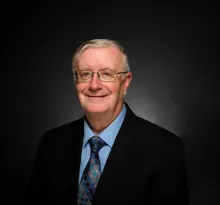
Jorge and his wife Kathy serve the Dallas (TX) and Lawton (OK) congregations. Jorge was born in Portuguese East Africa, now Mozambique, and also lived and served the Church in South Africa. He is also responsible for God’s Work in the Portuguese language, and has been visiting Portugal, Brazil and Angola at least once a year. Kathy was born in Pennsylvania and also served for a number of years in South Africa. They are the proud parents of five children, with 12 grandchildren and live in Allen, north of Dallas (TX).
