
Steve Shafer
This transcript was generated by AI and may contain errors. It is provided to assist those who may not be able to listen to the message.
We've been giving a series here of sermons going over the Old Testament Passover, trying to clarify that. There's been a lot of confusion over that over the last number of years. So far, we have shown that the Passover lambs were when they were originally slain, between sunset and darkness, or between the two evenings. That being the time between sunset, the very beginning of the 14th, and then the time when it became totally dark.
God had Moses reiterate those instructions to Israel at the beginning of their second year in the wilderness. It's stated in Numbers 9. Let's begin there today with my introduction here to the sermon. Let's go to Numbers 9 and read what it says there in the first five verses of Numbers 9, where Moses is reiterating the instructions of Exodus 12 that we've gone through in the past two sermons.
Numbers 9, verse 1 says, The Lord spoke to Moses in the wilderness of Sinai in the first month of the second year, after they had come out of the land of Egypt, saying, Let the children of Israel, this is a year later, now the second year, the first month, let the children of Israel keep the Passover at its appointed time, on the 14th day of the month, at twilight.
Or, as my margin says, this phrase is going to be a sibu phrase, between the two evenings. Let them keep it at twilight, or let them keep it between the two evenings, which is between sunset, the beginning of the 14th, and when it became totally dark. You shall keep it at its appointed time, according to all its rites and ceremonies, you shall keep it. So Moses told the children of Israel that they should keep the Passover, and they get the Passover on the 14th day of the first month, at twilight, between the two evenings, in the wilderness of Sinai, according to all that the eternal commandment of Moses, so the children of Israel did.
I said, my margin renders it, on the 14th day of this month, between the two evenings, you shall observe it at its appointed time, according to all its statutes and ceremonies. That's how my margin renders those verses. And again, as Exodus 12, 14 states, you keep it as a feast by a never-lasting order. So they're still keeping it that way that was reiterated in their second year, in the wilderness. So that being the case, then, as we understand it from the last two sermons, that they get the Passover at the beginning of the 14th, on that night of the 14th, and the 14th just began after sunset.
That being the case, how did an afternoon temple sacrifice, temple Passover sacrifice, become instituted? As we know, they were doing that. Jews were doing that at the time of Christ. They did an afternoon temple sacrifice on the 14th, on the afternoon of the 14th. How did that become instituted? And how did many Jews then come to observe the Passover on the night of the 15th instead of the night of the 14th, as was originally ordained by God in Exodus 12?
Did the afternoon temple Passover sacrifice replace the domestic Passover sacrifice at the beginning of the 14th? Or were both Passovers observed simultaneously for a period of time? And how did the Jews, or at least some of the Jews, come to observe the Passover on the 15th? And how did Jews come to call the Feast of Unleavened Bread Passover, as indicated in Luke 22, 1, where Luke writes, Now the Feast of Unleavened Bread drew near, which is called Passover. How did the Feast of Unleavened Bread come to be called Passover? Obviously, in the read Exodus 12, there are two separate feasts. They're not combined together.
There's a distinction between them. They had different means, as we've seen in the past two sermons. How did all these changes come about? Well, that's what we will begin to take a look at today in this third in this series of sermons on the Passover. And as we asked today, how did the Jews come to observe a temple Passover? We have to cover that first. That will lead us to understand how they came to observe the Passover on the 15th.
But before we get to that, we have to learn how that temple Passover sacrifice came about. Now, first of all, it's just to go through to show the problem. When you get into the New Testament, the Jews observing the Passover at a different time than what was stipulated in Exodus 12, did some Jews observe a 15th Passover on the 15th and the first day of Unleavened Bread? Did some Jews observe the Passover at that time back during the time of Christ?
Well, we'll look at one verse that shows, that indicates that that was the case at the time of Christ, that some Jews were actually observing the Passover rather than at the beginning of the 14th. They're doing on the night of the 15th. The scripture indicates that it's found in John's Gospel, John 18. John 18 verse 24. This is obviously on the Passover day, on that morning of the Passover day and the day that Christ was crucified and died.
It says, then Anas sent him, bound, sent Christ, bound to K.I., plus the high priest.
See, I think I'm in the wrong...
Hmm. This needs to be the wrong scripture. Where am I?
Okay. Oh, no, okay, maybe not. Okay. Now, that first one, I'm in the right scripture. I'm just going to send something to the time frame here. Then Anas sent Christ, bound to K.I., plus the high priest. So that was obviously, you know, the morning of that Passover day when Christ was crucified. Now, drop you down to verse 28. That's what I wanted to go to. Then they led Jesus from K.I. to the Praetorium, and it was early morning. So, it had to be early morning on that daytime portion of the 14th. Christ died in the afternoon, about 3 p.m. on that Passover day. And it was early morning, but they themselves, the Jews themselves, did not go into the Praetorium, lest they should be defiled, but that they might eat the Passover. So, obviously, they had not yet eaten the Passover at the beginning of the 14th. They were going to be eating the Passover later. And as we know from history, they ate the Passover on the night of the 15th, on the night of Unleavened Bread, that we today look on as being the night to be much remembered. That's when the Jews at the time of Christ were eating their Passover. And, of course, they've had a Passover center meal on the night of the 15th ever since, or at least since the time the Temple was destroyed in 70 A.D. So, this indicates that these Jews had not yet eaten the Passover. They were going to slay their Passover lamb at the Temple after that afternoon, or later, I should say, that afternoon of that Passover day, and then eat it on the night of the 15th. But as we shall see in another sermon, that's only really a very small part of the story. There's a lot to that, which we'll get to in another sermon. But for now, did some Jews observe a 15th Passover at the time of Christ? And John 1828 indicates that indeed they did. And history also substantiates that they did. How did that observance begin? How did it originate? Was it from a commandment of God, or from a commandment of men? Was it a traditional thing, or was it something that God instituted? Let's take a look at the tabernacle in the wilderness.
Now, as we know, before I get to a scripture, just to rehearse a little bit of that, we know that because of fear and disbelief Israel did not enter the Promised Land in the year that God delivered them out of Egypt, instead, we know they had to wander in the wilderness for 40 years before God brought them into the land of Canaan. And during those 40 years of wandering, God instructed Moses to build a tabernacle, giving those instructions in the book of Exodus.
The tabernacle in the wilderness, as it has become known as, and which preceded the permanent temple which Solomon later built, was instituted by Moses back when they started wandering in the wilderness. And God also at that time gave Moses clearer structures regarding all the animal sacrifices which were made at the tabernacle in the wilderness. And there were daily sacrifices, there was a daily sacrifice, evening morning daily sacrifice, there were weekly Sabbath sacrifices, there were sacrifices on the new moons, and special sacrifices to be made on each of the annual Sabbath and holy days, and high days, and special sacrifices during the entire streets of tabernacles. And God gave Moses instructions for all that when he had him build this tabernacle in the wilderness. And the instructions for all those tabernacle sacrifices are given in Numbers chapter 28 and 29. Now, I'm not going to take the time to read all of it, because there's a lot of verses there. Numbers 28 and 29 encompasses a total of 71 verses. So you can go through that on your own. But when you do go through it, take careful note of just one thing. I just want to mention what's missing in there. Take careful notice that there is no particular sacrifice that is, excuse me, there is one particular sacrifice that is missing from all those instructions. There is no mention there in Numbers 28 and 29 of a Passover sacrifice to be made at the tabernacle. All the others, all kinds of sacrifices mentioned there, and instructions for those sacrifices at various times, but there is no mention of having a Passover sacrifice at the tabernacle. There was no tabernacle passover sacrificed. We go through Numbers 28 and 29. It's mentioned. The Passover lambs were sacrificed as individual households at the beginning of the 14th has gotten instructed back in Exodus 12. We've gone through in the last couple sermons. There was no Passover tabernacle sacrifice, and that's why there wasn't, because they were sacrificing the Passover lamb on the night of the 14th, the beginning of the 14th, at their individual households as instructed by God, just before God led them out of Egypt.
There's nothing there that would say that God required them to sacrifice lambs at the tabernacle. No indication of that. Now, during the entire 40 years wandering in the wilderness, there is no mention of Passover lambs ever being sacrificed at the tabernacle. The first mention of Passover after Moses died, after they were been wandered for 40 years, is when they first began to inherit the Promised Land. That's the next mention of a Passover sacrifice, and that's found in Joshua, Chapter 5, as Israel was finally entering the Promised Land and in the Land of Kingdom. Let's go to Joshua, Chapter 5. We'll read about that. That's the next time we read about a Passover.
Genesis, Chapter 5, beginning in verse 9, Then the Lord said to Joshua, This day I have rolled away the reproach of Egypt from you.
Therefore the name of the place is called Kilgal, which means rolling, as God was now going to finally bring them into the land of Canaan, into the Promised Land. Therefore the name of the place is called Kilgal to this day. Verse 10, The children of Israel camped in Kilgal, and they kept the Passover on the fourteenth day of the month at twilight on the plains of Jericho. Now it says, at twilight in the New King James, translation which I'm reading from, the Old King James says, at even. The Hebrew word actually here is actually bar-erev, which you covered I think in the first sermon, which means at sunset, which is when between the two evenings begins, as we've proven. Between the two evenings begins at sunset. Sunset was the first evening. The Passover was sacrificed between sunset and then it became totally dark. But it says here at sunset, which is when between the two evenings began. So they were still doing this sacrifice the time God designated through Moses back in Exodus 12. They began to eat the Passover by killing the Passover lambs at sunset as the fourteenth day of the first month began.
Now the fact that this bar-erev, or sunset, was the sunset which began the fourteenth, and not the sunset which ended the fourteenth, is substantiated by the next verse, verse 11. And the eight of the produce of the land on the day after the Passover, unleavened bread and parched grain on that very same day. So that indicates that that was the next day.
Because we know as the day after the Passover is the first day of the, the day after the fourteenth, I should say, is the first day of unleavened bread or the fifteenth. That's why they eat unleavened bread on that day. So they sacrificed that Passover lamb at the beginning of the fourteenth. Verse 10 also tells us they kept or observed this Passover on the plains of Jericho, says, there's no mention or indication that the Passover lambs were sacrificed at the Tabernacle. The indication is that they did it at individual, their individual tents or places where they were dwelling or households, as instructed by Moses in Exodus 12.
Now the Tabernacle in the wilderness was in place for over 400 years, all the way up until the reign of David's son, King Solomon. And during that entire 400-plus years of time, there's absolutely no mention of Israel ever sacrificing their Passover lambs at the Tabernacle. There's no mention of that. And there's also no mention whatsoever of God ever instructing them to sacrifice their Passover lambs at the Tabernacle.
Now, then we come down to the time of Solomon. At the time of David, David had his heart to build a temple to God. But God said, no, you're not going to do it, but your son and your son will build a temple. So as we know, Solomon, during his reign, built a permanent temple which then replaced the Tabernacle.
Now, when were Passover lambs first sacrificed at the temple? It's quite a long story in history, but we'll look at it here today.
When were Passover lambs first sacrificed at the temple? Who commanded that? And why was it commanded? Was there a reason for that? Was it commanded by God, or was it commanded by a king of Judah? It was commanded by a king of Judah? Why would a king of Judah command that? Well, we'll see. Solomon, in the fourth year of his reign, is king.
About 480 years after God led Israel out of Egypt, Solomon, in the fourth year of his reign, began to build the temple, the House of Eternal. That's recorded in 1 Kings 6, verse 1.
And after the completion of the temple, Solomon dedicated the temple at the time of the Feast of Tabernacles. He had a seven-day dedication ceremony, observance followed by the observance of the Feast of Tabernacles for seven days. That's recorded in 2 Chronicles, chapters 7, verses 8 and 9.
But after Solomon dedicated this temple at the time of the Feast of Tabernacles, what happened after that? Let's go to 1 Kings, chapter 10.
1 Kings, chapter 10, and we'll begin in verse 23. He says, So King Solomon surpassed all the kings of the earth. This ties in with the sermon that you just heard from Mr. Lacoste. So King Solomon surpassed all the kings of the earth in riches and wisdom. And all the earth sought the presence of Solomon, to hear his wisdom which God had put in his heart. Each man brought his present, articles of silver and gold, garments, armor, spices, horses, and mules. At a set rate, year by year, they were paying a yearly tribute to Solomon.
And Solomon gathered all these things in. He says the number of them in verse 26. And in verse 27 it says, The king made silver as common in Jerusalem as stones. That's hard to imagine, isn't it? That's how wealthy Jerusalem and the nation of Israel was becoming under King Solomon with God's blessings.
And he made cedar trees as abundant as the sycamores which are in the low land.
Israel was becoming the wealthiest and the greatest nation on the earth at this time. But then what happened that forever changed the course of the nation of Israel? Something happened. It totally changed the course of that nation forever. Let's go to 1 Corinthians. Let's continue here. 1 Corinthians 11. Verse 1 tells what happened that totally changed the course of Israel's history. But King Solomon loved many foreign women as well as the daughter of Pharaoh. He loved women of the Moabites, the Amorites, the Edomites, Sidonians, and Hittites. From the nations up whom the Lord had said to the children of Israel, You shall not intermarry with them, nor are they with you, because surely they will turn away your hearts after their gods. But Solomon clung to these women in love.
And he had seven hundred wives, princesses, and three hundred concubines. And his wives turned away his heart.
For it was so when Solomon was old that his wives turned his heart after other gods. And his heart was not loyal to the Lord his God, as was just the heart of his father David. For Solomon went after Ashtoreth, the goddess of the Sidonians, and after Molkum, or Moach as my margin says, the abomination of the Ammonites. And Solomon did even recite of the eternal, and did not fully follow the eternal, as did his father David. Then Solomon built high place, the high place for Chemosh, the abomination of Moab, on the hill that is east of Jerusalem, and for Moloch, the abomination of the people of Ammon. And he did likewise for all his foreign wives, who burned incense and sacrificed to their gods.
So the eternal became angry with Solomon, because his heart was turned from the Lord God of Israel, who had appeared to him twice.
So what happened after that? Well, God took away Solomon's kingdom, and he gave it to his servant Jeroboam, receiving only Judah for Solomon's son, Rehoboam. And I could go into a lot more there, what Jeroboam did. But after Solomon died, the kingdom of Israel became divided. It also continued to worship foreign gods and goddesses. It continued in this practice that was started during Solomon's reign. In fact, this practice continued throughout the history of the northern ten tribes of Israel. You have then, you have two histories going on. You have the history of the northern ten tribes of Israel. They started under Jeroboam, Solomon's servant. And you have the history of Judah and Benjamin, and the southern nation of Judah, I should say, under Solomon's son, Rehoboam. They have two separate histories. When you look at the history of the northern ten tribes of Israel, you see that every single king followed foreign gods. Not one of them ever tried to turn Israel back to the true god. They went... they were... all their whole history, they were worshiping Baal, involved in Baal worship to some extent. They issued... Judah had a few bright spots. Occasionally, a king of Judah would attempt to turn the southern kingdom of Judah back to God. And this king would then usually come along and take them back into Baal worship.
One of the worst kings of Judah...
one of the worst of the kings of Judah was the king by the name of King Ahaz, who reigned over Judah in the year just prior to the fall of the northern kingdom of Israel. Just before Israel fell, that Ahaz was reigning as king in the southern nation of Judah. Let's pick up the story there in 2 Chronicles chapter 28.
2 Chronicles 28 will begin in verse 1. All this leads up to... you need all this history to understand how the Jews began to sacrifice... have a Passover sacrifice at the temple instead of domestic sacrifices to individual households as started back in Egypt in Exodus 12. 2 Chronicles 28 verse 1. And Ahaz was 20 years old when he became king. And he reigned 16 years in Jerusalem, which of course was the capital of the southern kingdom of Judah. And he did not do what was right in sight of the eternal, as his father David had done. For he walked in the ways of the kings of Israel. Now all the kings of Israel, they followed Baal worship. He walked in all the ways of the kings of Israel, and he made more images for the Bales. He burned incense in the valley of the Son of Hinn. And he burned his children in the fire, according to the abominations of the nations whom the Lord had cast out before the children of Israel. And he sacrificed and burned incense on the high places, on the hills, and under every green tree. So it says here, he made molded images of the Bales. So King Ahaz led Judah into full-fledged Baal worship.
And that would have included leading Judah into observing the feasts of Baal.
Now, this is where we need a little bit of understanding of history that I was not even aware of, until I had to do some research here. But did the feasts of Baal parallel and counterfeit the feasts of God?
How easy was it for Israel to be led into Baal worship? It was pretty easy, we'll see.
Here's a quote from the book, Religions of the Ancient Near East, page 83.
Very interesting quote. Just a couple things I'm going to read here about Baal worship. Sacrificial meals were regularly set out for the deities every day. But there were special days which required extra sacrifices and special ceremonies.
Special lists mark the lucky and dangerous days. There are certain days, according to the worship of Baal, that were unlucky and very dangerous. And there were several of them, but interesting what two of those days were. They were considered especially evil and unlucky. The 14th day of the month was considered evil and unlucky. And the 21st day of the month was considered evil and unlucky.
These days were evil and very dangerous. Why would that be? That's interesting. Why would the 14th and 23rd days of the month be evil and dangerous and especially unlucky? Well, it doesn't tell us. We can always surmise, but it was on the night of the first day of the month. The 14th, the death angel, passed over and killed all the firstborn in the land of Egypt. So that was from the Egyptian's point of view. And, of course, the Egyptian's religion was carried over into other nations, into Babylon and so on. That would have been considered a very evil and unlucky day from the Egyptian's point of view, wouldn't it? And it was on the 21st day of the month, on the last day of unleavened bread, that Pharaoh and all his hosts were drowned in the Red Sea. So that, again, from the Egyptian's point of view, that would be considered to be a very evil and unlucky day.
But here's a question that's really interesting. When did those who worship Baal celebrate their feasts?
Again, from the same source I just quoted.
Special feast days in each month were, for instance, the day of the new moon, the day of the new moon, the first day of the month. And the day of the full moon, the 15th day of the month. Were there any particular months where those were especially significant observances? Yes, there were. Finally, the two main festivals, festivals of Baal, were in the months of Nisan and Tishri.
The first month and the seventh month. They had a feast, a special feast, beginning on the full moon.
On the 15th day, that's when the feast of unleavened bread began. That's when the pizza tabernacles began.
I want to read. This is from a Canaanite, Phoenician sacred year calendar.
A reconstructed sacred calendar of lunar and solar festivals.
From Canaanite and Phoenician temple.
First month. First month, the new moon. This is the new moon of the first month. Nisan 1.
New Year festival, two-week-long festival, the actual beginning of the year on the new moon near spring rekonoks. The magic of the feast of Ashartu worked. Are there gods? Babylon is worshipped.
The rains have finally stopped.
They celebrate the first two weeks of the month from the new moon to the full moon in Babylon. The officials of the temples bring all the deity sculptors into one room, present religious dramas about the deities, and then parade the statues, either carried on litters or in carts along their sacred routes.
Full moon. What did they do on the full moon? This is now Nisan 15. Full moon, which, of course, gods designate as the first day of unleavened bread. Nisan 15. They combined a nomadic pastoral animal sacrifice and agricultural harvest festival, week-long festival with food restrictions.
On the Nisan 15, on the full moon, they sacrificed the lamb.
This very ancient sacrificial holiday is conducted by the head of the family standing on the sacred bumah of the sacred high place to Baal. Facing west, a sacred, limping morning place is performed, or excuse me, a sacred morning dance is performed around the sacrificial animal. The sacrifice takes place at dusk. When it is done, all present kiss each other.
A meal takes place late that night on the 15th.
Beginning of Bali Harvest Festival. Before the festival, the people can clean the home of all leavening, which foods are prohibited for seven days. This is a bale worship now. This isn't God's festival. This is bale worship. They had a feast of unleavened bread. Then the first Bali sheaf omer is offered to the temple and the gods. A draw for procession is dressed in white, which bears the omer to the bumah, to the sacred high place. Because it is a full moon, they sing holy songs and dance sacred dances.
See, bale worship included two main seven-day feasts. One in Nisan, which began on Nisan 15 on the full moon and took place at the exact time as the feast of unleavened bread, with one exception.
Nisan 14 was considered to be an unlucky day. Now, as was the 21st, but they served for seven days anyway. The bale worship also included seven-day feasts in the month of Tishri and the seven months which began on the 15th, exactly the same time as the feast of Tabernacles. So it had parallel feasts. The feasts of bale paralleled the feasts of unleavened bread and the feasts of Tabernacles. It took place at the same time.
The main feasts of bale paralleled and counterfeited the feasts of unleavened bread and the feasts of Tabernacles. Satan had his counterfeit system that was very similar. So it would be easy for people to pull into bale worship, which Israel was pulled into for the entire history.
So it was relatively easy for Israel to be led into bale worship.
Now, the feasts of bale included other things that I wouldn't bear to mention, which led Israel down a path of immorality and decline. But I won't go into all that. But there were very immoral festivals, which led Israel into all forms of immorality and idolatry. And that is why God said what he did as recorded in the book of Isaiah.
If you understand all that, most especially during whose reigns God said this. Let's turn to Isaiah 1.
Especially note whose reigns, who was reigning during the time that God said this to Isaiah. Isaiah 1, verse 1 gives a time frame of when this is given. Isaiah 1, verse 1. The vision of Isaiah, the son of Amos, which he saw concerning Judah and Jerusalem, in the days of Uzziah, Jotham, Ahaz, and Hezekiah, kings of Judah.
So this vision took place in the days of Ahaz and Hezekiah.
We've already read of what Ahaz did.
He led Israel into full-fledged Baal worship. Just read that. Let's continue, verse 2. Hero heavens and giver o'er earth, for the Lord has spoken. I have nourished and brought up children, and they have rebelled against me. Speaking of Israel.
The ox knows its owner and the donkey its master's crib, but Israel does not know. My people do not consider. A last sinful nation, a people laden with iniquity, a brood of evildoers, children who are corruptors. They have forsaken the eternal. They have provoked to anger the Holy One of Israel. They have turned away backward. Of course, that included worshiping Baal on his new moons and on his full moons and on his special Sabbaths and festivals, which paralleled and counterfeited the festivals of God.
Isaiah 1, verse 10. Hear the word of the Eternal, you rulers of Sodom. They are becoming like Sodom and Gomorrah, because observing these festivals to Baal led them into gross immorality, just like the people of Sodom and Gomorrah. That's what they were becoming like. Hear the word of the Eternal, you rulers of Sodom, and give ear to the law of our God, you people of Gomorrah. To what purpose is the multitude of your sacrifices to me? They were sacrificing on these days, but they were doing it to Baal.
To what purpose is the multitude of your sacrifices to me, says the Eternal. I have had enough for burnt offerings of rams. And the fad of fed cattle. I do not delight in the blood of bulls, or lambs, or goats. They were sacrificing lambs and goats on their paths over.
But it was to Baal. It was a counterfeit. Looked like the real thing. Difficult for the people to tell the difference once they got into it.
See, what sacrifice was God referring to that Israel was making? Well, they were making sacrifices to Baal. To what purpose is the multitude of your sacrifices to me, says the Eternal. I have had enough of burnt offerings of rams, and the fad of fed cattle. I do not delight in the blood of bulls, or of lambs, or goats. Verse 12. When you come to appear before me, who has required this from your hand?
To trample my courts, trample the wise feasts, my holy days. Bring no more futile sacrifices, or worthless, as my margin says. Worthless sacrifices. Incense is an abomination to me, because you offered it to the wrong God in the wrong way. The new moons, the Sabbath, and the calling of assemblies, I cannot endure iniquity and the sacred meaning.
Your new moons, and your appointed feasts, my soul hates, God says. They are a trouble to me. I am weary of burying them. What new moons, Sabbaths, and assemblies, and appointed feasts is God referring to that God hates? He's referring to the new moons, the Sabbaths, and appointed feasts of Baal, which, parallel, paralleled and counterfeited the two feasts of God, when we understand it. And which even included sacrifices of lambs or goats. Verse 11.
Now, what does all this have to do with a temple Passover sacrifice?
Well, it has everything to do with it.
It's the reason why it was instituted.
And it was instituted for the very first time at this very period in Judas history, as we'll see. And during the reign of King Hezekiah.
Again, Isaiah 1 tells us this is when God is saying this. This vision took place in the days of Uzziah, Jotham, and Ahaz, and Hezekiah, kings of Judah.
Let's read for ourselves what happened during the reign of King Hezekiah, who became king upon the death of King Ahaz. We read about King Ahaz. He led Israel into outright Baal worship.
Or not Israel, I should say Judah. He led Judah into outright Baal worship. When he died, Hezekiah became king. Let's read that. Let's go to 2 Chronicles, chapter 28.
2 Chronicles, chapter 28, verse 27. Sisoe has, who led Judah now into outright Baal worship, which feasts to God, said he hates. Their new moons and Sabbaths and feasts and so on. Peace of Baal, being referred to there in Isaiah. So Ahaz rested with his fathers, and they buried him in the city, in Jerusalem. But they did not bring him into the tombs of the kings of Israel. Then Hezekiah, his son, reigned in his place.
It's now nearly 700 years since Israel observed the Passover. At the time they entered the Promised Land, as we read back in Joshua, chapter 5. King David, undoubtedly, kept the domestic Passover, but it's not recorded.
Solomon probably kept it, also prior to being turned away from God by his foreign wives. But if he did, that also was not recorded in the Bible.
If you look up the word Passover in the Concordance, it skipped from Joshua 5 to 2 Chronicles 30, at least to the time of Hezekiah, at least chronologically. I'll mention something else here that's also of interest. If you actually go to a Concordance and look that up, after Joshua 5, the next one you'll see is actually in 2 Kings 23.
It was the next appearance of the word Passover after Joshua 5. But 2 Kings 23 is during the reign of Josiah, which we'll look at in a moment, who reigned after the time of Hezekiah. Now, what's interesting here? I don't have this in my notes, but I'll point it out. It's interesting.
Of course, Kings parallels Chronicles. The first and second king kind of parallels. First and second Chronicles, as far as the kings of Israel and Judah go, a lot of parallels in there.
And so Kings, first Kings, second Kings, actually, second Kings tells about the reign of Hezekiah and things he did. But there is no mention in Kings of Hezekiah ever having a Passover, special Passover. However, quite a bit of that is made of, and as we'll see in 2 Chronicles 30. Why is Hezekiah's Passover mentioned in 2 Chronicles 30, but not mentioned whatsoever in 2 Kings?
Well, they had different authors. The author of Kings was Jeremiah, who wrote first and second Kings about the time that Judah was going into captivity. The author of first and second Chronicles was Ezra, who wrote much later. And Ezra, thankfully, Ezra included this information in detail, because he wanted us to understand something about how a temple sacrifice got instituted. So Ezra included it in the history. Otherwise, we wouldn't know about it. Now, when we read about Josiah's sacrifice, it is mentioned in second Kings, but only very briefly just three verses, was a great deal of the attitude in Chronicles by Ezra. So that's an interesting aside to all of this. But for nearly 700 years, we have no record of the observance of the Passover. All the way from the time of Joshua to the reign of King Hezekiah. Undoubtedly, again, some in Israel were observing the domestic Passover as God instructed in Exodus 12, but it's not recorded in Scripture.
It's also apparent that during those nearly 700 years, when there was a tabernacle and then a temple, it seems apparent that there was no national tabernacle or temple Passover sacrifice. If there had have been, it undoubtedly would have been mentioned. The whole nation was doing that. And we know for sure there was no instructions from God for a tabernacle or a temple Passover sacrifice. When were Passover lambs first sacrificed at the temple? As far as we have a record of. And why? Let's go to 2 Chronicles 29.
Let's begin in verse 1 of 2 Chronicles 29. Hezekiah became king when he was 25 years old. And he reigned 29 years in Jerusalem. His mother's name was Abnaijah, or however that's pronounced, the daughter of Zechariah. And he, Hezekiah, did what was right in the sight of the eternal, according to all that his father David had done. In the first year of his reign, in the first month, he opened the doors of the eternal and repaired them to the house of the eternal, I should say, the temple. Then he brought in the priests and the Levites and gathered them in the east square. And he said to them, Hear me, Levites, sanctify yourselves and sanctify the house of God, the God of your fathers, and carry out the rubbish from the holy place.
For our fathers have trespassed and done evil in the eyes of the eternal, our God. They have forsaken him. They have turned away their faces from the dwelling place of the eternal. They have turned their backs on him. Verse 7, They also have shut up the doors of the vestibule, put out the lamps of not burned incense, or offered burnt offerings in the holy places to the God of Israel. All their incense and offerings were to Baal.
So Hezekiah is now out to try to change all that and get them to return to the true worship of God, because they are very steeped in the Baal worship, just like Israel had been. And Israel is about to go into captivity because of it.
2 Chronicles 29, verse 10.
Here's what Hezekiah said, Now it is in my heart to make a covenant with the Lord God of Israel that His first wrath and anger may turn away from us, because God's anger was very much apparent here, especially by what Isaiah, we just read in Isaiah.
Verse 11, Hezekiah says, My son is not to be negligent now, for the Lord has chosen you to stand before Him, to serve Him. You should minister to Him and burn incense in the way God has said to, and so on. Let's drop down to verse 17. Now they began to sanctify or to consecrate on the first day of the first month, and on the eighth day of the month, they came to the vestibule of the eternal to the house, temple. So they sanctified the house of the eternal in eight days, the temple, and on the 16th day of the first month, they finished. Interesting. And they went to the king, verse 18, and Hezekiah, and they went to the king, into the king, excuse me, then they went into King Hezekiah and said, We have cleansed all the house of the Eternal, and cleansed the temple, and the altar of burnt offerings with all its articles, and the table of the show bed with all its articles. But now it was, as we just read, in the previous verse, it was now the 16th day of the first month. It was past the time for the Passover.
It was now into the days of Unleavened Bread. They then gave a sin offering. They gave sin offerings. They gave burnt offerings. They gave thank offerings. They gave peace offerings. They gave drink offerings.
Let's go down to verse 34, 2 Chronicles 29.
Verse 34, The priests were too few, so they could not skin all the burnt offerings. Therefore, their brethren, the Levites, helped them. The priests, of course, were the sons of Aaron, of the Levites, until the work was ended, and until the other priests had sanctified mid-sales. For the Levites were more diligent than sanctifying themselves than the priests, than the sons of Aaron were.
Also, the burnt offerings were in abundance, verse 35, with the fat of the peace offerings and with the drink offerings for every burnt offering. So the service of the house of eternal was set in order. Verse 36, Then Hezekiah and all the people rejoiced that God had prepared the people, since the events took place so suddenly.
Then what did King Hezekiah do next? Chapter 30, verse 1. Again, this is not recorded in Kings, but Ezra makes a point of recording it here in 2 Chronicles, beginning in chapter 30, verse 1. And Hezekiah sent to all Israel and Judah, and also wrote letters to Ephraim and Manasseh, that they should come to the house of the Eternal, to the temple at Jerusalem, to keep the Passover to the Lord God of Israel.
So Hezekiah, in his heart, wanted to restore the true worship of God to all those in Judah, and even invited Ephraim and Manasseh from the northern tent tribes of Israel to join in.
He realized that the importance of restoring the Passover observance, which they had just missed, but he remembered God's provision, and as recorded in Numbers, chapter 9, for us today, that there was a provision of reserving the Passover in the second month, for those who missed the observance in the first month. So our instructions are given in Numbers, chapter 9. So then, we're picking it up here in 2 Chronicles 30, verse 2. For the king and his leaders, and all the assembly in Jerusalem, had agreed to keep the Passover then in the second month. They realized it was important to keep the Passover because they wanted to renew their covenant with God.
For they could not keep it at the regular time in the first month. They'd missed that because a sufficient number of priests had not consecrated themselves, nor had the people gathered together in Jerusalem. Now, let me ask a question here. Why do they need to gather together at Jerusalem? At the temple to keep the Passover?
Why didn't you say, well, keep your domestic Passover in your own homes? Why didn't you say that? Remember, under A, he has the entire nation went into full-fledged Baal worship, which paralleled and counterfeited the Feast of God, including the Passover.
He even counterfeited the Passover service. The Feast of Baal did.
To restore the true worship of God, Hezekiah had to bring everyone to Jerusalem. They couldn't be trusted on their own.
Verse 4, The matter pleased the king and all the assembly, so they resolved to make a proclamation throughout all Israel from Beersheba to Dan that they should come to keep the Passover to the eternal God of Israel at Jerusalem. When you all come to Jerusalem, we need to make a covenant together to restore the worship of God. And to do that, He needs to have them all come to Jerusalem to the temple. So you can understand, you could oversee this. Because they were so confused in the Baal worship, they wouldn't know the difference between the right kind of sacrifice and the wrong one.
Since they had not done it for a long time in the prescribed manner. Then the runners, verse 6, went throughout all Israel and Judah with the letters from the king and his leaders and spoke according to the commandment of the king.
They said, children of Israel, return to the Lord God of Abraham, Isaac, and Israel. And then He returned to the remnant of you who escaped from the hand of the kings of Assyria. Because Assyria was now attacking the northern ten tribes of Israel. And they're about to begin getting into captivity, as they were right shortly after this.
Verse 7, Do not be like your fathers and your brethren who trespass against the Lord God of their fathers, so that He gave them up in desolation, as you see. Do not be stiff-necked, as your fathers were, but yield yourselves to the Eternal and enter His sanctuary, which He has sanctified forever, and serve the Lord your God, that the fiercest of His wrath may turn away from you. For if we return to the Eternal, your brethren and your children will be treated with compassion by those who led them captive, so that they may come back to this land. For the Lord your God is a gracious and merciful God, and He will not turn His face from you if you will return to Him. So the runners, verse 10, this is also an interesting verse, so the runners pass from city to city, throughout the country, to be from them in NASA, as far as Debutin. How were they received? Did they want to give up the feasts of Baal and start coming to Jerusalem to worship God and keep this passover to God, instead of a passover and a feast to Baal?
But they laughed at them and they mocked them. They laughed at them and they mocked them. So you can see the extent of the problem Hisakiah was dealing with in trying to restore the true worship of God. People didn't want, lots of people didn't want any part of it. They were so steeped in the other, they couldn't tell the difference.
Verse 11, Nevertheless, some from Asher and Manasseh and Zebulun humbled themselves and came to Jerusalem. And also the hand of God was on Judah to give them singleness of heart to obey the commandment of the king and the leaders at the word of the Eternal.
Very few who were really looking to God at that time, they'd been so confused by things, but they did have to respect the command of the king.
Verse 13, Now many people at very great assembly gathered at Jerusalem to keep the feast of Unleavened Bread in the second month. They arose and took away the altars that were in Jerusalem, and they took away all the incense altars and cast them into the brook Kidron. Then they slaughtered the Passover lambs on the fourteenth day of the second month. The priests and the Levites. Now that's the first. Before they were, the Passover lambs were killed by the heads of households, weren't they? But now you have a priest and Levites killing the Passover lambs. It doesn't say exactly when this took place, but insinuations, it probably took place on the daytime portion of the fourteenth.
And their priests and the Levites were ashamed and sanctified themselves, and they brought the burnt offerings to the house of the Eternal. And they stood in their place according to their custom, according to the law of Moses, the man of God. And the priests sprinkled the blood received from the hand of the Levites. For there were many in the assembly who had not sanctified themselves. Therefore the Levites had charge of the slaughter of the Passover lambs, for everyone who was not clean, to sanctify them to the Eternal.
Verse 18, For a multitude of the people, many from Ephraim and Manasseh, Nisakaar, and Zebulun, had not cleansed themselves. So the Supper Misdrel came down, but they hadn't cleansed themselves in the proper manner. And yet they ate the Passover, now look at this, they ate the Passover contrary to what was written. They ate the Passover contrary to what was written.
But Hezekiah prayed for them. I'll get to that in a moment. But since they were, they were took the Passover contrary to what was written. Now, several things happened here, contrary to what was written in Exodus 12. In Exodus 12, the heads of each household slaughtered the Passover lambs. Here the Levites had charge of the slaughter of the Passover lambs. In Exodus 12, the Passover lambs were slaughtered between the two evenings at the beginning of the 14th. Here it would appear at least that they were slaughtered during the daytime, portion of the 14th, though the precise time here is not given. In Exodus 12, they ate the Passover as instructed. Here they ate the Passover contrary to what was written, says. So there's some differences here.
But continuing on to verse 18, He said, But Hezekiah prayed for them, saying, May the good Lord provide atonement for everyone, who appears at his heart, who, excuse me, let the good Lord provide atonement for everyone, who repairs his heart to seek God, the eternal God of his fathers, though He is not cleansed according to the purification of the sanctuary. And verse 20 says, And the Eternal listened to Hezekiah, and He healed the people.
So God accepted their Passover observance, even though it was contrary to what was written.
Why would God do that?
Because first and foremost, what does God look at? First and foremost, God looks at the heart. He looks at the heart.
And Hezekiah was seeking to renew and restore a covenant relationship with God. As you quote in 2 Chronicles 29.10, Hezekiah said, It is in my heart to make a covenant with the eternal God of Israel and try to restore people of Judah to worshiping God the right way. That made observing the Passover vitally important for the entire nation of Judah, because that is what the Passover is really all about. We'll clearly see in a future sermon. It's all about making a covenant with God and keeping your covenant you make with God.
God making a covenant with His people. That's the heart and core of the Passover observers, both Old Testament and New Testament.
By whose commandment was this temple Passover sacrifice done by the commandment of God or by the commandment of King Hezekiah? Again, 2 Chronicles 30, verse 6, Then the runners went throughout all Israel and Judah with the letters from the king and his leaders, and spoke according to the commandment of the king.
Going back to verse 2, And the king and his leaders and all the assembly in Jerusalem had agreed to keep the Passover in the second month. I'm just showing you history here. This is a history of what happened.
This is all done by the commandment of the king. So the very first temple Passover sacrifice was instituted at the command of King Hezekiah, not at the command of God. But God, in his great love and mercy, he listened to Hezekiah and he healed the people because he was looking at their heart. He judged their motive in their heart and the fact that they weren't exactly doing it correctly.
Now, why did Hezekiah, had everyone come to the temple in Jerusalem to observe this Passover? Why didn't He tell them to observe it as instructed in Exodus 12 at their households between the two evenings at the beginning of the 14th, the second month?
Or even at the beginning of the 14th of the first month? They had already passed that. It was too late for that. But He could have said, well, you can do it in your own individual households, even though the temple's not ready yet. Well, why did the temple have to be cleansed so the Passover could be observed at the temple? I mean, that was really why they were late, because they couldn't get everything ready. They couldn't get the priest consecrated, the temple consecrated. Why are you just telling them to get a letter out to everybody? They might say, hey, observe the Passover from the beginning of the 14th. They're supposed to, in their individual households, whoever they were living in.
Second Chronicles 28. Let's go rehearse this again. Second Chronicles 28. Begin to understand this a little bit more fully. At Second Chronicles 28, verse 19, the Lord brought Judah low because of Ahaz. Ahaz had led Judah, I should say, into full-fledged Baal worship, which counterfeited in parallel the true worship of God. The Lord brought Judah low because of Ahaz, king of Israel, for he had encouraged moral decline in Judah, and he had been continually unfaithful to the Eternal, and he turned people to full-fledged Baal worship. Verse 25. And in every single city of Judah, Ahaz had made high places to burn incense to other gods and provoked to anger the Lord God and his fathers. See, Hezekiah knew that people could not be trusted to keep the Passover at their household, as God had prescribed. He knew they wouldn't know how to properly observe it. They were far too steeped in Baal worship, which is a counterfeit. The very clever... They took as they take them time to understand the difference. He knew they would end up sacrificing the Baal instead of to the true God. So, he said, they're going to have to all come to Jerusalem, to the temple.
And their attitude proved that that was the case, as we read in 2 Chronicles 30, verse 10, when they went around with this letter to everybody throughout the countries, says a lot of them laughed at them and they mocked them.
So, this Passover was a unique situation, which was called for drastic measures, if you will. Drastic measures instituted by the command of the king. But there's nothing whatsoever here to indicate that God replaced His commanded domestic Passover observance with the King Hezekiah's temple, commanded temple observance.
Now, when were the passover lands first sacrificed to the temple? Were they first sacrificed to the temple during the reign of King Hezekiah by the command of King Hezekiah? Now, when was the next temple Passover sacrifice? Who reigned over Judah after Hezekiah did? Let's look at 2 Chronicles 32, verse 33.
2 Chronicles 32, verse 33, So Hezekiah rested with his fathers, and he buried him in the upper tombs of the sons of David. And all Judah and inhabitants of Jerusalem honored him at his death, because he attempted to restore the true worship of God. And then Manasseh, his son, reigned in his place.
What did Manasseh do, and how long did Manasseh reign?
2 Chronicles 33, verse 1, Manasseh was 12 years old when he became king, and he reigned 55 years in Jerusalem. But he did evil on the side of the eternal, according to the abominations of the nations, whom the Lord had cast out before the children of Israel. He rebuilt the high places to Baal, which Hezekiah's father had broken down. He raised up altars for the Baals, and he made wooden images, and he worshipped all the hosts of heaven and served them. He also built altars in the house of the eternal, of which the Lord had said, and Jerusalem shall my name be forever. And he built altars for all the hosts of heaven, in the two courts of the house of God. And he caused his sons to pass through the fire in the valley of the son of Hinnom. He practiced soussain. He used witchcraft and sorcery. He consulted mediums and spirits. He did much evil in the side of the eternal to provoke him to anger. He even set a carved image, the addle which he had made in the house of God, of which God had sent to David and to Solomon his son, in this house and in Jerusalem, which I have chosen out of all the tribes of Israel, I will put my name forever. So Manasseh undid all the good that his father Hissakai had done. He took Judah back into Baal worship to a greater extent than he had been before Hissakai has reign. And he defiled the temple. On top of that, he reigned for 55 years. Now I'll go through all that. But toward the end of his reign, he was carried off to Babylon by the captains of the army of the kingdom of Assyria. You read that in verse 11 of 2 Chronicles 33.
And his affliction, he implored God and greatly humbled himself, verse 12. And God in his great mercy then gave the kingdom of Judah back to Manasseh, verse 13. Then Manasseh took away the foreign gods in the idol of the temple and the altar to Baal, verse 15. Let's pick it up in verse 16 of 2 Chronicles 33. He also repaired the altar of the eternal. He sacrificed peace offerings and fanic offerings on it. He commanded Judah to serve the Lord God of Israel. Nevertheless, verse 17, the people still sacrificed on the high places only to the Lord their God. They were still using the altars dedicated to Baal, but now they are sacrificing to God. Does that sound familiar? That's interesting.
That wasn't still real pleasing to God.
What happened after Manasseh died? Verse 20. So Manasseh rested with his fathers and they buried him in his own house. Then his son Ammon reigned in his place.
How about Ammon? What did he do? Ammon was 22 years old when he became king, and he reigned two years and drew somebody, he did even the sight of the Eternal, as his father Manasseh had done. For Ammon sacrificed to all the carved images his father Manasseh had made, and he served them. And he did not humble himself before God, as his father Manasseh had humbled himself. But Ammon trespassed more and more. Then his servants aspired against him, and he killed him in his own house. But the people of the land executed all those who aspired against King Ammon. And then the people of the land made his son Josiah king in his place.
What did Josiah do in getting the people to renew their covenant relationship with God? Well, before we get to that, you know, you look at this, they aspired to kill Ammon and so on. You can see that Judah was in a state of confusion and close to being the state of anarchy. When Josiah was made king, and he was making the very young age of eight years of age, 2 Chronicles 34, verse 1, Josiah was eight years old when he became king. He reigned 31 years in Jerusalem. He did what was right in the sight of God, and he walked in the ways of his father David. He did not turn his side to the right or left. In the eighth year of his reign, when he was only 16 years old, when he was still young, he began to see the God of his father David. And the twelfth year of his reign was about 20 years old, he began to purge Judah and Jerusalem of the high places, of the wooden images, the carved images, and molded images. They broke down the altars of the veils in his presence, and incense altars which were above them, and he cut down in the wooden images and carved images, so on.
He also burned the bones of the priests on the altars, verse 5, and cleansed Judah and Jerusalem. So Josiah diligently sought to return the people of Judah to God, to get them to renew their covenant with God. He even tried to influence the remnant of Israel, who by now were becoming scattered after going to captivity for their disobedience. 2 Chronicles 34, verse 31.
Then the king stood in his place and made a covenant before the eternal, King Josiah did, to follow the eternal and to keep his commandments and his testimonies and his statutes, with all his heart and all his soul, to perform the words of the covenant that were written in this book. And he made all who were present in Jerusalem and Benjamin to take a stand, stand for God. So inhabitants of Jerusalem did according to the covenant of God, the God of their fathers. Thus Josiah removed all the abominations from the country that belonged to the children of Israel, and he made all who were present in Israel diligently serve the Lord their God all the days. They did not depart from following the Lord God of their fathers.
What did Josiah then do in getting the people to renew their covenant with God? Chapter 35, verse 1. Josiah kept a Passover to the Lord God in Jerusalem, and they slaughtered the Passover lambs in the fourteenth day of the first month. And he set the priests in their duties and encouraged them for the service of the house of the Eternal. He again instituted and kept a temple Passover sacrifice, as Hisakai had done.
Verse 7.
Then Josiah gave the lay people lambs and young goats from the flock, all for Passover offerings for all who were present, number 30,000, as well as 3,000 cattle from the king's possession. Those cattle, they were not for Passover, they were just for thank offerings, burnt offerings, and so on, from the king.
Verse 8. And his leaders gave willingly to the people, to the priests and the Levites, and so on, for the Passover offerings, 2,600 from the flock, and 300 cattle for burnt offerings and thank offerings and peace offerings, and so on.
How this command was all this done by God's command or by the king's command. Verse 10. So the service was prepared, and the priests stood in their places, and the Levites in their divisions, according to the king's command. It was King Josiah. It was all done by the king's command, it says here.
Verse 11. And they started the Passover offerings, and the priests sprinkled the blood with their hands with the Levites skinned the animals. Verse 17. The children of Israel who were present kept the Passover at that time, and the feast of unleavened bread for seven days. And there had been no Passover kept in Israel like that since the days of Samuel the prophet. And none of the kings of Israel kept it to Passover, Josiah kept with the priests and Levites. All of Judah were present. In the 18th year of the reign of Josiah, this Passover was kept.
Now why was this temple Passover kept at the command of King Josiah? Well, he was attempting to restore the true worship of God and to bring all the people together at the temple so they could renew their covenant with God. But again, there's nothing here to indicate this temple Passover sacrifice was ever sanctioned by God to replace a domestic Passover sacrifice given in Exodus 12 as a never-lasting ordinance.
Now, after Josiah died, Judah reverted back into Baal worship and finally went into captivity by the hands of the Dapilonians. At that time, the temple of Solomon, the temple Solomon had built was completely destroyed. And Jerusalem and the temple were desolate for... Jerusalem and the temple was in state of desolation for 70 years. Then under the Medo-Persian Empire, the Jews were allowed to return to Jerusalem to rebuild the temple. It was recorded by Ezra. Let's go to Ezra, chapter 6.
This is part of the history of all of us as well. Ezra 6, verse 3. In the first years of the year of King Cyrus, King Cyrus issued a decree. He's the king of Persia now. Concerning the house of God of Jerusalem, let the house be rebuilt. Been in desolate now and been destroyed for 70 years. And the place where they offered sacrifice and let the foundation to be firmly laid. And so on.
Then to renew their covenant relationship with God and to rededicate their lives to God, what did they do next? Verse 19, of Ezra, chapter 6.
And the descendants of the captivity kept the Passover on the 14th day of the first month. For the priests and the Levites had purified themselves. All of them were richly clean. And they slaughtered the Passover lambs for all the descendants of the captivity, for their brethren and the priests, and for themselves.
Then the children of Israel, who had returned from the captivity, ate together with all who had separated themselves from the filth of the nations of the land in order to seek the Lord God of Israel. Verse 22, and they kept the feast of unleavened bread seven days with joy. For the Lord made them joyful, and they turned the heart of the king of Assyria toward them to strengthen their hands in the work of the house of God, the God of Israel. So again, this was a special temple Passover sacrifice that was instituted by Ezra.
And the leadership of the Jews at that time, following precedents by Hezekiah and Josiah, to get the Jews who returned to Jerusalem after 70 years of exile to renew their covenant with God and to rededicate their lives to God. It couldn't be fully trusted to do that on their own at that time, so they had a temple-centered Passover sacrifice instead of a domestic Passover sacrifice.
Now, later, just to fill in a little bit of history as we conclude, later issued a new Passover law which proclaimed that all the Jews had to come to the vicinity of Jerusalem to observe even the domestic Passover at the beginning of the 14th. And the reason is, hit it at in the book of Nehemiah, the long history here, which I won't go into all, but it's in the book of Nehemiah, which is also current.
It was written concurrent with the book of Ezra. Let's go to Nehemiah chapter 13. Nehemiah chapter 13. Just try to cover this real real real quickly. Verse 23. Nehemiah 13 verse 23. In those days I also saw Jews, Nehemiah writes, who had married women of Ashtod, this is now after the temple had been rebuilt, re-sored, women who had married, and those of us who had married women of Ashtod, Naaman and Moab, and half of their children spoke the language of Ashtod and couldn't even speak their own language of Judah.
But they spoke according to the language of one of the other people. So Nehemiah says, I contended with them and I cursed them. As my margin said, I announced them cursed. I struck some of them, pulled out their hair, and made them swear by God, saying, You shall not give your daughters as wives to their sons, nor take their daughters for your sons or yourselves. Did not Solomon, the king of Israel, sin by these things, yet among many nations it was no king like him who was beloved of his God.
And God made him king over all of Israel. Nevertheless, foreign women caused even him to sin. Should we then hear of your doing all this great evil, transgressing against our God by marrying all these pagan or foreign women who are going to lead you back into the same thing the psalmist got led into? Started all this thing in the first place. And one of the sons of Johedah, verse 28, the son of Elijah, the high priest.
So here's an individual who's in line to become the next high priest. He knew it was the son-in-law of Sam Ballat, the hornite, and he was marrying a foreign woman. He said, therefore I drove him from me, Nehemiah says.
Now, just a little tiny bit of brief history here. Nehemiah doesn't give the name of this son of the high priest who defiled the priesthood and the covenant of the priesthood. This is in verse 29. 29, remember them, O my God, because they have defiled the priesthood and the covenant of the priesthood and the Levites.
Like I said, Nehemiah doesn't name this, but Josephus does. His name was Manasseh. Sam Ballat was the governor of Samaria. And Manasseh had married Sam Ballat's daughter, and he refused to dissolve the marriage. And he's being led into false worship like Solomon had been. So on. When Nehemiah drove him away, Sam Ballat made Manasseh an offer he couldn't refuse. He built him a temple in Mount Gerizim, which is only 60 miles north of Jerusalem.
He built him a temple in Mount Gerizim in Samaria, like the temple in Jerusalem, and set him up as the high priest of that temple. And what did you have? You ended up with a competing Samarian Jewish religion. He was set up with his own priests and everything. Manasseh was. They became Samaritans or Samaritan Jews. The two of these Old Testament scriptures were now in danger of being corrupted. He had a competing Jewish religion, so to speak, and he couldn't have any control over one. Manasseh was going to do his own thing.
So it was the danger of the Old Testament scriptures being corrupted.
So what did Ezra do? He then formed what became known as the Great Assembly, and they immediately set out to canonize the authentic Old Testament scrolls and to preserve them. Because at that time, all of this took place. There was no recognized Old Testament canon, no scriptures or books yet. That is what led to the canonization of the Old Testament. This thing that took place of a competing religion just north of Jerusalem, set up by Manasseh in San Ballet. Also, because of the confusion of having two competitive Jewish religions, one centered at Samaria and the other at Jerusalem, Ezra issued a new Passover law as recorded in the Annals of the Persian Empire. In the purpose of the book, History of the Persian Empire by Olmsted, it says, The king, the king of Persia from whom Israel got the authority to enforce this new law, the king sent a script enforcing the Passover celebration according to the law book recently introduced by Ezra. So, Ezra at this time, it's not recorded in Scripture, but it's recorded in the Annals of History, Ezra issued a new Passover law. And this new Passover law issued by Ezra proclaimed that all true Jews had to keep the Passover in and around the environs of Jerusalem. Because it couldn't be trusted elsewhere. They didn't know how it was going to be corrupted or what, because you had this competing Samaritan Jewish religion just north, 60 miles north, with a competing temple, etc. The new Passover law was to preserve the true religion of the Jews and to try to keep it from becoming corrupted. Now, there's a lot more to the story as to how the Jews began to eat the Passover on the 15th. But this leads up to that. You need this kind of history in place, just trying to give you a history of what happened that led up to what we see in the New Testament, where you see some Jews were keeping a domestic Passover at the beginning of the 14th. We can see that clearly. And some Jews were offering a temple afternoon Passover sacrifice on the 14th with some Jews then eating that Passover on the 9th and the 15th. But this is part of the history that helps us understand how that all came about. So in conclusion, that is how a temple Passover sacrifice began. It began with a commandment from Hezekiah and then from Josiah and later from Ezra to keep even a domestic Passover in and around Jerusalem, all because of the unfaithfulness of many Jews and a lot of the confusion that was taking place and Baal worship and so on. Now, what happened between the time of Ezra and the time of Christ? Well, what happened was both Passovers were observed simultaneously.
The domestic Passovers were observed in and about and around the area of Jerusalem on the beginning of the 14th, between the two evenings, as stipulated in Exodus 12. And a temple Passover sacrifice became a tradition of the Jews as offered on the afternoon of the 14th. Both of those Passover observances were still taking place at the time of Christ, as we'll see next time. We go into the Passovers of the New Testament, but we're going to see something very interesting. We get into the Passovers of the New Testament. We'll see which Passover of the Old Testament God sanctioned and which one he did not sanction. And that's all recorded in the history of the New Testament. Very interesting. For now, that is how the Jews came to observe a temple Passover.
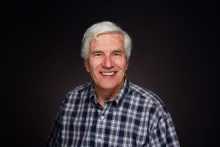
Steve Shafer was born and raised in Seattle. He graduated from Queen Anne High School in 1959 and later graduated from Ambassador College, Big Sandy, Texas in 1967, receiving a degree in Theology. He has been an ordained Elder of the Church of God for 34 years and has pastored congregations in Michigan and Washington State. He and his wife Evelyn have been married for over 48 years and have three children and ten grandchildren.
