
Gary Antion
Part 13 of the Acts bible study series presented by Gary Antion and Randy Stiver.
Okay. Say good evening to everyone out there in Cybercast land. It's nice to have you join us tonight for another Bible study session here on this biweekly Bible study. Mr. Randy Steiver is joining me this time. And probably next week, if he's up for it, Mr. Eddington and Mr. Steiver will take the next two-week session. And then we have following that at Super Sabbath on August 6th. So I'll probably yield that to those two for that time. We should finish up the book of Acts somewhere around mid-August. So mid-August or late-August, and we'll have completed all the chapters in the book of Acts in every verse. So I hope you're... That have been written so far. What's that? That have been written so far. That's right. That has been written so far. And one thing I'll remind you, and then we'll ask Mr. Steiver to ask the blessing. Remember that you can send in your questions to ucgbiblestudy.com and we will do our best to answer them tonight. We're also doing a trial run on our online chat. So if you have a ucg.org account, you can sign in at ucg.org. Then visit the Bible study page on the member's site to participate in the chat room Bible study. Please bear with any technical difficulties while we get all the bugs ironed out. So trying to bring you the best that we can and give you some interaction with those who'll be online and chatting. So let's begin the Bible study. Mr. Steiver, would you ask the blessing?
Heavenly Father, we come before you this evening. We thank you for your word to start with. We thank you for having the record of the history as it has actually happened. And as it will happen with the prophecies, we thank you for your law, your truth, your way. We thank you so much, though, for the book of Acts. Knowing how our brethren and ministers back in the first century, as they were picking up the baton from Christ Himself, we pray that you would be able to read on your work, conduct the congregations, preach the gospel to the public at that time. It's so valuable for us to understand and know those details. We just pray your inspiration now upon our study of two more chapters in the book of Acts here this evening. Pray for your guidance and direction in the teaching and in the listening with eager hearts and with good cheer to learn and soak up your truth. We thank you for these great privileges and give you the honor and the thanks in Jesus' name. Amen.
We're going to pick it up in chapter 20. We concluded last time with chapter 20 and verse 17, where Paul wanted to sail by Ephesus, and then he wanted to be in Jerusalem for Pentecost. So, Acts chapter 20, and we begin in verse 18. Acts chapter 20 and verse 18, we're going to divide it up. I'll finish chapter 20.
Mr. Stiver will start off with chapter 21, do the first 14 or 15 verses, and then I'll pick it up and take a few more verses out of chapter 21, and then he'll bring it home afterwards at the end. So, Acts chapter 20, and we begin with verse 18.
So, he called the elders, remember, he sent to Ephesus, and he called for the elders of the church to come.
So, he did not go as far as Ephesus. He went to Miletus. I had the map up here last time to show you all his travels. He decided not to go up into Asia Minor, but rather to stay by the sea. And so, he called for the elders to come down, and when they had come to him, so again, we talked about how willingly they were to come, and it was quite a distance, probably about 20 to 40 miles.
And they didn't have a car that they could jump into and get there in 30 minutes or 40 minutes, so they had to walk, and so it would have been a good-sizeable or a ride-by donkey or whatever to get there. It certainly was not an easy journey, but they still made that journey to see the Apostle Paul. And I'm struck so many times in reading through the book of Acts how much love the brethren had for their pastors, for their ministers, for those who risked their lives, and we'll see what Paul says.
He said, you know what? He said, I'm ready to die if that's what it takes. I'm going to go. Everything tells me don't go to Jerusalem, but I've got to go. He said, I'm ready to die. I'm ready to give my life if that's what it takes to get the Gospel out. So Acts 20, verse 18, when they came, he said to them, you know from the first day that I came to Asia in what manner I have always lived among you. This is such a wonderful statement. You know what kind of manner I have. You know what I was like.
2 Timothy 3, verse 14, the Apostle Paul talked to the disciples. 2 Timothy 2, chapter 3, verse 14. He wrote this letter to Timothy, and certainly it goes for all who read it. But he said in 2 Timothy 3, verse 14, But you must continue in the things which you have learned and been assured of, knowing from whom you have learned them. So Paul says, you know what? You know what my character was like. I was around you day and night. I was around you. I spoke to you. I taught you. I preached to you. I spent years with you. You know what manner of person I am. That's what he says to them. He said, you know what manner I have lived among you. You know my style. You know my way. And you understand me. It's interesting, too, in Barnes' notes on this particular section. It puts it this way. This is verse 18.
So he had spent three years with them. Acts 20 and verse 31, he talks about, I warned you for three years. So he says, you know what manner of person I was among you, verse 19. Serving the Lord with all humility. You know, not wanting to take the credit, and so many times you'll say that, God did this through the Apostle Paul. God did this through the Apostle John. God did this through this Apostle or this minister. It's what God does through them. It's not because of any goodness of our own. It's not because we discovered all this on our own, because there are lots of bright people who do not understand the Bible. There are lots of very intelligent people who can't put two and two together when it comes to Scriptures. They can work out all types of mathematical equations. They can send rockets to the moon. But they cannot put together the Scriptures unless God reveals it to them. It's hidden. They can see, but they can't understand. They can hear, but they can't perceive. So it is amazing. It's not us. And as Paul says, serving the Lord with all humility, with many tears, and trials which happened to me by the plotting of the Jews. The Jews chased him all around. And of course, the government, as long as they thought this was a Jewish offshoot, they didn't bother them. But then when they found the Jews were persecuting them, then it was also time for them to step in, too. So the Roman government began to punish them as well. So he says, the plotting that happened to me in verse 20, he kept nothing back from them. Notice what he says in verse 20. It's a very key verse for you to keep in mind. We talk about openness. We want to be very open. But we don't want to be so open that we dump on people hurt. Notice what he says. How I kept back nothing that was helpful. Or, the old King James says, profitable for you. I did not hold back anything that would help you, which tells me something. He did hold back things that might not be helpful to them. Openness only goes so far. If openness means telling people how horrible you think they are, in an effort to be open. You ever have some time, you just say, you know, I wish I could really tell that person.
And you say, you know, but it wouldn't be good for them. That's the type of thing you want to go into your closet and scream. Or write down on a piece of paper what you think about it and then throw it away. That's not the type of thing you don't want to do hurt to people, because you might be feeling badly about something. And maybe it would do you good to get it off your shoulders, but what good would it do them?
Some will say, while you're caring for other people's feelings, yes, I am. Paul cared for other people's feelings, too. Now, you can get it out in council, talk with somebody confidentially, privately, or talk to your very best friend, and then bury it. And not carry it around with you. But to minister to you information that would not be helpful to you, that would not be edifying, would be wrong. And the Apostle Paul said, I have not held back anything that would be helpful to you. So he was not to hurt them, or cause them to have grief, or cause them to have doubts. So he said, I've held back nothing that was helpful, but proclaimed it to you, and taught you publicly and from house to house. Now, Luke 10, 7 says, don't go from house to house. Well, there's two different things. This is a good example here of somebody who goes visiting. When we would go visiting the people, we would go from house to house. We'd probably cover three or four houses in one day, if they were close enough by. We'd start off in the afternoon, maybe late morning, get there, maybe do a council. We always tried in visiting people to not get there at lunchtime. We aren't trying to be poachers, or moochers off of people. We don't say, oh, let's get... Oh, we just happened to be here at lunchtime. What do you have? Oh, I guess we'll go get a McDonald's instead of staying with you. And we don't do that. Try to arrive afterwards. Don't try to visit at dinnertime. Try to... the 5 to 6.30 slot, give them that time. And then, if you have it set up already, you could call them, or if you happen to be in the area, you'd say to them, I'll see you about 6.30. Is that okay? So it's time for them to finish dinner. If you get a 6.30 visit in, then you have time to travel to another one. You get two in the evenings. You get two in the afternoon, two in the evening. You might get one in the morning if it's close enough by from travel. You might get five visits. So you've gone to like four or five different homes. That's what he means there. I went from house to house. He didn't mean he was going from house to house trying to persuade people, as some groups do. That isn't what he was trying to do. He said, I taught you publicly and from house to house. I was in your homes. You know me. You know how I was. You know how I am. And in verse 21, he says, testifying to Jews and also to Greeks. He always went to the Jews first. He wasn't the apostle to the Jews, but the Jews and the Israelites were God's special people. He had called them for a special purpose. They weren't special because they were better than anybody else. They were special because they were called to do a job to be an example to the world of what God's nation could be like. What a nation in God would be like. And so he always went to them as a witness first. Then oftentimes they would say, because you rejected us, I now turn to the Gentiles. So the Gentiles came too, because I testified to the Jews and also to the Greeks, or Gentiles.
Repentance toward God and faith toward our Lord Jesus Christ. God the Father is the one we go to to ask Him to forgive us of our sins. And how is He forgiving us of our sins? Through the blood of Jesus Christ. Through faith in Jesus Christ. Through faith not only in His death, but also in His life. That as a high priest He ever lives to make intercession for us. This is a beautiful Scripture again. Repentance toward God, but faith toward Jesus Christ. And of course they're both God, God the Father and God the Son. Verse 21 is a very good verse to keep in mind. Of course He taught them about repentance. He taught them about faith. Page 152. Let's see if I want to cover that. That is what I want, 150.
It's not necessarily what I want to bring to you. So He didn't keep back anything. He taught them the truth. And He taught repentance toward God and faith toward Jesus Christ. Verse 22, And see now I go bound to the Spirit, in the Spirit, to Jerusalem, not knowing the things that will happen to me there. I don't know what's going to happen. Who knows? Do you know what's going to happen in your life? Do you know what you're going to go home? You could go home and find that your water connection to your ice cube maker in your refrigerator is broken and water all over the floor.
You could go home and find that your cat has knocked over something in the house. You could go home and find that your dog has gotten loose and is torn up your... because he's mad because you're gone, is torn up the toilet paper all over the bathroom. You could go home. You don't know. None of us knows what's going to happen. None of us knows what's going to happen to us. Paul said, you know, I don't know what's going to happen to me. He said, verse 23, How did the Holy Spirit witness? Probably by having people with the Spirit tell him that. People who have God's Holy Spirit verbalize it to him. Maybe it was a feeling he had in his prayers. Maybe it was because he knew the reality that he was hated by the Jewish community and he was going right into the heart of Judaism. And he knew that he was going to be in trouble. So he said, I'm going there. He said, and I don't know for sure what will happen, but I do know this, except the Holy Spirit testifies in every city, saying that chains and tribulations await me. I have John 16, verses 7 to 11.
John 16, verses 17 to 11 is a scripture here by this particular verse. He says, Also, probably by others saying it, and of course, in verse 23, Paul was ready to suffer. 1 Peter 2, 21. He knew. He said, I'll do it myself. We know he didn't count his life dear to himself, because all we have to do is read 2 Corinthians 11. And we find all that the Apostle Paul endured for the sake of the church, for the sake of doing the work. And probably every time he received any of these trials, he probably considered it payback for the times he hated and hurt the church. But in 2 Corinthians 11, he says, I speak as a fool. He talked about it. Let me talk to you about it. He said, in verse 22, he says, Are they Hebrew? So am I. Are they Israelites? So am I. Are they the seed of Abraham? So am I. 2 Corinthians 11, 23. Are they ministers of Christ? I speak as a fool. I am more. In labors more abundant. In stripes above measure. I've been whipped many times. I can't even count them. In prisons more frequent. So he was a jail bird many times over. In deaths often. In near death situations often. Of the Jews, five times I received 40 stripes, except one. So he can count those. That's 195. But what about the ones that he received from the Romans? Three times I was beaten with rods, sticks, clubs. Once I was stoned. Three times I suffered shipwreck. At night and the day I've been in the deep. In journeyings often. In perils of water. It wasn't easy to travel by sea. In perils of robbers. Many robbers just untraveled by foot. Can't get away too easily. Perils by my own countrymen. Perils by the heathen. Perils in the city, in the wilderness, in the sea, among false brethren. In weariness and painfulness, in watchings often. In hunger and thirst. In fastings often. Some of them forced fasts, not chosen fasts, in cold and nakedness. Beside those things that are without that which comes upon me daily, the care of all the churches. Who is weak and I'm not weak. Who's offended and I don't burn.
The care that he had for the people that he longed for when he was in prison. That he longed to be with when he was traveling in Europe and he longed to be back at Antioch. The pain that he felt when he saw one of his best buddies, Epaphroditus, sick near unto death. And yet all the troubles that he had. So Paul said, you know what? I don't count my life too important.
I'm willing to give it up for God, for the work of God. 1 Peter 2.21 says that we ought to follow Christ's example and be willing to suffer as he suffered for us. So he says, I don't count my life dear to myself so that I may finish my race with joy and the ministry which I received from the Lord Jesus. It's interesting. Mr. Luecker tried to point the church more to Jesus Christ. Not pointing them more to Jesus Christ than God the Father. But tried to point them more to Jesus Christ. Period. God the Father, we always know, is there. God the Father is there for us. We pray to him. We worship him. Christ always pointed us to the Father. But the Father points us to the Son. And he was the one who was our example. He's the one who walked this earth. And when you read the book of Acts, you cannot help but find how many times the writer, Luke, refers to the Lord Jesus. How many times he says they went down and they preached Christ to them. Jesus Christ is very important. Boy, don't you ever feel bad to acknowledge Jesus Christ as your leader, as the head of the church. Who is the head of the church? As the one who is our example? As the one who is our high priest? But I read here, I'm struck with, where he says, I received this ministry from the Lord Jesus to testify to the gospel of the grace of God. So here we find the gospel is about the grace of God. Isn't it gracious of God to send a better world for one that is corrupt?
Isn't it gracious of God to give us an opportunity to have a part in that wonderful kingdom that God has? Absolutely, Jesus Christ pointed us to the Father. We should worship the Father, honor the Father. We should not neglect the Son, too. I'm strong on the Father because I gave a sermon, one of the first sermons I gave when I came to United is, whatever happened to the Father?
Because there's so much emphasis was placed on only looking to the Lord Jesus. And a lot of people would even pray in Jesus' name and pray to Jesus. Every prayer was to Jesus, and we're supposed to pray in Jesus' name. But they pray to Jesus, and then they pray in His name, which we're supposed to do. I said, what happened to the Father? Jesus Christ constantly pointed us to the Father. But the Father points us to the Son. This is my Son in whom I'm well pleased. Honor Him. Give Him glory that He's due. Jesus Christ said, I glorify myself with my Father. John 17. So there's nothing wrong with acknowledging Jesus Christ as our leader. Not over the Father. He's going to yield up everything to the Father. He loves the Father. The Father says, if you don't receive my Son, guess what? You don't receive me. He that receives me receives the Father who sent me. So that's rather interesting there. Matthew 10, verse 39, I have a Scripture there, the companion Scripture to take a note of. By the way, Mr. Stiver, feel free to dive in any time you have any comment. Well, I've got a question for you. Go for it. Was Jesus Christ a Christian? No. He was a Fatherian, wasn't he? He wasn't a Christian. He was the one who came to set Christianity. But in that sense, he followed the Father. He was godly, but he wasn't a Christian. Christians are followers of Christ. He didn't follow himself. Good question. Matthew 10, verse 39. Matthew 10, verse 39. He that finds his life shall lose it. He that loses his life for my sake shall find it. And then 2 Timothy 4, verse 7, you'll see that he says, I've fought a good fight. 2 Timothy, chapter 4, something... Oh, Mr. Stiver needs to be up a little bit more. 2 Timothy 4, verse 7. I have fought a good fight. I have finished my course. I have kept the faith.
So the Apostle Paul was able to say, I have fought and I keep on fighting to win that particular course. His ministry, verse 24, was from Jesus Christ. You can also note, I won't read it, 1 Timothy 1, verse 12. He said, I was put into the ministry by Jesus Christ. 1 Timothy 1 and verse 12. Verse 25.
And indeed, now I know that you all, among whom I have gone preaching the kingdom of God. Again, what did Paul preach? Yes, it was the gospel of Christ because Christ brought it. Yes, it was the gospel of grace because grace is involved. But what was it about? It was about a coming kingdom. And that he preached. I have gone preaching the kingdom of God. Those of you that I've gone among, you will see my face no more. I want to let you know I'll probably never be back this way again. That's the vibes I'm getting. I'll probably never come back again. Therefore, I testify to you this day that I am innocent of the blood of all men. I have done my job of warning. Ezekiel 3, 17, talks about the watchman.
He has a warning. Now, I don't think Paul was saying, I've never heard any Christians. He's saying, post-conversion, I have not hurt anyone. Post-conversion, I've not been guilty of the blood of anyone. But as we know, he heard a lot of Christians holding the cloaks while they killed Stephen. And later on said he was consenting to his death. So he was abetting the murder of Stephen.
So he did have his hands in blood. But he meant after, after post-conversion. And as far as doing my job of preaching, I've done my job. I've warned you. And you'll see, he goes on to say, verse 27, For I have not shunned to declare to you the whole counsel of God, everything I know about God, everything I know about the way of God, and how God is, I've not pulled back or held back from bringing it to you. Remember, except those things that would be harmful to them. Verse 28, Therefore take heed to yourselves, and do all the flock among which the Holy Spirit has made you overseers. It's that special blessing from the Holy Spirit that they have received, that extra special gift of overseeing the flock as ministers and pastors and evangelists and teachers, to serve the people of God.
The Holy Spirit has made you overseers to shepherd, one says to feed, to shepherd the church of God, interesting the name, church of God, which he purchased with his own blood. Who purchased it? Jesus Christ. Who's blood? Jesus Christ. Wasn't the blood of the Father? It was the blood of his Son. So each one of us is purchased by the blood of Jesus Christ. 1 Corinthians 6, verse 8, 17 and 18, talks about, or maybe it's 19, let me read it to you so I don't give you the wrong scripture. 1 Corinthians 6.
Verse 19 says, What don't you know that your body is the temple of the Holy Spirit, which is in you, which you have of God, and you are not your own? Verse 20 says, you are bought with a price. What is that price? The shed blood of Jesus Christ. He buys you back. He redeems you from death. That's a beautiful scripture. 1 Corinthians 6, 19 and 20 fit into it quite well. Verse 20, For I know this, that after my departure, savage wolves will come in among you, not sparing the flock.
Who's he talking to? Elders. Elders. It's called the elders. Come meet with him. I know savage wolves will come in among you, not sparing the flock. Mr. Armstrong, in the early days, he was so excited to try to have people help him out, and he would go and he'd find a little group of people here, little group of people there, and he would leave somebody in charge.
You seemed like he was faithful and loyal, and he'd leave him there. And by the time he came back around, he'd find this guy siphoned these people off, pulled them away. Turned them away from what he had, the fruit that he had been bearing through God. They were pulled away. And that's why it led him to start an ambassador college, because he wanted to have students trained and taught, and taught the Word of God faithfully, and have a chance to see them over a period of time.
So that like Christ saw the disciples for three years, he wanted to see the students over that same type of period, so he could know where they were. So usually you went, what, four, nine month periods is 36, and then you had another half a year.
Usually you were sent out into the field ministry for a period of time to be proven, one way or the other, either in between your training, your scholastic training, or after. And then many times, men were not ordained until around Feast of Tabernacles time, they graduated in May, June, July, August, September, almost three and a half years. Some cases they may have been a year out to give them a chance to be proven. But he had been burned so many times by trying to work with people who looked good, even men who were ministers of that other organization, and they were all in it, many of them were in it for their own.
I find it interesting where he talks about the savage wolves, not very politically correct. I mean, wolves are being deified nearly in the West, where they reintroduce them, and much to the chagrin of those in Idaho and Montana and Wyoming. But wolves have, from our perspective, a really vicious way of tearing down their prey, especially if it's domesticated stock, they don't kill one. They kill as many as they can. Coyotes are small wolves, and we have coyotes almost everywhere in America, including here in Ohio. And all too often, they'll get into a flock of sheep, they'll attack one and kill it, chew and maim others, but they'll kill many sometimes. My brother used to raise sheep, and my father, and that's why we had run dogs, domesticated wolves, in that sense, who were loyal and faithful to the flock, and would go out and protect it by chasing off the coyotes, or the other wolves. But it's interesting that God made the wolves so he knows that they're alike, but he made them in this age to be an example of something that's not good in this particular comparison. Thank you. He does call them savage wolves in New King James, who'll come in and not spare the flock.
Verse 30, Also from among yourselves men will rise up. Not just talking in general about elders, I'm talking about you, he said. He was talking to guys that were good. He was talking to guys that were elders who came down from Ephesus. They were elders in good standing. They loved the Apostle Paul. But he said, if you don't watch yourself, it's easy for you to turn sour.
Good milk can turn sour. And if any of us loses our way, we can turn sour. Any one of us. I still remember being in Poconos and remember seeing Mr. Armstrong on the stage, and he was saying, Satan's been after me, and he'll start after the rest of you soon. I thought, Satan's not going to come after us. And sure enough, we started losing ministers. Men started getting their own ideas, starting their own churches, starting their own groups.
It was amazing. And then he said, it'll start affecting the brethren too. You have to be on guard. You can't let that milk sit out. You can't let yourself get away from God, the refreshing source of life. So he says, and from among yourselves they'll rise up speaking perverse things to draw away disciples after themselves. Saying things that aren't even true. Saying things that aren't proven. Saying things that are speculation. Making accusations. When those things are done, who are you going to believe? Those that you're close to, usually.
And you don't check out the facts. In some cases, they may not be. But he says again, you should be careful. You've got to be careful what we do. 2 Timothy 2 verse 16. 2 Timothy chapter 2 verse 16. The Apostle Paul knew what it was like to lose people who were friends. Those who were in the faith turned aside. 2 Timothy 2 verse 16. He says, But shun profane and vain babblings, for they will increase to more ungodliness. And verse 17, And their word will eat as does the canker, of whom is Hymenaeus and Phileidus, who concerning the truth have erred.
They've walked away from the truth. They've departed from it. Saying that the resurrection is past already, and overthrow the faith of some. Some people believe them. The resurrection is only about Christ. He's already been resurrected. There's none for you. And people believe them. They walk away. Oh, yeah, good idea. They didn't check their Bibles. I'll tell you, after 1995, I found myself, you know what? I've read the truth. I used to check every article, every booklet, with the Scripture. Every Scripture I looked up.
Then I said, you know what? This is God's church. Nobody's going to put anything in that's wrong. So I didn't check the Scriptures. It wasn't a matter of... You know, and I said, well, okay, if they say, this happens, or this is the issue, then I... All right, I'll accept that. And I began to realize, you know what? I've been accepting way too much without thinking it through and verifying it with Scripture.
You can never go wrong to follow the Scriptures. Never! That's why we teach the Bible. That's why we're going through the Bible. And as you have your nose in the Bible, and as you study the Bible, you'll have a very hard time for anybody to deceive you.
Because you are truly in the truth when you are in the Bible. So he says, therefore, watch verse 31. Watch and remember that for three years I did not cease to warn everyone night and day with tears. There's going to come a time when people get lax. The Apostle John begs people to stick with the truth. The last of the living apostles speaks more of truth than any other...
than all the other books in the New Testament combined. In his five books, 1, 2, 3, John, the Gospel, and Revelation. The last of the apostles to live. He speaks more about truth. He begs people to hold on to the truth. I'm so glad to see your people holding on to the truth. I'm so glad to see them in the truth. Again, again, and again. Stick with it. Don't let people deceive. He said, with tears, I warned you. Verse 32, So now, brethren, I commend you to God, and to the word of His grace, which is able to build you up and give you an inheritance among all those who are sanctified, among all those that are set apart, you have an inheritance with them.
I have coveted no one's silver or gold or apparel. In fact, in 1 Corinthians 9, verses 1-6, he said, I had a right. I had a right to be supported by you. But I didn't do it. Apparently, the Corinthian church was very suspicious, very skeptical of the Apostle Paul. And so he supported himself, 1 Corinthians 8, 1 Corinthians 8. Acts 18, he stayed in Corinth. He worked himself. He worked all day, and then he went and served God's people all night in order to not take tithes and offerings from them and to be supported by them.
So he said, I haven't done anything. I have not coveted any man's silver or gold or apparel. Yes, you yourselves know that these hands have provided for my necessities and for those who were with me. I'd sew these tents. And of course, it wasn't just a tent. It wasn't just making a pair of shoes or doilies or something for someone. It was heavy work, upholstery-type work, that he did.
And he was apparently very skilled at it as well. And for those who were with him, he helped provide for them. Verse 35, I've shown you in every way, by laboring like this, that you must support the weak and remember the words of the Lord Jesus. In verse 35, Acts 20, 35, Goodwin Deneau, how you must support the weak and remember the words of the Lord Jesus, that he said. Notice he didn't write this. These were the words, It is more blessed to give than to receive. Apparently, this saying was passed along among the disciples from those who knew him.
Jesus Christ's saying was, It's more blessed to give than to receive. And it's very hard to conclude that, humanly. I have a pen and a comb and a piece of paper. So if I give one away, I have two. If I keep one, keep all of them, and somebody gives me another one, I have four. Four verses two. Now you tell me what's better, two or four?
Two. God says, when you give it away, I'll return it to you some other way. But humanly, you give one away, is it better for me to give? And I got one. If I receive from someone, I got three. Keep my one, receive. Which way is better? Christ said, it's more blessed to give than to receive. You can't make that work mathematically. You can only make it work spiritually. And God's the only one that can make it work even mathematically. He'll bring it out.
Acts 20, 35, verse 36, And when he had said these things, he knelt on and he prayed with them all. So they had a group prayer before he left, and then they all wept freely and fell on Paul's neck and kissed him, sorrowing most of all for the words which he spoke, that they would see his face no more. Verse 25, They would see his face no more, and they accompanied him to the ship. So one of the most tender parts is brought out by Barnes' notes on the book of Acts.
So a beautiful section of Scripture. The apostle Paul is on his way to Jerusalem. Mr. Stiver, you want to take him there? Okay. We'll jump into that in just a second. I have a special prayer request.
This is from one of our members up in the Columbus, Ohio area, Margie Pierce. She's 70 years old, had a heart attack this past week, and as they were treating her at the hospital, she flatlined twice.
And so they had to do CPR because the shock treatment on the heart didn't seem to activate it, which punctured both lungs. Common, not uncommon, to happen in an emergency situation. But we just got an update this afternoon from her daughter Paula, who is here. Both of her daughters live on one coast and on the other coast, and they both have twins that were born a few months apart, about two, three years ago.
Anyway, the good news is that she's been taken off two of her blood pressure medication. The blood pressure is stabilizing. Blood count is improving. But she's still in very, very critical condition. Margie Pierce. I'd appreciate it if you'd keep her in your prayers. I promised her son Brian, a good friend of mine in the Columbus Church, that I would make that prayer request when I started my section of the Bible study here this evening.
Let's go to chapter 21 now and get into the journey. This is the action-adventure part of the book of Acts, because if there is an action-adventure book in the New Testament, this is all the things that were going on and happening. Now, it came to pass that when we had departed from them, that is those in Ephesus meeting at Miletus, that we set sail running a straight course and we came to Kos, and the following day to Rhodes, and from there to Patara. Now, I find it fascinating how Luke, and remember God inspired this, but he let his writers, he let them write what he wanted in their way of doing it. And Luke was a detail-oriented person. There's no doubt about it. He had very specifically where they landed and so on. But I wanted to draw your attention to the term we had departed from them. That's apparently not getting close to what it really means in the Greek. In the Greek, it would be read or rendered after tearing ourselves away from them. They're all kneeling and praying, as Mr. Antion was describing there at the end of chapter 20. And then they fell on Paul's neck and kissed him. In America, we just shake hands and wave goodbye. But a lot of other cultures still kiss everybody, kisses everybody on both cheeks. And you know, you're very expressive. We, Americans tend to express that, if they think of it, in the look in the eye, and the grip of the hand, I suppose. It's not without its emotional attachment by any means. This is tearing themselves away from them. They set sail, following a strait course, again to Kos, the following day of Rhodes. Rhodes, 200 years earlier, had one of the Seven Wonders of the Ancient World. It was the Colossus of Rhodes, this giant statue that straddled the entryway into their harbor. It was in an island there along the coast of Asia Minor. Then they came to Patara. Now, Patara was actually a seaport that was a jump-off point. Paul was sailing, at that time, in a small ship, and they would sail from port to port around the coast. They never ventured out into the deep blue sea of the Mediterranean, which is really not a very big sea compared to the oceans. But it's a fairly stormy sea at times. At this time, when they were sailing, the trade winds coming down out of the Adriatic were out of the north. So they were moving them along as they tacked along, carrying the wind down along the coast. Then, late in the day, the winds died. You would have, at the most, a very, very gentle breeze, but not good sailing wind. Typically, people would then anchor for the evening near the coast.
Then, the next morning, they'd hoist sail and take off and sail all day, and then anchor along the shore and sail again. They came to Patara. Paul was in a hurry. He wanted to be in Jerusalem by Pentecost. He had only so many days left to get there. So they found a different ship. This was a deep-water ship, and it sailed straight over to Phoenicia. So they didn't go along the coast. Finding it was a 400-mile straight shot across is what they needed to do.
And it would have taken, looking at the map, I'm just guesstimating 6-to-6.50, sailing little bit by little bit by little bit in a deep-ocean ship at the time, would sail night and day. When we had sighted Cyprus, notice this, they sailed right by Cyprus. We passed it on the left, sailed to Syria, and landed it tire. For there the ship was to unload her cargo. All those details that Luke just naturally put down. It says that Luke was a physician, so he was careful about details. It was important.
In finding disciples, nearly everywhere they went, we had believers. Those who had been called to repentance and who were now Christians. They were only Christians, in fact. For there weren't any except the true Christians at that time. We stayed there 7 days, spent a week with them, and they told Paul through the Spirit not to go to Jerusalem.
In other words, they felt inspired and were that he shouldn't go to Jerusalem because they feared that his life was in danger. So he's getting a consistent message as he goes. When we had come to the end of those 7 days, we departed and went our way. They all accompanied us with wives and children. They had all these brethren, the men, their wives, and their little kids, until we were out of the city and then we knelt on the shore and we prayed.
They went down to where the ship was. They knelt on the shore and they prayed. It's similar to what they had done up in Asia Minor there, at the end of chapter 20.
When we had taken our leave of one another, we boarded the ship and they returned home. Don't just read the Bible without some sense of the drama that's happening here. You can envision that. I'm guessing that whatever ship they were now on was a shore hugger, again, a smaller one. Those were sometimes actually pulled up onto a beach if there wasn't a harbor there, depending on the design of the ship. But they didn't need a deep water harbor to anchor by.
So here you have all these brethren with the Apostle Paul and his entourage, which would include Luke and several others, and an eel. You can see them all praying there on the shore and hugging and telling everybody goodbye. They're weeping. Finally, it's time to get on the ship because the winds have come up and they all climb on the ship. They wave goodbye as they go away. When you sail, you move quietly. We don't know what it's like to travel quietly in our age, especially if you ride a Harley like so many do in Ohio. The Harley-Davidson Motorcycle Museum is up in Columbus. I thought it would get arrested periodically.
I grew up near the Black Hills, and on the third week of August is Rally Week. All Harley-Davidson owners are seeking the Holy Grail. They go to Sturgis, South Dakota, because that's where the Harley-Davidson rallies have been held for 60, almost 70 years.
They will have between a half a million to a million bikers on Harley-Davidson motorcycles. Don't ride any others through there in the third week of August because of heresy. You'll have up to a million Harley riders in the Black Hills for a week. You can't get away from the sound, that unique, loud, soundable Harley. You can hear it when it's coming up behind you a half a mile away, and you're going to hear it for two miles as it goes in front of you because you've got the exhaust aimed back.
What gets me is how can it shove noise, so much noise, ahead of it? And it's just a little bitty motorcycle. Yeah, I know they call them hogs, so they're fat little motorcycles, is what they are, but, you know, that's not a truck. Why is it making so much noise? Well, I don't know how I got off into that, except that when you sail, unless it's a howling wind, in which case you don't sail, move away silently.
All you hear is the water lapping on the boat and the ruffle of those sails, which Paul would have sowed sails, as well as tents. Tents and sails are made out of much the same material. He no doubt understood sailing. He understood sails because he had to make them. And after he made a sail, he had to sell the sails. So think about that one for a minute, but it's all there. And when we had finished our voyage from Tyre, we came to Ptolemus, or Ptolemase, rather, and greeted the brethren, so there were brethren there, and stayed with them one day.
And the next day, we who were with Paul's companions departed and came to Caesarea. Now you're in the northern part of what is today modern Israel, along the coast. And we enter the town of the house of Philip, the evangelist, who was one of the seven. So this Philip we already know. He was one of the seven original deacons ordained in Acts 6. In chapter 8, he is the one that preached the Gospel in Samaria.
And many people were converted. And Peter and John had to go up and lay hands on them. He baptized them, but he didn't lay hands on them, because he wasn't ordained as an elder. So they had to go up and do that, and that's when Peter had the showdown with Simon Magus. And then Philip, in the meantime, God wants him down in Gaza. So he goes from north of Israel, clear to the bottom of Israel, to the south of it, and goes to Gaza, and he meets the Ethiopian eunuch back there in chapter 8. And here now, he finally settles, and he has his family in Caesarea, and he's an evangelist.
Obviously, God was calling him to that role, even when he was still working as serving tables, waiting tables as a deacon. And they stayed with him. Now, this man had four virgin daughters who prophesied. So his four daughters, they were young daughters, not married yet, were all prophetesses. And in a sense, that's a fulfillment of what Peter said would happen in Acts chapter 2. Your young men and young women will prophesy to speak forth.
And then we stayed, as we stayed many days, we have a prophet who comes by. His name is Agabus. Agabus, we have read about earlier in the book of Acts, because he is the one who prophesied that there would be a famine in Judea. In fact, in all the world, and there was a famine at that time. So Agabus came, and when he had come to us, he took Paul's belt, and he bound his own hands and feet.
I'm not sure how he tied any knots around his hands, because he tied them around his feet. That's not a problem, but then you tie them around your hands. I suppose it was a semblance of a knot, anyway. He bound his own hands and feet, and said, Thus says the Holy Spirit. This is what God is inspiring me to know. So shall the Jews at Jerusalem bind the man who owns this belt, and deliver him into the hands of the Gentiles. And he said, well, why did he have to act it out? Why couldn't he just say it? Well, because sometimes God, for a greater impact, had certain prophecies acted out.
I won't tell you about Isaiah. It's on the embarrassing side, but it's in chapter 20. But I will tell you of one of Ezekiel's job. Ezekiel had more odd things to do, to, in essence, act out elements of certain prophecies. And the one in chapter 4 is a very famous one of Ezekiel's. It covers the whole chapter. But one of the things that he had to do was make a model of the city of Jerusalem, the model of all the engines of war, siege engines, which were those big towers that they would push up against a wall, and they would be shooting arrows and catapulting rocks down inside the city. And then he had to build a ramp for the battering ram and make a mini-battering ram, and he had to lay on his side for 7,390 days. And then he had to turn over and lay on his side for another 40 days, all part of the prophecy.
And he had to bake his bread out of wheat and barley and lentils and beans, I don't know what kind of beans, and spelt, and a couple of other things. So there's your Bible recipe. You'll figure out how to bake bread. It's made like barley cake, so it's not a loaf. No loafing there. It's going to be something smaller, in a cake size, like a biscuit, I suppose. And he's supposed to eat those and drink a little water. And he can cook those. He has to cook his barley cakes, with that special recipe, over a fire of human dung.
Oh, that's what God told him to do. And Ezekiel was okay, okay, I can do this, I can do this. He came to that part, and you can read about it in chapter 4 of Ezekiel. He said, do I have to do that, in essence? And God said, okay, I'll cut your deal. Oh, he didn't say quite like that, but essentially it's what he was doing. You can use cow chips. I mean, the pioneers in America used buffalo chips for their campfires the whole time that they were immigrating across the prairies.
So he let him use domesticated buffalo chips for his fire. It actually burns quite well. And Ezekiel liked it. He was going to have to do this for a long time. 390 days, every day he gets up, he goes and he lays on one side, looks at the city and plays with his model. You know, a grown man. And then finally he gets done with 390 days, and God says, okay, now I'm going to do it another, you know, so many days. Not quite as many, but you have to lay on your other side.
For the whole day, drink a little water, cook your barley cakes over the cow dung fire. So they acted out certain things, and then God explains what that means in the fourth chapter. Then finally he got to have a haircut, but that was chapter 5, and I won't bother with that one tonight. That's a more serious prophecy for sure. So Agebus was acting out part of the prophecy.
He said, this is what's going to happen. I think it's implied that the daughters of Philip were giving the similar message, as others had done along the way. When he had, let's see, we dropped down to verse 12, and when we had heard these things, both we and those who were from the place, that place, their ancestry, have pleaded with him not to go up to Jerusalem.
Don't go! Everything says it's going to be trouble for you. And I think Mr. Antion alluded to this at the beginning of the Bible study, but the reply of Paul is one that... Well, we live in a very cushy age. If I had to ask for a show of hands, how many of you are sitting on chairs that have seat cushions, versus sitting on bare wood?
Virtually everybody's hands, I know here, including my own, and nearly everybody's hands of those of you who are watching this at home, you're sitting on a cushy chair. Maybe you're even reclining back on the sofa. Now, sit up. This is Bible study. Let's get with the program. A little respect, please. But we live cushy lives, and we don't often think about the really hard stuff. And I think it's time that we do reflect on it to some degree.
Ultimately martyrdom. Some will be martyred in our age. We have no idea who. But we know some who are very lax with God's way. Martyrdom is a way in which their character can really be, in that sense, crystallized. But it does seem to imply in the prophecies in Matthew 24 and others that there will be others who aren't in any way lax about God's way, who also end up being martyrs.
That'll be God's call. But the bottom line, we gave our life to the Father and to Christ when we were baptized. When we repented, we surrendered our will to the will of God. Not my will, but yours be done. And we turned our lives over. Christ bought us through His shed blood, as we covered in the Scripture earlier. So our lives are not our own. They belong to God. And you know, if you have crossed that bridge in prayerful meditation, then in a sense you're fearless.
Another way to be fearless, and that would be a berserker, but I don't advise being a berserker. Most of you don't know what they are, so I might tell you what it is in a minute. But, well, alright, I'll tell you now. This was a Celtic warrior that usually fought naked. The Romans just hated to fight Celtic warriors that fought alone, because they were known as berserkers. They would get all emotionally hyped up. Sometimes they would either drink too much or smoke what we would consider to be marijuana, apparently. Other times they just were crazy men that fought like maniacs.
And it terrified a platoon of Roman soldiers to have to fight one, because he fought with no shield, just a gigantic claymore, two-fisted sword. Sort of a naked Jedi knight, painted half blue, probably.
They fought them in Gaul, they fought them in England, they fought them in various places around northern Europe. Vikings fought like that, except they usually wore clothes. And they had more tactical strategy. The Celts and the Gauls didn't so much.
But berserkers, the only thing that the platoon of soldiers, the Roman soldiers feared more than a berserker, was if his wife was fighting with him. Many of them had warrior wives, or warrior S-wives, who also fought naked, and also had a fiercely deadly, terrifying sword, and they just sliced people up. And you think, well, how in the world did the Romans conquer him? It was hard, very hard. Julius Caesar was nearly annihilated, his force was nearly annihilated in a very famous battle. But the Celts had this problem.
If they weren't fighting a common enemy, they'd choose up sides and beat each other's enemies. So the Romans were organized, and the Celts were AS organized, so that's what happened. They were fearless, though, when they were fighting. Well, we aren't into the fighting, except spiritual battles. So Paul says, what do you mean by weeping and breaking my heart? It was tugging at his heartstrings, but it didn't change his mind. Paul had made a calculated, heart-deep decision. For I am ready not only to be bound, but to die at Jerusalem for the name of the Lord Jesus. I'm not afraid. I'm going there.
Whatever happens is what happens. But I don't go there in fear. In a sense, the Apostle Paul was a little bit in your face. Now, you might ask, why do we have these prophets that were warning Paul? And I want to add a tidbit in.
We don't have prophets like that in our experience in the Church, in the modern era. There is something that we have that they didn't have, however. The Book of Acts. Not to mention Paul's epistles. And what about the four Gospels? Let's throw in the books of John, Peter, James, and Jude in Revelation. They didn't have the New Testament. So some clarification was periodically needed, certainly for the Church, where we have the benefit of the Bible. So when he would not be persuaded, it didn't stop them when he made the statement of, you know, ready to give up his life for Christ. We ceased, that means Luke was joining into the cacophony, we ceased, saying, the will of the Lord be done.
As God wills it, whatever happens is whatever happens. And what happens now is Mr. Antion picks up the narrative. Verse 15. Paul now is going to be sent, decides to go to Jerusalem. Now you wonder why would he have made this decision? He had lots of input, don't go. But the Apostle Paul believed God had something greater in store for him. God did say, you must testify before kings, wasn't it, in the book of Acts, chapter 9? Let's see. Yeah, 913, isn't it? Or is it 50? Where he told him, yeah, verse 15, the Lord said, Go, for he is a chosen vessel of mine to bear my name before Gentiles, kings, and the children of Israel.
He already had this prophecy, whoever Balthus is, he's going to go before, you know, to the king. He's going to go, be delivered into the hands of the Gentiles. But he would first go to the Jews. And we begin to see a story unfolding where Paul is constantly hounded, and where they try to have plot after plot to kill him, try to apprehend him, try to take him away.
We see now the Romans defending him, because he appeals to Caesar later on, as you'll see. But let's go to verse 15. After those days, we packed up and went up to Jerusalem. So they got everything ready. He didn't stay. They said the lords will be done. They didn't want him to go. They ceased trying to persuade him. He said, I'm going to go. I need to go. For some reason, he felt impelled to go. And also some of the disciples from Caesarea went with us, and brought with them a certain nascent of Cyprus, an early disciple with whom we were to lodge.
The nascent's name is not mentioned anywhere else. I think it's really intriguing that you mention this man, who was an older disciple, an early disciple, older, consequently, who was willing to lodge them, put them up, who was willing to give them space in his home or dwelling place for them to come and stay. And it must have been very comforting, I mentioned it to the elders when they were here back in January, how comforting it was for me when I used to go visiting in Canada, to have sitting beside me, as I went into parts unknown, literally, hundreds of miles away from Toronto, north, and to have somebody sitting beside me who was old enough to be my granddad.
And he would sit there, give me encouragement. He knew I was in charge of the visit, but he was still there as a deacon, or one of the men who was willing to go with, and the camaraderie and the strength that you derived from that, and the support that you felt, how good it was to know this person is beside you, riding shotgun with you. So it was really neat that they came and they mentioned him. And so you go to verse 17 then, And when we had come to Jerusalem, so on their way to Jerusalem, stayed with nascent, now they come on to Jerusalem, the brethren received us gladly.
So again, the brethren loved their ministers. They loved those who looked after them, who cared for them. It was a good relationship. And on the following day, Paul went in with us, so Luke is there, to James, and all the elders were present. So all the elders from Jerusalem were all together, and they had this brief confab in verse 19. And when he had greeted them, he told in detail all those things, notice, which God had done among the Gentiles through his ministry. See how it's put? All the things that God did through my ministry. But it was God who did it. It wasn't Paul. Paul would have been killing Christians, had been up the ball. He would have been a Jew killing Christians on the Jewish side. But now he was on the Christian side, and God was the one responsible for that. God was the one who did it through him. He used Paul as an instrument to do it. I like the way that it's put. And therefore, he says, and those things he did that all through his ministry. And when they heard it, they glorified the Lord. Who gets the glory? God does. Who gets the credit? God does.
And they said to him, you see, brother, how many myriads of Jews there are who have believed? They are all zealous, and they are all zealous for the law. Now, you've gone and you've preached everywhere, but now you've come to Jerusalem, and there are lots of Jews here who love God. But they're zealous for the law. And they have an inkling that you have been disparaging the law. Word is, of course, again, gossip and misinformation, is that you despise the law. Paul did not despise the law. But Paul did not want the impediment or the blockage put in front of Gentiles that they had to become Israelites in order to be saved. That they had to become physical Israelites in order to be saved. That was the issue in Acts 15. Do you have to be circumcised to be saved? No. Do you have to be spiritually circumcised, Romans 2, 28, 29? Circumcision is of the heart, not of the flesh. So he said, well, you know, you know, that they glorify. There are a lot of Jews here. They are all zealous for the law. But they have been informed about you that you teach all the Jews who are among the Gentiles to forsake Moses. You see how people distort things? This wasn't true. He wasn't telling them to forsake Moses. He was telling them there's somebody better who's built upon what Moses said. And besides that, Moses said in the book of Deuteronomy 18, verse 15, listen to that prophet. Somebody's going to come after me that's greater than I am. You listen to him. He'll clarify for you. But in no way was Paul minimizing God's way of life, the Ten Commandments, the teachings of the law of God. No way! But he was saying they don't have to become physical Israelites and do the ceremonial laws in order to be saved. I'm not against them. If the Jews want to do them, you want to go out and burn a chicken in a pit? Have at it. You want to burn it all up? Have at it. You probably need a Levite to show you what to do. We don't have any. You would need a place to do it. But if you want to burn it in your pit outside, put it on your grill and burn a chicken. That would make you feel better? We're not against that. You want to burn a chicken? That's your business.
I mean, humane society might not like it. But if you want to burn up a... you know, buy some chicken at the store, it's already been killed. Burn it up! That would make you feel good? It doesn't do any good. But if you want to do it, that's okay. So they said, you know, they have been informed about you. You teach all the Jews that are among the Gentiles to forsake Moses, saying that they ought not to circumcise their children nor to walk according to the customs.
That is not what the Apostle Paul did. Now, in 1 Corinthians 7, verse 19, he did teach the Gentiles that as far as salvation was concerned, circumcision is nothing and uncircumcision is nothing. To be a Jew is nothing. To be a Gentile is nothing. But keeping the commandments. He wasn't against the law. He was against how people came to use the law or abuse the law, however you want to put it.
In verse 22, what then? The assembly must certainly meet, for they will hear that you have come. They're going to gather together. They've heard you've come into town. And Paul was a lightning rod. He drew lots of attention because here was the one-time persecutor of the Christians who's now a traitor to the Jews.
Verse 23, therefore do what we tell you. We have four men who have taken a vow.
Probably a Nazarite vow, I think, what is it, Barkley brings out that sometimes they could take a Nazarite vow for a month. Not for the whole rest of their lives, but for a month.
In which they did perform certain functions. They stayed away from the vine, anything from the grapes or anything from the vine or grape juice or wine. And they also dedicated themselves to service and they let their hair grow.
So now he says, take them and be purified with them. Pay their expenses. It was pretty expensive. You had to go buy a goat or a lamb and had to offer it. And a lot of things you had to pay for to do this. So go do it. Pay their expenses so that they may shave their heads, Nazarite, and that they all may know that those things of which they were informed concerning you are nothing.
But that you yourself also walk orderly and keep the law. Number 6-9 talks about the Nazarite.
But concerning the Gentiles who believe we have written and decided that they should observe no such thing. He said, just don't make a mockery of the Jews. Show them, sidle up to them. Show some respect to their religion. Show them you're not knocking it. You're not becoming an iconoclast.
You're not knocking down all their sacred thoughts and ideas. So go purify them. But concerning the Gentiles, he said, who believe we've written that they decided that they should observe no such thing, except they should keep themselves from things offered to idols, from blood, from things strangled, from sexual immorality.
In verse 26, Paul took them in, and the next day, having been purified with them, so he also went through purification, writes, entered the temple to announce the expiration of the days of purification, at which time an offering should be made for each of them. So Hebrews 9, verses 9 and 10 talks about all these purifications can never do anything for you spiritually.
And that was Paul's point. You want to go wear something on your head? You're welcome to wear something on your head. The Bible tells you, in 1 Corinthians 11, a woman's hair is given her for recovering. And for men, you know, there are not two. If the woman wants to have something on her head, fine, wear something. Who's the head of the man? Christ. And a woman, when she wants to be covered, it's her hair. It clearly says it in 1 Corinthians 11. Her hair is given her for recovery. But if you want to wear something, that's okay. You want to. That's your business. Sometimes women wear hats to church. That's their business. Nobody's saying it's evil. But it's not relevant to salvation. But they wanted to coach Paul. But I'll turn it over to Mr. Stiver to bring it home now. But I want you to be aware that sometimes, no matter how much you bend over, my point is you can bend over backwards so much, bend over so much for people that you fall. And sometimes, no matter what you do, you cannot please people who do not have a right attitude. So we're going to see that though Paul gives in and says, okay, I'll try to assuage these people and their feelings, we'll see what happens. Mr. Stiver. Okay. Now, when the seven days were almost ended in verse 27, and apparently, toward the end of such a Nazarite vow, the individual would have to stay in the temple, general temple area, for the entire seven days, which means he was away from his work and so on. So there were added expenses even there that Paul was covering. The Jews from Asia, seeing him in the temple, well, bear in mind this is around Pentecost time.
So there are large pilgrimage institutes come from all over the place, and some had come down from Asia, meaning Asia Minor in this case, what we would call today Turkey. So they knew who Paul was. Maybe they had persecuted him up there. And seeing him in the temple, they stirred up the whole crowd and laid hands on him, crying, men of Israel, help! This is the man who teaches all men everywhere against the people, the law, and this place.
And furthermore, he has brought Greeks into the temple and has defiled the holy place. For they had previously seen Trohemus, the Ephesian with him, in the city, whom they suppose that Paul had brought into the temple. Oh, they only supposed. That's all they had. They had not seen him bring Trohemus in there because Paul wouldn't do that.
Trohemus was a Greek. And he couldn't go in there. Bear in mind, in the temple, inside the holy place, which was the main temple room, that's where the priests came and went in doing their duties, their jobs. They were allowed to go inside that part of the temple. None of the priests could go into the Holy of Holies, which was the anteroom at the back of the larger room, at the westernmost end of the building, as it opened to the east. That was only the high priest could go back there behind the veil where the Ark of the Covenant would have been kept in the days when it was there.
And that was only the high priest who could do that, and only on the day of atonement. So, no Israelite man, other than Levite, who was of the Lion of Aaron, could go into the building at all. But outside the temple was the Court of the Israelites, that's where the Israelite men could come. And then there was a dividing area, whether a low wall or what have you. And then there was a larger courtyard outside of the Court of the Israelites, and that was the women's court. That's where the Jewish families could all come, and they would have their celebrations, or they could be there to, you know, personal celebrations of coming of age, or births, and so on.
The women could come into the women's court. Outside of that was another wall, a taller wall, and it was a much larger court on the Temple Mount called the Court of the Gentiles. And into the Court of the Gentiles, non-Israelites could come. And of course, if you had God-fearing Gentiles who had maybe converted to Judaism, they could go to the Court of the Gentiles, but no Gentile could go through the gate into the women's court.
And if they did, they would be killed. And the Romans even honored that. They let the Jews kill even a Roman citizen if he went in there. So what they're saying is that Paul took Trophimus in there, and they had, they supposed that he had. They had no evidence, because he hadn't done it.
But, look how effective it is if you make a scurrilous accusation. People believe it. And they act like a mob. And mob mentality goes down. The larger the group, the smaller the mentality, the smaller the sound thinking. And all of the city was disturbed, and the people ran together, and they seized Paul, and dragged him out of the temple, which probably would have been the court of Israelites, and immediately the doors were shut. And they were seeking to kill him. Now, needless to say, they were kind of a disorganized mob, because if they were, you know, if they were calculated, they would have already had him killed.
But they were seeking to kill him, that knew, probably looking for stones so they could stone him. The news came from the commander of the garrison. You can imagine some of the zealots' types, trying to break stones off of the wall, the court of the Gentiles, whom you'll get to find a loose part of the corner of a stone so they could throw it at Paul. And of course, it's hard to do with limestone, so he was safe for a bit, but only for a bit.
But the northwest corner of this was the Tower of Antonia, and that had been built by Herod, and that's where the Roman garrison was. And during the Holy Day seasons, the festivals, the Romans would garrison there between 600 and 1,000 soldiers, because the one thing, and one of the reasons why Rome lasted as long as it did, they did not allow riots. They hated riots, civil unrest, and so they squelched it immediately. You were fine if you were, you know, copacetic and calm, but if you started to riot, that was a problem.
Not only did the rioters get in serious trouble and often die, but the commander of the garrison responsible for keeping order would often suffer consequences as well. So the commander was on top of this, like, be on top of honey. He saw that all Jerusalem was in an uproar, and in verse 32, he immediately took soldiers and centurions, that means at least 200 men. Centurion was a leader of 100 men, so you get centurions, at least 200, of his contingent.
And he ran down to where the uproar was, and they saw the commander and the soldiers. They stopped beating Paul. Well, then it was pretty obvious who they were trying to beat. So that's who they needed to grab, the soldiers did. So they grabbed Paul. Commander came near and took him and commanded him to be bound with two chains. Now, what that was, he was chained one arm to the arm of two different soldiers, so they couldn't let go of him. The soldiers were tied to him, chained to him. And they bound him with chains, and he asked who he was and what he had done, and some among the multitude cried one thing and some another.
You know, they're all screaming, and he's crazy Jews. To him, being a Roman, they all look alike. To the Jews, all the Romans look alike. And it's like that always, you know, when you aren't used to it. So he was trying to figure out what was going on, and he couldn't, so he said, okay, we'll just get out of here. So he couldn't ascertain the truth because of the tumult. He commanded him to be taken into the barracks until we can sort this out.
And when he reached the stairs that went into the barracks at the tower, northwest corner of the Temple Mount area, and all the Jews are surging, obviously, behind them, going up, following them up there, he reached the stairs. He had to be carried by the soldiers. They had to pick him up and hold him above their heads. Enough soldiers, you could do that, including the two that were tied to him, especially them, to keep them out of the hands of all the people who were grabbing at him to try to do him harm. For the multitude of the people followed after, crying out, away with him! You know, they were crazy mad.
This is Paul, and this is the amazing thing. The Apostle Paul did not back down. He was fearless. Had he been taller and tougher and so on, he might have been a great berserker. Had he been a Gaul, but he wasn't. He was a Jew. So he, and tradition says he was small and a little bit bandy-legged, but he was tough. There's no doubt about it. Mentally, spiritually, and physically.
Paul was about to be led into the barracks. He said to the commander, May I speak? And he replied, You can speak Greek. So he spoke to him in Greek. He says, Are you not the Egyptian who, some time ago, stirred up a rebellion, led 4,000 assassins out into the wilderness? No, I'm a Jew from Tarsus, Paul said. The Egyptian was about three years earlier, 54 AD, an Egyptian. It would be an Egyptian Jew, because these were Jewish zealots that he stirred up. They went on the Mount of Olives, and he proclaimed that he could, by his own words, cause the walls of Jerusalem to fall down. He was anti-Roman, obviously. And their tactic was they were terrorists. They were called sikari, which translates into dagger men. They carried daggers, and then they would come into the festival times, and they would single out, particularly those Jews, who they considered to be too much toward the Gentile side, and they would assassinate them in the crowd. They would go and stab them and walk away. So that's what this Egyptian had led. The Romans had tried to destroy him, but some of his men escaped. So that's who he thought he was. Paul said, no, I'm a Jew from Tarsus in Cilicia, a citizen of no mean city. In other words, he was a Roman citizen. And I implore you, permit me to speak to the people.
Here's a riot of blood, thirsty Jewish people, angry at Paul, want to kill him, and he wants to stop and talk. On the stairs, so they can all see him, because he's kind of short. So they want to stop. He wants to stop and talk to them. So when they had given him permission, and just to see the drama, and you hear the yelling, it's not like sailing at all.
All the yelling and shouting and the tumult, as it's described, as you can just see it. And the soldiers get up onto the stairs, and Paul stops them. So they all have to stop, especially the two that are tied to him. And he talks to the commander, and the commander has this exchange with him. They're far enough from the voices that at least they can hear each other. And so the commander says, okay, go ahead.
He lets him address the crowd. Imagine addressing that crowd. So when he had given him permission, Paul stood on the stairs, and he motioned with his hand to the people. He lifted his hand for silence. We teach that at summer camp, United Youth Camps. When all the kids are in the dining hall, and we want it to be quiet, we just raise our hand.
And anybody who sees his hands raised, raises his or her hand until everybody's hands are up, and they all quiet down. That's a signal to be quiet. It's amazing how fast the kids learn. Adults are really slow, but the kids know it. So when he had given him permission, he stood on the stairs, and he motioned with his hand to the people. And when there was a great silence, he spoke to them in the Hebrew language, saying.
Now, in the next chapter is what he's saying. But they all went silent. One instant, they're an angry, shouting, crazy mob of rioters, and the next instant, they're quiet. So that was an exception when all the adults could learn it. Now, Barnes, in his notes about the New Testament, has a couple of sentences that describe this dramatic moment. When Paul turned to speak, he made a gesture for silence, and almost miraculously, complete silence fell on the roaring mob.
Nothing in all the New Testament so shows the force of Paul's personality as this silence that he commanded with a gesture from the mob who would have lynched him. At that moment, the very power of God flowed through Paul. And the Bible studies over for that part. So we'll have to find out what it was. Okay, I just have. Thank you very much. I love that section, too. It shows you how sometimes people have a false premise, and they build upon that, and then they turn into action and mob action.
And in some cases, they don't even know what they're doing. Even though why they're doing it, they're just there. And it is very sad people can be drawn away by mob action and also by untruth. I have one question that came in that says, in many conversations, recently both in United and other Sabbath-keeping groups, the question has come up, is it okay to pray to Christ?
Now, let's answer this deliberately, because the question also says, what does United teach? I don't think United has a teaching specifically. There are some ministers that are very hard on this, though they would say, you should never pray to Christ. There are others who say there are some times that you would address Christ directly. As far as I want to know, what does the Bible say? The Bible teaches Jesus Christ taught that when you pray, you pray to the Father in His name.
Are there any instances in the Scriptures where godly people prayed to Jesus Christ? Can you think of any? I can think of some. Do you remember in Acts 6 or 7, when Stephen was being stoned, who did he pray to? He said, Lord Jesus. He prayed to Jesus.
You also find Paul saying in 1 Timothy 1 and verse 12, I thank Jesus Christ. How do you thank Jesus Christ if you're not praying to Him? There's another one. In Hebrews 4 verses 14 to 16, we have not a high priest that cannot be touched with the feeling of our infirmities. How could he be touched if you're not talking to Him? Is he just eavesdropping on the Father? Then is he hearing your prayers? Now, absolutely, John 16 verses 23 to 26, Jesus Christ taught, the bulk of our prayers should be to the Father.
I don't know that United has ever taken a stand that says, you cannot. I do know some ministers who have and basically would feel you're wrong. I could never say that scripturally. For the first part of my conversion, I've been baptized since 1959, so 52 years for whatever that's worth. I almost would never want to say anything to Jesus Christ. Even if I would want to say, this is Passover time, we're so grateful. Father, would you tell your son I'm really grateful for him?
Could you not just say, and Jesus, thank you so much for what you've done for me? And then, continue your prayer to the Father. I would say so. But early years, I would not because of the thought and the faith. Jesus said, pray to the Father. And the bulk of our prayers should always be to the Father. But scripturally, I do find instances, and those were only a couple that I was able to dig out. I don't know if Mr. Stiver has any other ones, but you could read through, you could see and pick out.
We just many times read over them where he says, I thank the Lord Jesus Christ for this. How do you thank him? What is prayer? Talking to him. How do you thank him? I thank the Father for him. I tell the Father to thank him for me. How do you do that? So, while we don't have, to my knowledge, and a, quote, official stand, unquote, in united about this, scripturally, I see there were times when people did address him directly.
Two of the other times that come to my mind, one is where Paul is petitioning the Lord three times to remove an ailment from him. Petitioned the Lord. The Lord typically meant he was praying, he was talking to Christ. My daughter, I don't know, when she was very small, began her prayers. Second Corinthians 12-8. Second Corinthians 12-8. Thus I besought the Lord thrice that it might depart from me.
When my daughter was very small, out of the mouths of babes, she would always start her prayers, our Father in heaven and dear Jesus God. She would always address Christ, the Father first and then Christ. She just did that, out of surmising God's way from how a child does it. And then the final one, which is a killer, was John wrong when he said, at the end, almost the last verse of the Bible, even so, come, Lord Jesus.
Now that's a prayer. So there are times when you pray to Christ, but the bulk of our prayers, as Mr. Anthea said, obviously is to the Father in the name of Christ. So we're invoking him. Of course, needless to say, the ancient Israelites mostly all prayed to Christ before his human birth. The Lord God of the Old Testament. Well, thank you all for tuning in tonight, and we hope that it's been a profitable Bible study for you.
I certainly appreciated Mr. Stiver's comments and his color and his drama that he added. And I hope that you learned from all of us, too. I hope you even learned about the type of fighters there were back in those days. What I really like is that those guys take a vow, the ones who take a vow, we're going to kill this guy, and then we'll fast until we do. But I would love to see where they ended up after they didn't get him.
Okay. Take care. Have a wonderful rest of the week, and see many of you on the Sabbath. Good night, everybody.
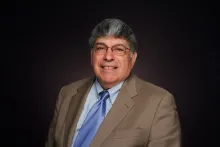
Gary Antion is a long-time minister, having served as a pastor in both the United States and Canada. He is also a certified counselor. Before his retirement in 2015, he was an instructor at Ambassador Bible College, where he had most recently also served as Coordinator.
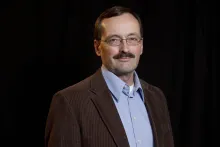
Randy Stiver is pastor of the United Church of God congregation in Rapid City, South Dakota.

