

Chuck Smith
Part 16 of the Acts bible study series presented by Gary Antion and Randy Stiver.
Well, good evening, everyone, and welcome to the Bible study, the biweekly Bible study, and our continuing series in the book of Acts. We're getting really close to the end.
We have chapters 26 and 27. I'm not sure we'll make it into 28. We'll see how we do.
If not, we'll leave it to Mr. Myers and Mr. Eddington to bring it home. I have prepared a paper for all of you, just one page, which is a basic summary of everything, key events that took place in all 28 chapters. So I'll have that for you. It's just one page. It's just kind of a summary. So if you ever want to look through and get a summary of what takes place in each chapter, you'll have that. So I'll have that for you. It's already done. I just didn't do it today because I thought we probably won't get to chapter 28, and I don't want to steal the thunder of the presenters next time. So we'll say good evening to you, to all those on the webcast. It's nice to have you tune in with us. Also, just a reminder, if you have any questions, please feel free to send them in or comments. We have a few here already, I think about four or five, that have been sent in already. So we'll try to get to those at the end of the Bible study, and we certainly appreciate you tuning in with us. So let's ask God's blessing. If you just bow your heads, I'll go ahead and ask it. Heavenly Father, our wonderful God, thank you that we could come to your throne with you and Jesus Christ at your right hand to ask you for help as we study the written word with Jesus Christ, the living word at your right hand. And Father, you know what you inspired, and you know why you inspired it. So we ask you to give us the insights, give us the understanding, give us the strength and the mind and the heart and the voice to be able to speak out your truth, your word, so that we all can understand and grow thereby. So we thank you. We ask your blessing upon the speaking, upon the hearing. We ask you to help us, Father, to understand and yield to your word as we study it. And we thank you for it, asking your inspiration in Jesus' name. Amen. Amen.
All right. Let's go to the book. The chapter 26 is what I'm on. Chapter 26, I had a chance last time to finish up the chapter 25. As Mr. Eddington went through 24, I finished up 25. We actually left the Apostle Paul standing there waiting to give his defense. So we'll take a look here, and I'll read to you briefly from Berkeley what he says the situation is just by way of refreshing our minds. Now let me get to Acts chapter 26 in my New King James Bible. I have my old magical Bible with me as well. I call it magical because I can find things in it real easy because it's been marked and been my companion for many, many years. But let me read to you what Berkeley speaks about the situation. He says, there's no more dramatic scene in all the New Testament. It was with pomp that Agrippa and Bernice had come. They would have on their purple robes of royalty and their gold circlet of the crown upon their brows. Dautless Festus had donned the scarlet robe. Remember Festus was the one who was the governor, really the power there, and Agrippa the second being kind of like a more of a titular head or almost like a monarch. And his wife coming in, they were there. And he goes on to say they came and Festus would have had on the scarlet robe, which a governor wore on state occasions. Close at hand there must have stood Agrippa's suite or his entourage, and also in close attendance the most influential figures of the Jews. So they talked about the top people of the city, the top businessman of the city, and you had all this honor guard there. And here they were. Close by Festus would have stood the captains in command of the five cohorts, which were stationed at Caesarea. And in the background there would be a solid flanks of tall Roman legionaries on ceremonial guard. Into such a scene came Paul, the little Jewish tentmaker with his hand in chains. Now how do we know his hands are in chains? Because he speaks about that. He said, I wish you were as I am, except not in these chains.
Later on you'll see him say that in his defense. So into this area, into this great area comes the apostle Paul. And yet from the moment he speaks, it is Paul who holds the stage. There are some men who have an element of power. And he goes on to talk about what he would say. He said, when a man has Christ in his heart and God at his right hand, he has the secret of power. And remember, God told Paul, I promise to be with you. Nobody's going to lay a hand on you. Nobody's going to prevent you from going all the way to Rome. He was going to go there. Nobody's going to set on you. Nobody's going to cause any problems for you all the way there. So now let's take a look and see what happens. Chapter 25 ends with this. He says, For it seems to me unreasonable to send a prisoner and not to specify the charges against him. So Agrippa is told what the circumstances are by Festus. And Festus says, I don't find anything wrong with this man, yet he's appealed to Caesar.
Caesar's not going to like it if I send a guy to him and have no charges against him. So perhaps if we have him rehearse this situation, maybe we'll find some reason to write to Caesar, to the person in charge in the empire. Maybe we'll have some valid reason to write to him about why we're sending this man. So in chapter 26 and verse 1, Then Agrippa said to Paul, You are permitted to speak for yourself. Paul stretched out his hand, he used good gestures, stretched out his hand, and answered for himself. That's pretty awesome. He's willing to reach out and answer. I have Proverbs 1817 here. Proverbs 1817.
See if this has relevance. Oh yeah. He that is first in his own cause seems to be just, but his neighbor comes and searches him out. You have the Jews making all these accusations against the apostle Paul, but then you have the second person who gets a chance to speak. Now Paul gets a chance to give his defense. So Paul stretched out his hand and he answered for himself. Verse 2, he said, I think myself happy, King Agrippa.
You imagine, here's a man who's happy, he's been in prison for two years.
Here's a man who's in here among all these great luminaries, all these powerhouses who have his life hanging in the balance as to what they're going to do to him. And he still says, I count myself happy, King Agrippa, because today I shall answer for myself before you concerning all the things of which I am accused by the Jews. I remember being invited to speak before a Christian group at a Christian school, Christian young people, teenagers, juniors and seniors out in California. And when they invited me to come out, they asked for somebody from Ambassador College and it devolved to me. So I and my assistant went out. We looked up what this school was about. We found out that they were in the Calvinist tradition, but they were kind of like Quakers before too. So we had a little bit of background on them. And the man had said, he just wanted us to come out and explain and expand, you know, talk about our religion. So we came and he met us when we got there. It was about 60 miles from Pasadena to the east. And when we got there, we walked into the school and told the person who we were and he directed us down the hall. When he ushered us into this classroom where we were going to be explaining things on the board, like this white board off to my left, on the board were all types of names. Jehovah's Witnesses, Watchtower, Mormons, Book of Mormon, all these. And I knew right away why they had me there because they were calling us a cult. So I used similar approach. I said, when I addressed these young people, I said, I'm very thankful that you've asked me to speak about my faith. I said, you know, I believe in talking to people about their own faith instead of hearing what other people say about them. And I said, now what's different about our faith? And I went down the line. I mean, I just let them have it full force, but it was kind full force. And when I was done, I talked about the second resurrection, talked about the gospel. I talked about the little babies who live up in Nepal not have a chance for the kingdom because they can never be reached with the message of Jesus Christ. Are they going to fry in hell because they don't get a chance to hear the truth? And I explained that we believe in a second resurrection. And I've verified that by scriptures, you know, talking about how the people of this city in Sodom and Gomorrah would be better for them than the people in Christ's day. How would that be? How could it be more tolerable? And I explained how the Bible teaches all people the dead shall rise small and great.
Little babies, great people, big people, those who are famous and those who are common, they'll all rise in a resurrection. And when I was done, several people, several young people came up and wanted to know more. But I told them I was thankful that I had a chance to answer for my faith. And I listed on the board all the areas where we were people might perceive us different and why we were different, scripturally why we were different.
Taught that class. I talked the next class. And I don't think they ever invited us back there again. To my knowledge, I never heard about anybody inviting us. Maybe I was too forceful. But anyway, verse 2, he says, I count myself happy. But he said, I shall answer for myself before you concerning all the things of which I am accused by the Jews. Now I have a chance to come and give an answer. He that's first in his cause looks right until the next person comes.
Verse 3, especially because you are an expert in all customs and questions which have to do with the Jews. Therefore, I beg you to hear me patiently. Agrippa had been around as a ruler in that area for many years. So he was familiar with what the Jews taught. He had even, you know, his father Herod the Great had built that Herod's temple and kept it from being destroyed. So there was a connection to the Jews there. And so here he said, I'm happy that I can explain it to you, especially because you are an expert in all customs and questions which have to do with the Jews. It's a nice way of reaching somebody. So he forms an alliance with him. I'm glad I can talk to you because you understand these things. Therefore, I beg you to hear me patiently.
So please listen to what I have to say. He gives an explanation of his past and he brings up to date how this all occurred. So verse 4, he says, My manner of life from my youth which was spent from the beginning among my own nation at Jerusalem, all the Jews know. The Jews know who I am.
I was pretty popular with them when I was hauling the Christians in for putting them in jail.
I was pretty popular with them when I was in opposition to what I now am become a part of.
So he says, They all know me. Verse 5, They knew from the first, if they were willing to testify, that according to the strictest sect of our religion, I lived a Pharisee.
I was as strict as they come. And you could verify that with a few scriptures.
Over in Philippians chapter 3 verses 4 to 6. Philippians 3 verses 4 to 6.
We'll see something interesting. Paul writing, he said this, Though I might also have confidence in the flesh, if any other man thinks that he has anything that he might trust in the flesh, I more. If anybody can look to himself and see what great things he has done, how great he has become, it is me. Paul said. Verse 5, Circumcised the eighth day, so you're supposed to be circumcised, of the stock of Israel, of the tribe of Benjamin. He was attached to the Jews.
A Hebrew of the Hebrews, as touching the law of Pharisee, concerning zeal, persecuting the church. Nobody was more zealous than I was to try to defend Judaism. Nobody was more zealous than I was to try to hang on to the truth and hold fast, till the truth he understood.
He's just touching the righteousness which is in the law, blameless.
Nobody could accuse him of anything, any wrongdoing, regarding the teachings in the law, and regarding following them. So Paul was a Pharisee of the Pharisees. He was one who stood tall in that particular way. So he said, verse 6, And now I stand, and am judged, for the hope of the promise made by God to our fathers. What was this promise made? Acts 1 and verse 6. Going back to chapter 1 and verse 6, the book of Acts, what is this promise? He says, When therefore they were come together, they asked of him, saying, Lord, will you at this time restore the kingdom to Israel? The promise. When is God going to set His kingdom on this earth? The promise. How can you be a part of that kingdom, Jesus Christ? The promise. How do we get there? The promise. When is it coming?
So he said, it goes on to say the same, I was judged for the promise, promise made by God to our fathers. That His kingdom would be here. Many places in the Old Testament talk about this restoration of the kingdom, Micah 4, Zechariah 14, verse 9, when God's going to be king over all the earth, when everybody's going to be keeping it, Zechariah 8, when they're going to come to the Jews and take hold of the skirt, verses 22 and 23, and say, come with us. Please, let us come with you. We heard God is with you. Teach us about God. So he says, verse 7, to this promise our 12 tribes, earnestly serving God night and day, hope to attain. That was the promise made to them. You will be my people. You obey my voice. You will be my people. This was the promise, he said, for this hope's sake, King Agrippa, I am accused by the Jews. I'm accused by the Jews. And what is that hope? The hope of being in God's kingdom. What is that hope? That hope of the resurrection.
The hope of being in the kingdom of God through the resurrection from the dead. It is interesting that the Old Testament has filled the Scriptures to talk about that. Psalm 17, 15, David said, I'll be satisfied when I awake with your likeness. Job 19, 25, Job said, though my flesh is eaten with worms, without my flesh I shall see God. He had to be changed. Jeremiah 39 says God, 30, in verse 9, says God will raise up David to being king over them. The hope and the promise of God's kingdom is laced throughout the Scriptures. Ezekiel 34, 23 talks about David being king over all of Israel with God. David is going to be king. How is he going to be king if he is dead and buried? As Acts 29, 34, somewhere in there. David is dead and buried. How is he going to be there?
God has to raise the dead. So he says in verse 8, why should it be thought incredible by you that God raises the dead? I'm accused of speaking things that are out of place. I'm accused of saying I saw this Jesus Christ that he talked to me in vision. How did he do that? Through the resurrection. He was resurrected. He came back. How did he do this? He said, why should it be so strange? The Bible teaches the resurrection and you, Agrippa, are familiar with those Scriptures because you know. You've learned and studied about Judaism. You know a little bit about Judaism.
Why should it be thought strange by you that God would raise the dead? I cited a number of those Scriptures for you. Verse 9, indeed I myself thought I must do many things contrary to the name of Jesus of Nazareth. I made fun of and hated that way of life. I found it important to do that. I remember when my brother started listening to the World Tomorrow program out of WWVA in Wheeling, West Virginia. I made fun of him. I called Herbert Armstrong all kinds of names.
I lampooned him. I resisted him. I ran away from it and I didn't like it.
Paul said, I was contrary to that. I didn't like it. I did everything I could. Verse 10, this I also did in Jerusalem, and many of the saints I shut up in prison, having received authority from the chief priests, and when they were put to death, so there were more than just Stephen was put to death, I cast my vote against them. You know, the Apostle Paul had a very hard life. Here's a man who persecuted the Christians, who now is on their side, who has to look into the faces of all the people whose relatives he had consented to their death, basically consigned to their death.
Here's the great Apostle Paul. His heart must have ached every time he saw a relative of one of those church brethren or a friend that he had put in prison. He was rotting in prison now that he couldn't undo, or one that he had put to death. Verse 11, I punish them often in every synagogue and compel them to blaspheme. He made them blaspheme if they didn't or die. You know, some people give up.
When individuals sometimes are confused, they don't just switch churches, they quit. They don't do anything anymore. And what a shame. He said, I tried to make them blaspheme. Being exceedingly enraged against them, I persecuted them even to the foreign cities. I wasn't enough for me to just go after them in Jerusalem and Judea. I went all over the place. I was on my way to Damascus, he's going to tell you. I wanted to get up and go to the church. I wanted to get them everywhere. Paul was zealous. I'm going to stamp out this disease, this pest. Verse 12, Paul thus occupied, as I journeyed to Damascus, with authority and commission from the chief priests. So the chief priests gave him authority, wrote him letters to introduce him to the Damascus synagogue and telling them, accept him, he's coming there to rid these Christians out of the system. He said, while thus occupied, I journeyed to Damascus with this authority. Verse 13, at midday, so now we know when this bright light happened, it wasn't in the dark, it was during the day when you already have light, at midday, O king, along the road, I saw a light from heaven, brighter than the sun, shining round about me and those who were journeying with me. So this light not only struck Paul, but it struck all of them, this blinding light that God sent down. Remember, God is light, and God just lit the way very strongly in the daytime. And when we had all fallen to the ground, even as the people who were with him felt to the ground, I heard a voice speaking to me and saying in the Hebrew language, Saul, Saul, why are you persecuting me? He didn't say, why are you persecuting my people.
He said, why are you persecuting me? Jesus Christ said, you pick on my people, you pick on me.
You hit my body, you hit me. You don't have to hit me in the head. You hit me in the toe.
You hit me in the knee. You kick me in the shins. You punch me in the gut, and you have hurt me.
He's the head of the church, right? The church is His body. Remember that is in Colossians. It's Ephesians 1, 22, and 23, but it's also in Colossians.
No, it isn't the one I want.
Yes, Colossians 1, 18. He is the head of the body, the church. He is the head of the body, the church.
Church is His body. You pick on the church, you pick on Him. So He said, why are you persecuting me?
He said, it's hard for you to kick against the goads.
Apparently, when they broke in a new ox, a young ox, they would have it behind a single plow, and they would harness it, and it would be going along, and the fellow who had it, he had like a sharp stick, pointed stick. He would put it down because when it was harnessed, it wanted to get out of there, and it would tend to kick back. If you're right behind it, you're allowed to get a nice, swift kick. But when you had that sharp stick there, if it kicked back, it sharply pointed into it, stabbed it, and the oxen quickly learned you don't kick back. When they harnessed it to a cart, many carts had right underneath a row of sharp goads sticking out, spear-like goads that would not injure the animal, but certainly shock it and hurt it. So if they tried to kick back at the person who was driving, they would hurt their heels, and they would stop, or the hoofs, and they would stop. So he said, it's hard for you to kick against the bricks or the goads. If you do that, you're going to get hurt. If you try to take me on, Paul, you're going to get hurt. In verse 15, so Paul replies, So I said, Who are you, Lord? He didn't know who it was right away. This blinding light, who are you?
And he said, I am Jesus, whom you are persecuting. Now what could he have said?
I haven't been persecuting you. I've just been persecuting your people.
But Jesus Christ took it as a personal affront for individuals to pick on his people. I am Jesus, whom you are persecuting. But rise and stand on your feet, for I have appeared to you for this purpose, to make you a minister and a witness both of the things which you have seen, and of the things which I will yet reveal to you. Because remember, he was trained by Jesus Christ in the land of Arabia for a period of time, probably up to three years.
He was trained personally by Jesus Christ. I'm going to let you know a lot of things, but I want you to be a minister of mine. Can you imagine somebody who's been an avowed enemy of the church all of a sudden now is converted? How unusual!
I know when I was sent out to the field ministry as a ministerial trainee, I was baptized in 1959, December, and in August of 1961, I was a ministerial trainee in between my two years of college. I had two years of ambassador. I already had another year somewhere else. They didn't want me to graduate early. They wanted to give me a year of maturity, and they sent me out. I was only baptized a year and a half. I was 20.
So God could do anything with anybody He wants. Here was Paul fighting the church, ready to haul more people into prison, ready to put more people to death.
And God says, no, Paul, stop! I see something in you that I like. I want you to be a minister of mine if you're willing. The other part is Paul was willing. Paul could have kept on kicking, couldn't he? God brought about an aspect and an attitude of repentance. God cannot repent for you. You still have to do it yourself. God cannot believe for you. You still have to do it yourself.
So he said, verse 17, I will deliver you from the Jewish people as well as from the Gentiles.
To whom I now send you. So I'm going to deliver you from what you're doing. You're going to protect you and keep you, bring you from them, and let you be a witness to me. Verse 18, to open their eyes in order to turn them from darkness to light. Notice how God looks at it when you don't understand the truth. You're in darkness groping about, stumbling, walking, not knowing where you're going. Aimless, no goal. To deliver them from darkness to light, from the power of Satan to God, that they may receive forgiveness of sins and an inheritance among those who are sanctified by faith in me. God is... I'm calling you, Paul, for you to go out and preach repentance to people. To go out and preach faith in Jesus Christ and God the Father. To go out and preach the truth and help people to come from darkness into light. To have the grips of Satan the devil.
Let them go, the clutches of him. Let them go and come to me. Verse 19, therefore, King Agrippa, I was not disobedient to the heavenly vision. What am I supposed to do? I was struck blind.
But declared first to those in Damascus and in Jerusalem and throughout all the region of Judea, and then to the Gentiles. And verse 20 is a very good verse about what's required for baptism.
That he said that they should repent, turn to God, and do works befitting repentance. Repentance. They should repent, turn to God, and do works fitting for repentance.
It's interesting how Berkeley brings this out.
Let's see here. He says, he called on men to repent. It's page 179, Acts of the Apostles by William Barkley. He called on men to repent. The Greek word for repent literally means change one's mind. Repentance isn't just a change of action. If it's just a change of action, that can be something that you do for convenience. It's a change of mind. I see what I've been doing, the way I've been going is wrong. I need to go God's way, not only in this area, but in that area, in that area, and that area as well. Not just in this one situation, but I feel I give up. I want to walk with God from now on. So he said the Greek word for repent literally means change one's mind. To repent means to realize that the kind of life we are living is wrong, and that we must adopt a completely new set of values. To that end, it involves two things. One, it involves sorrow. I've taught for years. Real repentance is confession. It's feeling sorrowful for what you've done and what you've been, telling God about it, and changing. He says it involves sorrow for what we have been, and involves the resolve that by the grace of God we will be changed.
That you've got to do something about it. And here, he said, do works befitting repentance.
So he goes on to say, he called on men to turn to God. So often we have our backs to God.
It may be in thoughtless disregard. It may be because we're deliberately gone to the far countries of the soul. But however that may be, Paul calls on us to let the God who was nothing to us become the God who is everything to us. And finally, he says he called on men to do deeds to match their repentance. The proof of genuine repentance and turning to God is a certain kind of life. But these deeds, by a new series of laws, they are the result that life is governed by that. They are the result of a new love and God's law to go along with it.
Let me take you to a couple of scriptures on repentance. Just one in particular that I'll share with you. That's Acts 19, if you hold your place. Acts 19. Here's an example of people who did works. We covered this before, but I'll just rehearse it again. Acts 19 verse 18.
Many who had believed came confessing and telling their deeds. They had changed. Paul preached to them. They had changed. Verse 19. Also, many of those who had practiced magic brought their books together and burned them in the sight of all. They counted up the value of them and it totaled 50,000 pieces of silver. They showed their deeds. They said, we don't want these black magic books around. And they piled them up. 50,000 pieces of silver. And again, they can't exactly tell you how much that was because you don't know what the piece was worth or equal to. But 50,000 pieces of silver, I don't care how much it is, it's still a lot of moolah, a lot of money, a lot of dough.
And these individuals were willing to burn those books, showing their repentance and their sorrow.
And what was the result of this type of an attitude? So the Word of the Lord grew mightily and prevailed because people were taking it seriously.
So verse 20 of Acts 26 is a great verse. Let's go on. Verse 21, For these reasons the Jews seized me in the temple and tried to kill me, because I was telling them they needed to repent. I told them my story. I told them what happened to me. I told them they needed to turn to God. Verse 22, Therefore, having obtained help from God, to this day I stand, witnessing both to small and great, saying no other things than those which the prophets and Moses said would come. I'm not saying anything more than the prophets say. I'm talking about a kingdom to come. I'm reading Micah. I'm reading what Ezekiel says. I'm reading what Isaiah says. I'm reading what Jeremiah says about God restoring a kingdom to Israel. I'm not saying anything different. I'm telling them if they want to have a part in it, they've got to repent. He throws in Moses because he knows that would have a ring in the ear of Agrippa. He said that the Christ would suffer. The prophets have said this, Isaiah 53, Isaiah 52, the Psalms, plenty of Psalms talk about that. Even in Deuteronomy, where he talks about that prophet that's going to come, and all the sacrificial laws, why were those there? What did they point to? Someone being a final sacrifice. That the Christ would suffer, that he would be the first to rise from the dead, and would proclaim light to the Jewish people and to the Gentiles. He would be a light of the Gentiles.
Isaiah 11 talks about that if you want the reference. Isaiah, I believe it is chapter 11.
Isaiah 11 and verse 10. Verse 9 talks about they shall not hurt nor destroy all my holy mountain, for the earth shall be full of the knowledge of the Lord as the waters cover the sea. Verse 10, and in that day there shall be a root of Jesse, which shall stand for it ends unto the people. To it shall the Gentiles seek, and his rest shall be glorious. He's going to be the light. Talks about all through Isaiah chapter 11 about Jesus Christ coming. So he said, you know this. This is what the prophets all spoke about. Verse 24. Now as he thus made his defense, Festus with a loud voice. Remember Festus was the Roman guy. He doesn't know much about this faith. He hears this man talking about seeing somebody speak to him who was raised from the dead.
He sees this talking about Jewish issues, and he just says, breaks out with a loud voice, Paul, you are beside yourself. You're insane. All this studying has made you crazy.
That's what he's saying. Much learning is driving you mad.
But he said, I am not mad. He answered Festus. I am not mad, most noble Festus.
But speak the words of truth and reason. I am not mad. I am not out of my head.
I am saying what the prophets have said for years who were adored and held in high esteem among the Jews.
Verse 26. For the king before whom I also speak freely knows these things. He knows of those. He's been around the Jews for so long.
Though he wasn't the thorough practitioner of the Jewish faith. For I am convinced that none of these things escapes his attention.
He knows what the Jews have taught. He knows what their plans are. He knows that they seek a better kingdom. He understands this. And he also says, since this thing was not done in a corner. Christians in that first century made a dent in their world. By what they preached, by their activities, by their actions, by what they did.
Verse 27. King Agrippa, do you believe the prophets? I know you do. You've heard about them for years.
Then Agrippa said to Paul, You almost persuade me to become a Christian.
You almost persuade me to become a Christian.
Some people think, the second time, I think the word Christian is used here in the scriptures.
Some think this was only a sarcastic statement.
Some think it may have been a true statement.
That the heat was coming on. That Paul was beginning to reach him.
And he better stop it right now.
So he said, you almost have persuaded me to be a Christian. And Paul said, verse 29, I would to God that not only you, but also all who hear me today, might become both almost and altogether such as I am, except for these chains.
I wish everybody could have the same zeal and enthusiasm for God's way that I do, except for these chains that I'm in.
Then Agrippa said to Festus, This man might have been set free if he had not... Sorry, verse 30.
Let me back up. Verse 30. And when he had said these things, the king stood up. That's the time to say it's over. King stood up as well as the governor and Bernice and those with him. And when they had gone aside, they talked among themselves, saying, This man is doing nothing deserving of death or chains. What has he done? It's all religious. It's religious bigotry. He's done nothing against the law. And verse 32. Then Agrippa said to Festus, This man might have been set free if he had not appealed to Caesar. But Paul did not want to take a chance of being sent back to Jerusalem. And he knew he had to still appear before Caesar as his final witness. But he gave witness before a king. I think it's Mark chapter 13, verses 9-11. Last scripture before I turn it over to Mr. Stiver tonight. Stiver tonight. Mark chapter 18, is it? Let's see.
I think it's 13, verses 9-11. Yeah. Mark 13, verses 9-11. Take heed to yourselves, for they shall deliver you up to the councils, and in the synagogues you shall be beaten. You shall be brought before rulers and kings for my sake, for a testimony against them. This is exactly what the Apostle Paul had the opportunity to do. And he said, the gospel must first be published among the nations, but when they lead you and deliver you, take no thought beforehand what you shall speak. Don't premeditate, but whatever shall be given to you in that hour, that you shall speak, for it is not you that speak, but the Holy Spirit. So, the Apostle Paul had the Holy Spirit guiding and directing and leading him, helping him work through all this misunderstanding and all these accusations that came against him. Mr. Stiver? Okay, thank you. And also, we might add in there, chapter 9 in Acts, verse 15, which was a prophecy that Christ himself gave about Paul, saying that he is a chosen vessel of mine to bear my name before Gentiles, kings, and the children of Israel. That prophecy of Christ was also fulfilled with the Apostle Paul witnessing to Agrippa and Festus and some of the other leaders that he had already appeared before. Now, we come to chapter 27, and you are reminded that it is Luke who God used to write the book of Acts. Luke, a very disciplined writer, very keen on detail. He says he is the beloved physician, so he had a mind trained to watch for detail, whatever he did. This chapter, chapter 27 in the book of Acts, is about Paul's voyage to Rome, which is not without some incident. A pretty dramatic chapter, in fact, and very good lessons as we go through it. But notice the detail. You can actually chart this voyage on a map, and many of your Bibles will have a map nearby that shows the progress of the ship. They would have launched, undoubtedly, from Caesarea. Caesarea is in the north of Israel, even today, like it drifted away or something. And then they sailed north. It was decided that we should sail to Italy. They delivered Paul and some of the prisoners to one named Julius, a centurion of the Augustine Regiment. And the Augustine Regiment would have been a regiment that was normally at the capital of Rome. So, Andromedum, I pronounced that to myself a little while ago, Andrometum. And I looked it up, and guess what that means? It means a ship of Andromedum. I don't know if Andromedum built it, or if the Andromedum, Incorporated built it, or if it was from a town named Andromedum, whatever. But every place just cites the Scripture and doesn't seem to try to figure out what Andromedum means. We put to sea, meaning to sail along the coast of Asia. Aristarchus, a Macedonian, a Thessalonica, presumably the Aristarchus that Paul has spoken of before, or later, was with us. And so, of course, Luke was with him. So Paul was a prisoner, but where, in his case, as a prisoner, he had a certain amount of favor shown, and that was that his friends could be with him.
And help look after him. And the next day, we landed at Sidon. Sidon would be in Phoenicia, about 70 miles north of Caesarea. And Julius treated Paul kindly, Julius being again the centurion. He treated Paul kindly and gave him liberty to go to his friends and receive care. He actually got to, but it appeared, get off the ship and visit some of the brethren there in Sidon, which there were some. And when we put to sea from there, we sailed under the shelter of Cyprus because the winds were contrary.
This was to be the understatement of their voyage. The winds were contrary. And when it sails under Cyprus, technically they sailed north of Cyprus, between Cyprus and the coastline of what would be today Turkey, Asia Minor at that time, or Asia. They just referred to it as Asia. Because of the storm. And when they, there was less storm where they were sailing. And when they had sailed over the sea, which is off Cilicia, which is a southern part of Asia, and Pamphylia, Paul had traveled to all those areas in his earlier missionary journeys.
Pamphylia and Cilia and then further north, up toward the towns of Lystra and Darby, in an earlier time. So it was in a sense, it was a bit like sailing down memory lane for the Apostle Paul. And then we came to Mira, the city of Lycia, again, on the southern coast of Asia. And there the centurion found an Alexandrian ship, sailing to Italy, and he put us on board. So the ship they were on, apparently, was a local ship.
And then they were looking, would have not been looking necessarily for a warship, but a grain ship. And Rome needed grain. Grain was grown in a number of places in the empire. And one of the primary places was North Africa, but other places too. And what is today the Sahara Desert? It wasn't the Sahara then, it was much further south. But they were always receiving food shipments coming in. So they got on the Alexandrian ship, and then sailing to Italy, Alexandrian, apparently named after Alexandria in Egypt. Thus, it could have been a grain ship bringing North African grain to Italy. And at that time, when they say Italy, they mean Italy.
Just like we do. From north up in the Alps to the bottom of the heel. It was all Italy. It wasn't always called Italy. Sometimes Italy just meant part of that, but this is the entire boot. So you get the whole boot when you're talking about Italy in the New Testament. And he put us on board. And when we had sailed slowly many days, we arrived with difficulty and sinitis.
Notice this. You're getting all these details, reports on the journey, whether it was an easy journey or a hard journey, and where you landed, sinitis and the wind. Not permitting us to proceed, we sailed under the shelter of Crete. Now, Crete is an island nation as well, larger than Cyprus by some degree. But they went down under it, went south of Crete, off Salmoni.
Passing it with difficulty, we came to a place called Fair Havens. Fair Havens was a small port on the south side of Crete, near the city of La Silla. And they put in at Fair Havens because the weather was so lousy, which is a Latin word for bad. I'm not sure it's Latin, but weather was bad. Now, when much time had been spent, we're in verse 9, when much time had been spent and sailing was now dangerous because the fast was already over. In the midst of this action, adventure, episode in Paul's life, Luke refers to the Day of Atonement.
And it is consistently recognized as meaning the Day of Atonement. The fast was over. The Day of Atonement was over. Consequently, we were into the season, nearing the winter, when sailing was not easy in the Mediterranean lake. Because big storms tend to blow up in that sea.
So here is a reference to the fast as a routine point of demarcation for those who were followers of Jesus Christ. It routinely simply referred to things by various holy days. Paul had wanted to get to Jerusalem several years earlier before Pentecost. He wanted to be there for Pentecost. And now, because of the fast, that was sort of the turning point. The weather was going to be bad after the Day of Atonement, and so it wasn't safe to be sailing toward Rome.
And so Paul advised everybody on the ship. He said, Men, I perceive that this voyage will end with disaster and much loss, not only for the cargo and the ship, but also our lives. And you think, well, why did Paul want to give a forecast on the voyage? Well, if you go back to 2 Corinthians 11, and let's see, it's verse 29, I think. No, 25. You will find that Paul refers to having been shipwrecked three times. Now, that means he had already been shipwrecked at least twice.
Before he went on this voyage, he knew what it was like to be, as he said, in the face of the deep. And so he was, he had a sense of what sailing was all about and what danger on the ocean was all about.
Nevertheless, the centurion was more persuaded by the helmsman. Ah, we can make it. No problem. And the owner of the ship, so the helmsman who was the steerer of the ship and the owner of the ship, who was apparently on it, then by the thing spoken by Paul. So the centurion overruled. And because the harbor was not suitable to winter in, Fair Havens was a little harbor. And they couldn't lay over for the winter. And when you find out they had 276 men on board, you know, you'd have to have a fair amount of provision to lay over for the winter. Then the majority advised to set sail from there, and if by any means they could reach Phoenix, that was a harbor in Crete, further along the coast, opening toward the southwest and the northwest in winter there.
So that's what they were going to try to do. Off they went to try to get to Phoenix by sundown, and or shortly thereafter, but wasn't to be. When the south wind blew softly, supposing that they had obtained their desire, putting out to sea, they sailed close by Crete. But not long after, a tempestuous headwind arose. A tempestuous. The Greek for tempestuous is the root word for typhoon. Now we know what a typhoon is.
Well, we don't. On this side of America, we know what hurricanes are. But technically hurricanes are called typhoons in the Pacific Ocean. They're the same kind of storm. So they were sailing into a hurricane, more or less. This one had a particular name, a Eurocliden. They didn't name the storms individually, they just called them all Eurocliden. Eurocliden is an odd name because the Euro is a Latin word for east, and Cliden is a Greek word for north.
So it's a Northeastern is what it is. It's blowing right straight down the back of the boot of Italy, right down the Adriatic Sea, hitting them full in the face. And you know, you've got a big fat grain galley, you're not going to make very much headway. So the ship was caught and could not head into the wind, so we let her drive.
So they had to go with the wind, which took them off course aways, and running under the shelter of an island called Clauda, we secured the skiff. Normally the ship would drag its lifeboat, and usually there was one. You get 276 men and one lifeboat? Whoa! I'm going to hang on to that, you know, I'm going to keep my life vest close by.
Right. Hang on to a stick, at least. That's what you had, mainly in those days. So we let her drive. She came to the shelter of the island called Clauda. We secured the skiff with difficulty. That means they pulled it up on board, and when they had taken it on board, they used cables, which would have been heavy ropes, to undergird the ship.
And then why did they want to do that? Because they didn't want it to come apart. Shipbuilding, some nations were really good at it, especially fair weather shipping. Other nations weren't so good at it. The Vikings, much later, of course, were very good at it. The English in Bristol Bay, which was one of the main shipping harbors of England during the Middle Ages and into the Renaissance era and beyond, Bristol ships were considered to be the strongest in their day around.
If you were ship-shaped in Bristol fashion, that meant that your ship could lay on its side, and when the tide came in and picked it up, off it could go. And it could be loaded laying on its side. It wouldn't hurt the ship. They knew how to build them.
Well, I don't know if the Romans knew how to build them, because they tied them together with ropes whenever they were in a storm, because the bores, the siding, would just come loose. In a bad storm, though, about anything can come loose. So they used cables to integrate the ship, tying them and cranking them down tight, and fearing less they should run aground on the seartus sands, they struck sail and were so driven.
Now, what in the world are the seartus sands? When you look it up, you find out that they were afraid they would go from Crete. It's not that far to the North African coast. It's not close, but it's not that far when you're being driven ahead of a big storm. And on certain areas in the North African coast, especially the seartus area, they had sandbars in the ocean and whirlpools. It was quicksand and whirlpools. You know, nasty things. You just don't want to sail any kind of a ship into. One time I had gone duck hunting with a church member out in the West, West Miller and I.
I only went canoeing with people that I knew how to run canoes. And so we're paddling along, and he's in the stern, and I was riding shotgun literally up front. Not a lot of good that it did that day, but we came out of a little river called the Long Tom into the Willamette, north of Eugene, about 20 miles there in Oregon. And the water was churning and, well, like it was boiling and swirling in this one spot. As we paddled by it three feet away, he says, you don't want to paddle a canoe through one of those.
It'll just suck it under. And I thought, well, I'm glad you're back there, not me. So they didn't want to go to the seartus sands for the same reason. You know, it would wreck them at the very least on the sandbars or suck them down in one of the whirlpools. So they struck sail. They were driven. And because they were exceedingly tempest-tossed, the next day they lightened the ship. You know, they were sort of wallowing in the sea and afraid of taking on water and then becoming heavier and sinking further. So they started throwing stuff over. On the third day, we threw the ship's tackle overboard with our own hands.
Even Paul and Luke had a hand in that. Whatever they could throw, they threw overboard. Now, when neither sun nor stars appeared for many days, that's not good. When you don't have the sun or the stars visible for a number of days, that's not even good now. But in those days, it was even worse, because your sail coverage is terrible. You're not going to have any idea where you are or which way you're going.
You become disoriented. So it was because they took their reckonings by the sun and by the constellations of stars, particularly the North Star. No small tempest beat on us, and all hope that we would be saved was finally given up. These were tough Roman soldiers and tough criminals, in many cases, and they were all ready to give up. But after long abstinence from food, they cut rations in order to make sure they saved food, then Paul stood in the midst of them and said, Man, you should have listened to me. I told you so, and have not sailed from Crete and incurred this disaster. You know, you hear, Paul gets up in the middle of a desperate crisis and he said, You should have listened to me.
I told you this was going to happen, and now it's happening. However, I now urge you, verse 22, Take heart, for there will be no loss of life among you, but only the ship.
The ship's a goner, but you're all going to make it. For there stood by me this night an angel of God, and God sometimes did send angels to talk to Paul. There stood by me an angel of God, saying, Do not be afraid, Paul, you must be brought before Caesar. The people with you are going to be okay because they're with you. You have to go to Rome. So you will make it through this story, and indeed God has granted you all those who sail with you. By the grace of God, they too would survive, and only by that.
Therefore, take heart, men, for I believe God that it will be just as it was told me. However, we must run aground on a certain island. Minor detail. We are going to have a wreck. Maybe he even said, certain island. Did Paul know what island it was going to be? I don't know, but it sounds like he did. So when the 14th night had come, for two weeks, they're drifting without clear reckoning of where they are. They were driven up and down in the Adriatic, zig-zagging, in the Adriatic Sea, that's between the boot of Italy and over in Greece. And the sailors sensed that they were drawing near some land. They took soundings and found it to be 20 fathoms. And when they had gone a little farther, they took soundings again and found it to be 15 fathoms. Now, we don't speak in fathoms since Mark Twain. Mark Twain was a great American author. Technically, his real name is Samuel Clemens. But he took on the pen name for his writing called Mark Twain. Mark Twain was the phrase that one of the men on the steamboats moving up and down the Mississippi, or other major navigable rivers like the Ohio, which we're not far from here, they would take soundings. The soundings were when the ship's mate who was dropping the rope down, he had every... it was between five and six feet, depending on the age in which it was being measured. Most of the time it was six feet, was a fathom, the span between the fingertips of a fairly large man.
And so, six feet would be a fathom, and to Mark Twain, when you mark one, then it's only six feet. When you Mark Twain, and that's good sailing or good steaming for a steamboat which had flat bottoms, and thus he borrowed that for his pen name. Well, they were 20 fathoms, and it was 15, so they knew they were coming up on the land of some kind.
They could hear the sound of the ocean for experienced sailors. They'd have a sense of what was happening, even in the dark. So, fearing that we would run aground on the rocks, they dropped four anchors from the stern, and prayed for the day to come, that they would survive till morning. And the sailors were seeking to escape from the ship. They were going to get on the skiff, and they had lowered it down, and they were going to jump in and leave all the soldiers and all the prisoners on the ship.
And they weren't experienced sailors. And so Paul kind of intervened there as well. He said to the centurion and the soldiers, unless these men stay in the ship, you cannot be saved. So the soldiers drew their swords, undoubtedly, and they hacked away at the ropes of the skiff and let it fall off. So the sailors couldn't get on the lifeboat because it was sent adrift.
And as the day was about to dawn, Paul implored them to all take food. Notice here, in the midst of this trouble, Paul is just encouraging and enthusiastic. That had to be a huge boost to these men who were afraid they were going to die. And Paul implored them to take food, saying, Today is the fourteenth day you have waited and continued without food, and you've eaten nothing. Fourteen days. Now, they've had water, but they've basically been otherwise fasting that length of time.
You imagine doing that. Lost weight, and they're feeling weak. Therefore, I urge you to take nourishment, for this is your survival, since not a hair on your head will fall from any of you. And when he had said these things, he took bread and gave thanks to God in the presence of them all. Always an opportunity. Nothing is an obstacle. Everything's an opportunity for the Gospel. So they had to listen to a prayer by Paul. And they listened. And when he had broken it, he gave you a can to eat, and they were all encouraged, and they also took a little food themselves, and there were 276 persons on the ship.
And when they had eaten enough, they lightened the ship and threw all the wheat into the sea. So they ate what they could carry in their bellies, and then they took off. And when it was day, they didn't recognize the land, but they observed a bay with a beach. So there was a little bit of a harbor where they could make a run. And then when they planned to run the ship, if possible, up into that bay. And as they let go of the anchors and left them in the sea, now that they probably cut the ropes on those two, meanwhile, loosening the rudder ropes, they hoisted the main sail to the wind and made for shore.
And by striking a place where the two seas met, they ran the ship aground, and the prow stuck fast in the sand there rather than running up onto rocks. And it remained immovable, but the stern was being chewed up by the violence of the waves. So the soldier's plan was then to kill all the prisoners, lest any should swim away and escape. And the reason for that is Roman law demanded military law is if you were sent to guard a prisoner, and the prisoner got away, then you died. Which motivated jailers considerably.
So they, in a worst-case scenario, just kill the prisoners, then we don't have to be killed. But the centurion, wanting to save Paul, this shows the impact of Paul and those with him, Aristarchus and Luke, especially Paul, the impact that his example had on these other people. And they kept them from their purpose, they prevented them from killing the prisoners, and commanded that those who could swim should jump overboard first and get to land, and the rest to some on boards and some on parts of the ship. And so it was that they all escaped safely onto the land.
Where they landed was Melita, which was the old name for Malta, which is not far off the coast of Sicily, which is not far off the toe of Italy. If Sicily was round, it would look like somebody in a boot playing soccer, but it's not. It looks like a rock, so it doesn't look like a soccer ball. Okay, great. Let's plow through Chapter 28. I'll go ahead and start the first part. Let me add something about the snake. That's a choice bit. Can I? Sure. Alright, let me do the snake part. Chapter 28's got even better, more exciting. Paul gets snake bit, and there are some things I wonder about. Now, when they'd escaped, they found out they were an island of Malta, and the natives showed us unusual kindness.
The natives were actually descendants of Phoenicians, possibly Phoenicians and northern Israelites, because they spoke the Punic language, which is a northern dialect of Hebrew, technically. So they're sometimes called barbarians, depending on the translation. It doesn't mean that they were uncultured, it was that they just didn't speak Greek or Latin. So they weren't considered to be educated by the Greeks and the Latins. They were educated well enough in their own language. And they showed us unusual kindness, they kindled a fire, and they made us all welcome. And because of the rain that was falling, so all the locals came out, and this shipwrecked, and all these men are straggling up there, and they're pretty weak and emaciated from having not eaten much except this last meal.
So they built a fire to try to warm them up. And then the Apostle Paul, instead of sitting there waiting to be served, the Apostle gets up and tries to help. So he goes and gathers up some sticks, a bundle of them, and he put them on the fire. Now, in the process, Paul picked up a snake. And he thought, well, how in the world could he pick up a snake? He couldn't see very well.
Paul, based on lots of other scriptures, had poor eyesight. It gave him problems all the time. Some scripture, or some of the epistles, it says, see with how large a letter I have written my name. So he could read what he had written. So Paul picked up a snake, and it was just laying there. And he thought, well, how could that be? It was cold. Snakes are reptiles. They're cold-blooded. And a snake can look like a stick.
I remember one of our teenagers years ago in Montana was out, on a hike, came down over a ridge. She was supposed to walk down a coolly, which is a big draw. And if there were any antelope in it, it would run out to where her mother was waiting. As it turned out, there weren't any antelope. She stepped off the ridge of the draw, off the rimrock, and she looked at all these sticks laying around. At first she thought they were cowpies. Then they started to move a little. It was foggy.
She just stood down into about a hundred rattlesnakes. They were all coiled, trying to stay warm. They'd been just outside of their den and got caught on a cold night. So they were barely moving. So this snake would be barely moving. Paul picked it up, dropped him on the fire. Suddenly he's warm and he comes out of the fire. And bites the hand that warmed him up. The viper came out, and because of the heat, fastened on his hand.
So Paul's got a European adder, as most likely the kind of snake it is. Very poisonous. Worse than the American rattlesnakes, except for the Eastern Diamondbacks, because they're so big. Hanging on his hand, probably off the web of his hand, it'd be my guess. It doesn't matter. He's got a hold on him. That's not good, because the hypodermic needles that the snake's fangs are really amount to, are pumping venom into his hand.
Now the natives saw the creature hanging from his hand, and they all gasped, I'm sure. And they said to one another, no doubt this man was a murderer, whom, though he escaped the sea, yet by justice is not allowed to live. Then he shook off the creature into the fire, and suffered no harm. If you made a movie of Paul landing on Malta, you could not have the thing at the end of the movie where it says, no animals were harmed in making this movie.
I think it's the most foolish thing to put on a film, but we live in an age where people, and anthropomorphize animals, and really don't care much about people. They want to think of their animals as being sentient beings, which they're not. And they elevate animals, and then they disregard people.
They watch all kinds of, you know, gore and violence and immorality, but, oh, they're worried if any animal might get hurt. Paul just shook it off in the fire. That way he isn't going to bite anybody else. However, they were expecting he would suddenly fall down dead, which would be about, I remember my reading on the European ad, or possibly 20 minutes, with a significant injection of the venom, it would be the end of him.
When they looked for a long time, and they didn't see any harm come to him, they changed their mind and decided he was a god. Which he wasn't. But then, I'll turn it over to Mr. Antion at this point. A few other things to do. I'll continue. I think it's really exciting how people are so fickle. One minute they think this is a horrible guy, next minute they're ready to worship him as a god. I had the opportunity to go to Malta, and attend part of the feast there when I was in Italy.
I went part in Italy half-time in Italy and half-time in Malta. I can tell you, they have so many statues, and so many places named after Paul. They even have taverns named after Paul. They have streets named after Paul. They have churches, I think they have more churches in Malta, and may be wrong, per capita, than any other area. It is churches all over the place. But particularly, they have a number of churches named after Paul. Streets, places of business, and they have a section that we went to that supposedly where Paul came in. I can't verify that, I don't know who knows.
But by tradition is where Paul landed. It has like a caverns there where he would have stayed for a period of time in this cave, and I didn't see any snakes. And apparently today there are no poisonous snakes in Malta. But back at that time, there was. Verse 7, in that region there was an estate of the leading citizen of the island whose name was Publius, who received us and entertained us courteously for three days. I don't know, did he play the accordion? Did he play the drums? What did he sing? He had a piano. Anyway, he entertained them. I thought it was interesting the way this is put. But he hosted them for three days, courteously.
And it happened that the father of Publius lay sick of the fever and dysentery.
Paul went into him and prayed. This is not a Christian. There's nothing wrong with somebody who's sick. Paul exercised the gift of healing upon him that God gave him the power to do. Paul went into him and prayed. He laid his hands on him and healed him. Paul didn't heal him. God healed him.
But he laid his hands on him, setting him apart, asking God to heal. Here you have this man who wasn't a Christian that God chooses to heal.
Verse 9, so when this was done, the rest of those on the island who had diseases also came and were healed. Here's a faith healer on the island. Quick, get all the sick to come. So this drama continues. The Apostle Paul, you think of the leadership that he exercised. Don't leave the ship. Don't abandon it. We're going to all be safe. When you think of him saying, no, no, don't let these men leave. And here's a prisoner that the centurion is listening to, that other people are listening to. And now he has the audience of one of the leading citizens on the island, Publius.
And when this was done, the rest of them brought their sick, and they also were healed. They also honored us in many ways, and when we departed, they provided such things as were necessary. Let us give you anything you need. You've healed this person of this sickness, this disease. You've healed Publius, father of this great sickness that he had. So verse 11, after three months, we sailed in an Alexandrian ship whose figurehead was the twin brothers.
It was custom to name things after the particular brother, these various gods, Castor and Pollux. Castor and Pollux, my margin says down here, twin brothers, and it gives the Greek word Zeus's sons, Castor and Pollux. So they oftentimes named the ship after gods. Remember the movie, if you've seen the movie, Forrest Gump? They said it's bad luck to not have a name on the ship. And of course he says, I can only think of one name, Jenny. He writes Jenny on the name of the ship, as the name of the ship.
So here they had them named after gods. So these twin brothers, which had wintered in the island. So there was a ship there, an Alexandrian ship that was going and landing at Syracuse. We stayed three days, that's in Sicily. And from there we circled around and reached Regium. And after one day, the south wind blew, and the next day we came to Putioli.
Putioli, the harbor where people could get off and head up to Rome. Where we found brethren. Imagine the brethren had been waiting all this time, months, for Paul. How did they know when Paul was going to get there? How was word sent? Maybe Publius sent a message. Maybe his cell phone was working by this time. Fogg had lifted. Maybe he was able to send a carrier pigeon. How did they know he was coming? But the brethren met him. They cared. I don't know if they checked every day for all the months that Paul was on the ship. After it said three months, they were there.
They had other weeks on the ship. So they were there. Where we found brethren and were invited to stay with them seven days. Now, here again, Paul's a prisoner. He's staying with the brethren. These soldiers are so beholden to Paul for being alive that they're basically letting him do anything he wants. And so it says, there where we found brethren, we stayed with them and so we went toward Rome. And there when the brethren heard us, they came to meet us as far as the Api Forum and the three inns. The location there where they could meet.
And when Paul saw them, he thanked God and took courage. Now, you have to understand, in England they had a beer called Courage. And so some say, here's a good example of endorsement of drinking in an inn or a tavern. Because they met at the three taverns, I think, in the Old King James. They met at the three taverns and they took courage. And so there's actually a beer in England called Courage. So that's how they use it to justify their drinking of beer anyway in England.
Verse 16, Now when he came to Rome, the centurion delivered the prisoners to the captain of the guard. But Paul was permitted to dwell by himself with the soldier who guarded him. So the Apostle Paul is given a lot of freedom. After all, this man has no charges against him that they were able to really sin. They were valid. And here he's been just delayed, delayed, delayed.
But they recognize the leadership. They recognize the spirit. They recognize the heart. I often think when I'm flying in an airplane, what would happen if this plane gets in trouble? What would I do? Would I be encouraging to everybody, trying to get them to take it easy? Sit down. Don't get all upset. Let's all pray and ask God to let us land safely. I thank God I've never been in that situation. But I'll tell you, some people have. One family was on their way to England. One man who's an elder now, I don't think he was an elder at that time, but he and his family.
And they said, literally, they're on a Boeing 747, and the wings were going up and down like a bird, flapping its wings. They were in this terrible storm. That was the precursor to what blew through, I think, in 1987, and ruined all uprooted trees from the ruined Kew Gardens in England at that time. But their plane, he said, they thought they were going to die. I often think, what would I do? Would I be like the Apostle Paul?
Would I stand up? Would I help people? Would I be encouraging? Would I be there with them? Or would I be in a corner crying? So I try to picture yourself in these situations, as people are so grateful to have him serve. I'll take a few more verses and let Mr. Stiver bring it home. Verse 17. And it came to pass after three days that Paul called the leaders of the Jews together. So when they had come together, he said to them, men and brothers, because there were pockets of Jews in all these Gentile areas, though they weren't the main group, but there were pockets of them, men and brethren, though I have done nothing against our people or the customs of our fathers, yet I was delivered as a prisoner from Jerusalem into the hands of the Romans, who when they had examined me wanted to let me go, because there was no cause for putting me to death.
And when the Jews spoke against it, I was compelled to appeal to Caesar. Not that I had anything of which to accuse my nation, wasn't trying to accuse them. For this reason, therefore, I have called for you, to see you and to speak to you, because for the hope of Israel, I am bound with this chain. I am in chains. I am a prisoner. And then they said to him, we neither receive letters from Judea concerning you, nor have any of the brethren who came reported or spoken evil, any evil of you.
But we desire to hear from you what you think concerning this sect, that we know that it is spoken against everywhere. You see the impact that those men and women had on their society by living a godly life in the midst of a crooked and perverse nation and world. So when they had appointed him a day, many came to him and at his lodging, to whom he explained and solemnly testified of the kingdom of God. Paul did not preach some other gospel. He preached the gospel of the kingdom of God, which included grace, which included Jesus Christ. He preached the gospel of the kingdom of God to them, persuading them concerning Jesus.
He showed them who this Jesus was. Notice, both from the law of Moses and the prophets, from morning till evening. And this was a zealous man. It was a kingdom of God seminar, is what it was. A kingdom of God seminar is coming up. And some were persuaded by the things which were spoken, and some disbelieved. But he persuaded them and taught them from the Scriptures. 2 Timothy 4, verses 1 and 2 comes to mind. All right, do you want to bring it home?
Okay, so when they did not agree among themselves, they departed after Paul had said one word. The Holy Spirit spoke rightly through Isaiah the prophet to our Father, saying, Isaiah is the most quoted of the Old Testament writers, the most quoted in the New Testament. He said, Go to this people and say, hearing you will hear, and you shall not understand, and seeing you will see and not perceive. For the hearts of this people have grown dull, and their ears are hard of hearing, and their eyes they have closed, lest they should see with their eyes and hear with their ears, lest they should understand with their hearts, and turn so that I should heal them.
So Paul is summarizing that there was obviously a discussion, an active discussion, perhaps heated, by the end of his day-long seminar about God's kingdom, and some didn't believe. Some did believe, though, so there became the church in Rome grew. Therefore, let it be known to you, Paul goes on to say, that the salvation of God has been sent to the Gentiles, and they will hear it.
I mean, they've been hearing about it all along. The sailors on the ship, and the Maltese people that were there helping them on the beach. And when he had said these words, the Jews departed, it had a great dispute among themselves. So Paul brought consternation and joy together, but then there was a little discussion as to how that would manifest itself in the Jewish community. Then Paul dwelt two whole years in his own rented house.
Again, the concessions that the Roman government had given him. It was basically under a house arrest, but he could have people come and go, pretty much as he wanted them to, to visit and to hear the preaching of the kingdom of God. He received all who came to him preaching the kingdom of God, and teaching the things which concern the Lord Jesus Christ. Remember, the kingdom of God, you can't talk about it unless you're also talking about Christ, because in fact he is the king of kings, and the Lord of lords of that kingdom.
With all confidence, no one forbidding him.
Yeah, I read that last line, and I wonder, wow.
You know, Paul had a history of great sorrows for the persecutions he'd done to the church, but he had great courage and great tenacity to keep on keeping on and be upbeat and positive, looking for the opportunity to spread the seeds of the gospel to all who would hear it.
And thus, we come to the end of the book of Acts, but it has no formal conclusion.
It has a very formal beginning. When you go back and you read it, it is about addressed to Theophilus.
The former account, I may know Theophilus of all that Jesus began to do and teach, and the day which he was taken up, and so on. So, Paul and Luke had a very formal beginning, but it sort of cuts off in the middle. We don't even know whether his case was dismissed or it came to trial or what. We do know that some in Caesar's household heard from him, but we're left hanging, which always makes us think, it looks like the book of Acts isn't finished yet.
And there are more chapters, perhaps, that God will inspire to be recorded, or has, and they just haven't surfaced, but they will in the world tomorrow. And then it will be a fuller and more complete reckoning, and maybe the Bible will be bigger than it. But that's the curiosity. It certainly motivates us to want to be a positive record in any possible future chapters of the book of Acts.
Okay, we hope you've enjoyed the book of Acts.
Mr. Myers will be planning and preparing the Bible studies in the future. Certainly, I think Mr. Stiver and I will be happy to help participate from time to time. But I'll look to his leadership since he's now the new pastor of the Cincinnati East AM and PM congregations. So in two weeks, you're supposed to have another Bible study, so I'll leave it up to him to introduce whatever new book he wants to study and delay plans for whatever he plans to do regarding the biweekly Bible studies here.
You add on the webcast, we certainly have appreciated your input, your comments, and we've gotten some really nice comments about the Bible studies and how much you've enjoyed them from all over. I have one here from the Nashville congregation. Just wanted to give me a little bit of follow-up on a question about fasting. They said that Scripture where fast took more than one day. Remember you mentioning David and others. Another instance you might want to mention is Esther 4, verse 16 and 17. He also said he detached a copy of an article by Mr. Armstrong on the subject of fasting that he hoped would be useful to us.
And then there's another question here, or just a comment. It says, based on August last date of 831, will the next Bible study be on September 14? I've mentioned it to Mr. Myers already. His office is right next to mine. I told him it would be up to him to plan whenever the next ones are. As you know, the feasts are beginning to come up. But how many he wants to do between now and the feast will be up to him. And therefore afterwards as well as what books he wants to get into. So that information should be forthcoming soon. I've had two requests for that.
So Mr. Miley, do you have any questions? I do. I just wanted to answer a couple of Bible questions. And also there are always comments that are very positive. Thanks for the Bible studies.
Our whole family watches and listens in. We're learning a lot. They're a great midweek spiritual boost. And we have a variety. One was Isaiah 45 and verse 7, where in the King James Version, one of the statements in that verse, the middle of it says, God is speaking, he says, I make peace and create evil.
And they say, how could God create evil? God doesn't create evil. When you look at it, and this is a good example of looking at other reliable translations for comparison purposes. You even look at the New King James. It is translated calamity. And God does create calamity. His divine judgment can be a calamity upon whom it falls. Thus, evil in the sense of destruction, but not evil in the sense of like Satan does.
So that would be the answer to that. It actually rendered better calamity. The next one is in 1 Corinthians 6 and verse 9. This is one of the lists of those who are not going to be in the kingdom of God unless they repent of their ways, which basically means all sinners when you look at the list. It's chapter 6 and verse 9.
Do you not know that the unrighteous will not inherit the kingdom of God? The unrighteous will not inherit the kingdom of God. Do not be deceived. Don't think that you can squeak in. Neither fornicators, nor idolaters, nor adulterers, nor homosexuals, nor sodomites, nor thieves, nor covetous, nor drunkards, nor revilers, nor extortioners will inherit the kingdom of God. Now the question actually was a technical one. What is the difference between in the New King James the word homosexual and sodomite? Sodomite is a reference to an adult homosexual.
The homosexual actually is the word as catamite, which would have been a younger man or a boy prostituting. So that's what that means. And you do have to look at this. God allows no sexual sins in the kingdom of God. Heterosexual or otherwise. He doesn't allow people who steal or who covet things. You look at the list. It's a group of behaviors that we have to put out. That's what repentance is all about. And anybody who desires can repent. I had a great question. This is about a 15-year-old girl who asked this one.
It's good thinking. Since the Ark of the Covenant belonged to the Tabernacle, later the Temple, why didn't Samuel have it moved back to the Tabernacle after it was recaptured from the Philistines? The example is in 1 Samuel 6 and then the beginning of 1 Samuel 7.
Why was it left in the home of a binadab of Kiriath-Jurim for 20 years? How could the Day of Atonement be properly observed without it not being in the Tabernacle? The Ark of the Covenant not being in the Tabernacle. Was the Tabernacle moved to Kiriath-Jurim, or was there some other explanation? Well, the 15-year-old figured it out. The Tabernacle was moved. The Philistines captured it. And then they had a terrible plague. So then they figured, how are we going to get rid of this thing? Let's send it back with an offering so they made golden images of the tumors that the people who died got.
It looks like bubonic plague is what it was that they had. So that was sent back. And ultimately, after some problems that the Israelites had with it, they'd ended up at the house of a binadab in Kiriath-Jurim. And his son Eliezer was consecrated to look after the Ark. Thus he would have been of the priestly family to be able to do that. So it is likely because at that time the Tabernacle was moved from place to place, that the Tabernacle was brought to where the Ark was, and thus the Day of Atonement service could be done.
Well, one other quick one. Well, two quick ones. One is a question. This has to do with the Beyond a Day when tragedy strikes that program. My question is, how do we know that that little boy was accidentally run over? How old will he be when he comes up in the resurrection? Will it be just a year when he died 25 years ago? And the answer is apparently yes. And the scripture is Isaiah 65 and verse 20. Where? An infant of days will die 100 years old, and a sinner accursed will die 100 years old. So it appears that the Great White Throne Judgment is 100 years long, and people will come up at whatever age that they were.
If they're old, they'll come up old and still live 100 years, and if they're young, they'll come up and live 100 years. They'll live a lifetime at whatever spot they left off. It's the best understanding that we have of that, and that verse, Isaiah 65 and 20, clarifies it. Finally, Matthew 10 and verse 23, and this one you do want to turn to when you need to read it. The question is, Jesus told the disciples when he's sending them out on their mission to practice preaching the gospel of the kingdom of God, He says, you will not have gone through the cities of Israel before the Son of Man comes.
And then the question is asked, did Jesus mean that the church should and will be conducting evangelistic campaigns in each of the cities of modern-day Israel before His second coming, or does this apply to the early disciples, or how should it be understood? And this speculation he brought up, I've seen that speculation before.
We start an evangelistic campaign, and we do this city and that city and that city and that city, but what if we're doing most of them all at the same time? Does that make things happen faster? Actually, when you come back and read the verse, it has to do with fleeing from persecution. And the exact application we don't know. When they persecute you in this city, flee to another, for assuredly I say to you, you will not have gone through the cities of Israel before the Son of Man comes.
So it appears to be some dire circumstance of great urgency very shortly before events that trigger the return of Christ come about. It doesn't appear to mean at all the evangelistic campaigns necessarily, although we will keep them up. We've also taken that to mean that the work would not be able to actually go to every single area before the end of time comes.
Whether that, I mean, now with the Internet, anybody can access it, but as far as actually being personally dealt with, that's also been in the thinking in times past as well. Well, we're a little bit over time.
We want to thank you very much for your attention. Thanks to all the audience here. We have a nice audience, and things have cooled off a little bit since our heat wave here in the area. And ABC just started with 34 students, and we're excited. They've had two days of classes already and ready to finish up their first week. So take care, have a great evening, and thanks for coming. Good night.
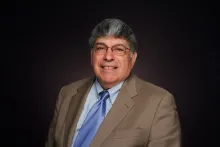
Gary Antion is a long-time minister, having served as a pastor in both the United States and Canada. He is also a certified counselor. Before his retirement in 2015, he was an instructor at Ambassador Bible College, where he had most recently also served as Coordinator.
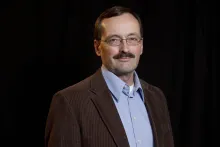
Randy Stiver is pastor of the United Church of God congregation in Rapid City, South Dakota.

